Five Elements Meets Habitus: What Is the Right Movement for Me?
Why do certain workouts leave us feeling stronger, while others seem to drain us even more?
Have you ever finished exercising only to feel heavier in your body, tighter in your muscles, or emotionally depleted instead of renewed? Sometimes the issue is not a lack of discipline, but a mismatch between the movement we choose and the energy our body truly needs. In Eastern philosophy, the body moves through the rhythm of the Five Elements (Wu Xing). In sociology, Pierre Bourdieu described Habitus as the patterns deeply engraved into our bodies through repetition—our embodied way of existing in the world. The way we stand, breathe, walk, carry tension, or respond to stress is not accidental. Over time, these repeated movements become a physical language. They shape not only posture, but perception, emotion, and even destiny. When movement is chosen consciously, exercise becomes more than physical training. It becomes a way to soften rigid patterns, replenish missing energy, and create a new bodily habitus aligned with balance.

Rebuilding the Body Through the Five Elements
If one of the Five Elements is lacking within your Four Pillars (Saju), movement can become a practical and embodied way to restore what is absent.
Lacking Wood (木)
From Rigidity to Flexibility
When Wood energy is deficient, the body often becomes physically stiff. Muscles tighten easily, flexibility decreases, and emotionally there may be resistance to change or difficulty adapting.Recommended Movement
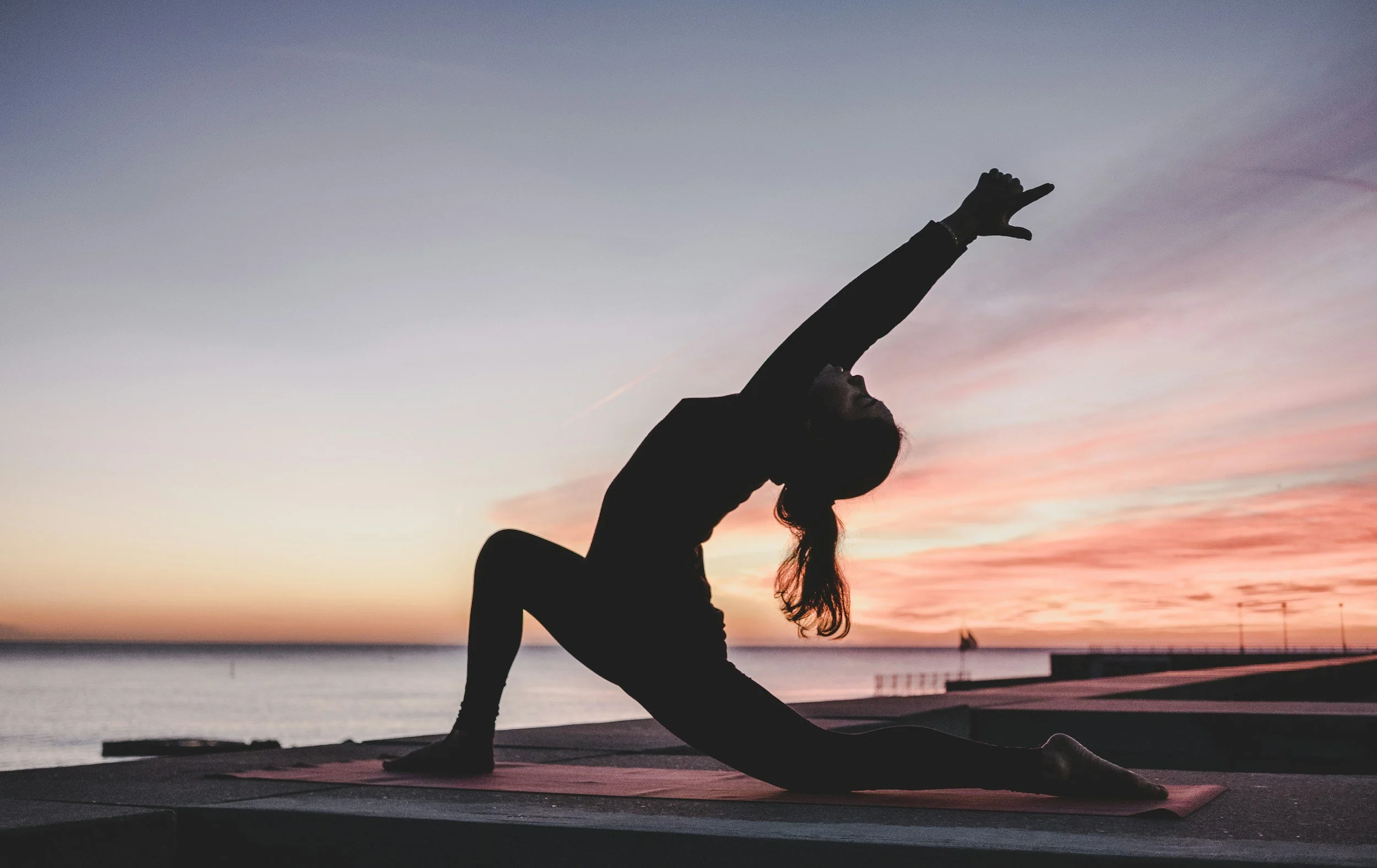
Yoga, Pilates, full-body stretching.Why It Helps
Wood energy governs expansion, growth, and upward movement. Lengthening the body through stretching and controlled movement calms the nervous system and encourages flexibility
not only in the muscles, but in the mind itself. As the body softens, life often begins to feel less obstructed. What once felt rigid slowly becomes capable of bending without breaking—
like a willow moving with the wind.
Lacking Fire (火)
Awakening Dormant Vitality
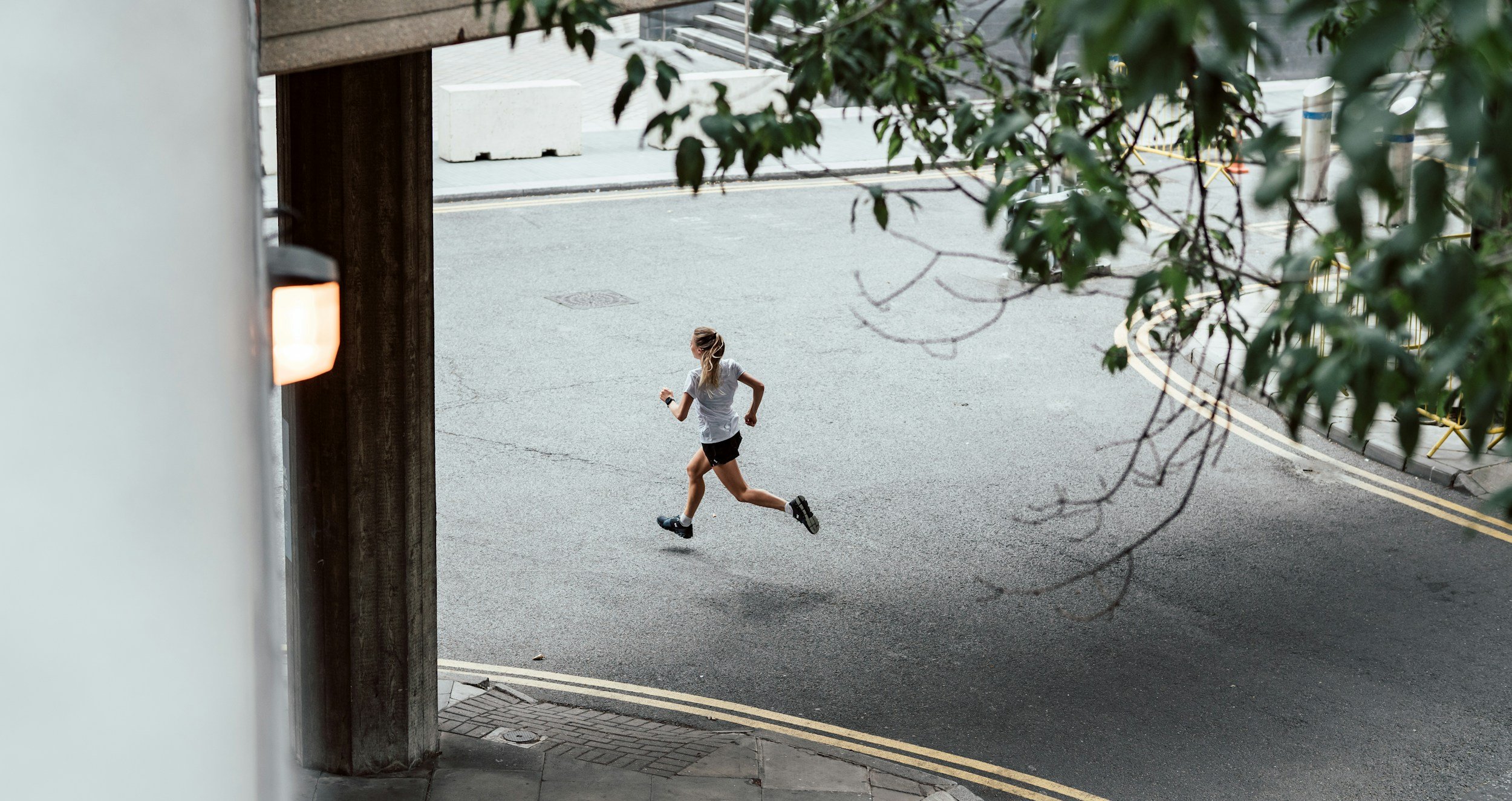
A lack of Fire energy can appear as chronic fatigue, cold extremities, low enthusiasm, or difficulty sustaining momentum. The body may struggle to generate warmth and circulation.Recommended Movement
Running, HIIT, aerobic exercise, endurance training.Why It Helps
Fire energy is activation, circulation, and radiance. Exercises that elevate the heart rate and generate heat awaken stagnant vitality within the body. Through vigorous movement and sweat,
passive energy transforms into momentum. As cardiovascular strength increases, many people notice not only more physical stamina, but a renewed sense of passion and initiative in daily life.
Lacking Earth (土)
Creating Stability Beneath the Body
When Earth energy is weak, the body may feel structurally unstable. Core weakness, lower back discomfort, pelvic imbalance, or a constant sense of being “ungrounded” are common patterns.Recommended Movement
Lower-body strength training, squats, core strengthening exercises.Why It Helps
Earth energy represents grounding, nourishment, and stability. Weight-bearing exercises reconnect the body to gravity and strengthen the physical center. As the lower body becomes stronger,
emotional resilience often follows. The body learns steadiness first, and the mind gradually mirrors it. This is the cultivation of a grounded habitus—remaining stable even during uncertainty.
Lacking Metal (金)
Restoring Structure and Alignment
Metal deficiency often appears through poor posture, shallow breathing, weak respiratory energy, or instability in the joints and skeletal structure. Life itself may begin to feel scattered or lacking order.Recommended Movement
Postural correction, hiking, disciplined strength training.Why It Helps
Metal energy governs structure, refinement, and organization. Movements that emphasize alignment and precision help reorganize both the body and the mind. As posture improves and
the skeleton realigns, clarity often emerges internally as well. Decision-making becomes sharper, boundaries become clearer, and daily life begins to regain a sense of order.
Lacking Water (水)
Returning to Flow
When Water energy is depleted, circulation slows. The body may experience chronic exhaustion, poor recovery, emotional stagnation, or deep-seated tension held over long periods of time.Recommended Movement
Swimming, meditative yoga, gentle walking.Why It Helps
Water energy is flow, depth, and restoration. Gentle repetitive movement allows blocked emotional and physical energy to circulate again. Walking, breathing, and moving through water
help dissolve internal tension gradually rather than forcefully. In this process, the body develops a quieter habitus—one rooted in acceptance, recovery, and emotional steadiness.
Movement as a Way of Rewriting the Self
Pierre Bourdieu believed that Habitus is difficult to change because it lives deeply within the body. Yet he also believed transformation becomes possible through sustained physical practice. This is why movement matters. The right exercise is not simply about appearance, productivity, or discipline. It is about teaching the body a new way to exist. Through repeated movement, the body slowly learns a different rhythm, a different emotional response, a different energetic pattern. Rather than mourning what feels lacking within yourself, you can begin embodying the energy you wish to cultivate. The body remembers what it repeatedly practices.
A Small Practice
for Today
The moment you begin moving in alignment with your lacking element,
your body has already started rewriting its destiny.