The Five Elements in Bibimbap and Hanok: The Balance Reflected in the Rainbow Diet
The Five Elements as a Language of Balance
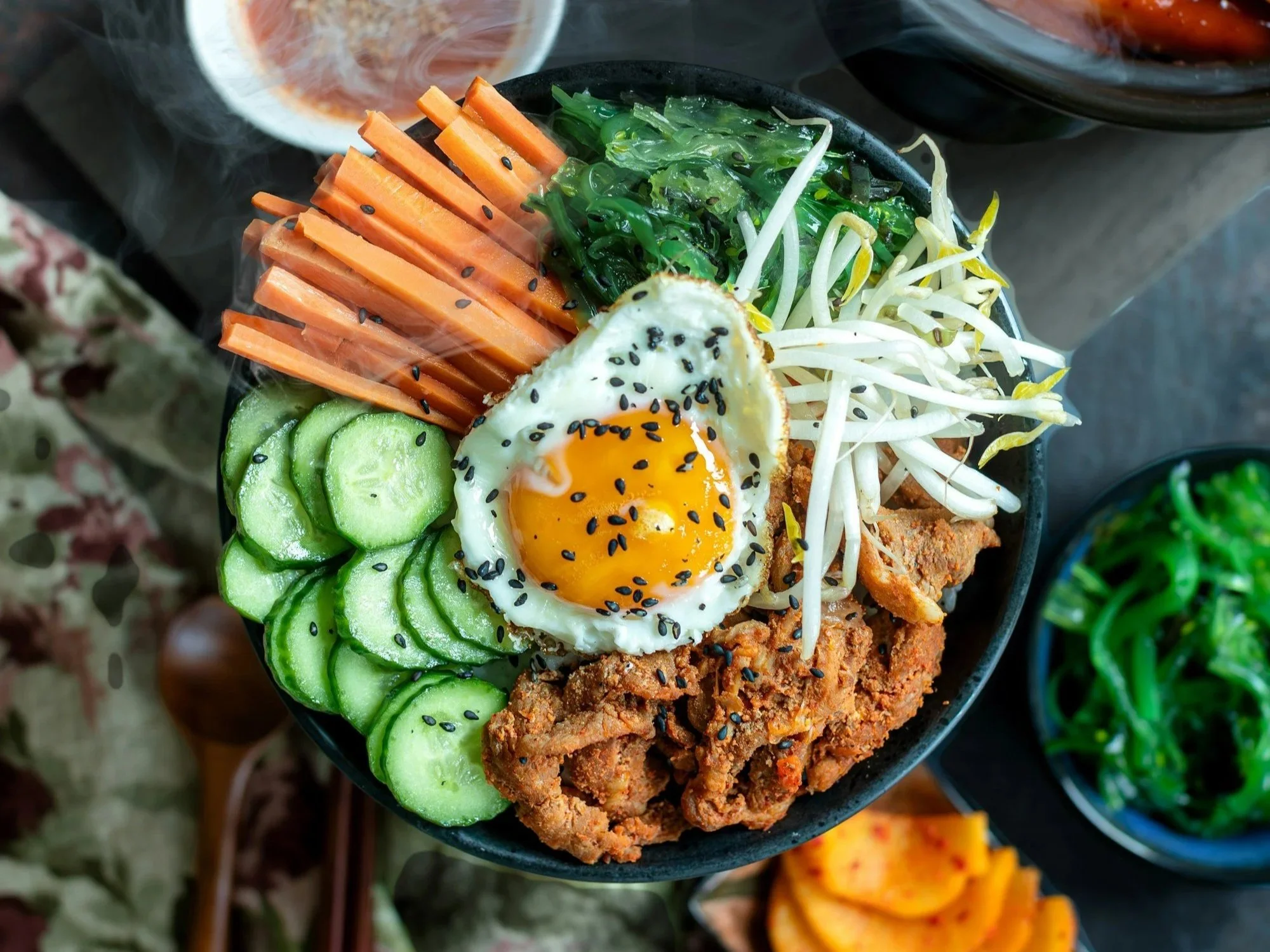
The Five Elements — Wood, Fire, Earth, Metal, and Water — are often understood as a system of classification. Yet in traditional Eastern philosophy, they were never meant to function as rigid categories. They are a language of balance. The Five Elements describe the movements of nature, the relationships between forces, and the constant process of adjustment required to maintain harmony. This philosophy extends beyond medicine or theory into the way we eat, live, build, and relate to our environment. Two of the most beautiful expressions of this philosophy can be found in everyday Korean life:
Bibimbap and hanok.
Food and home.
What we consume and the spaces we inhabit.
Both quietly reflect the same underlying principle: health emerges through balance, not excess.
The Five Colors: Visualizing Harmony
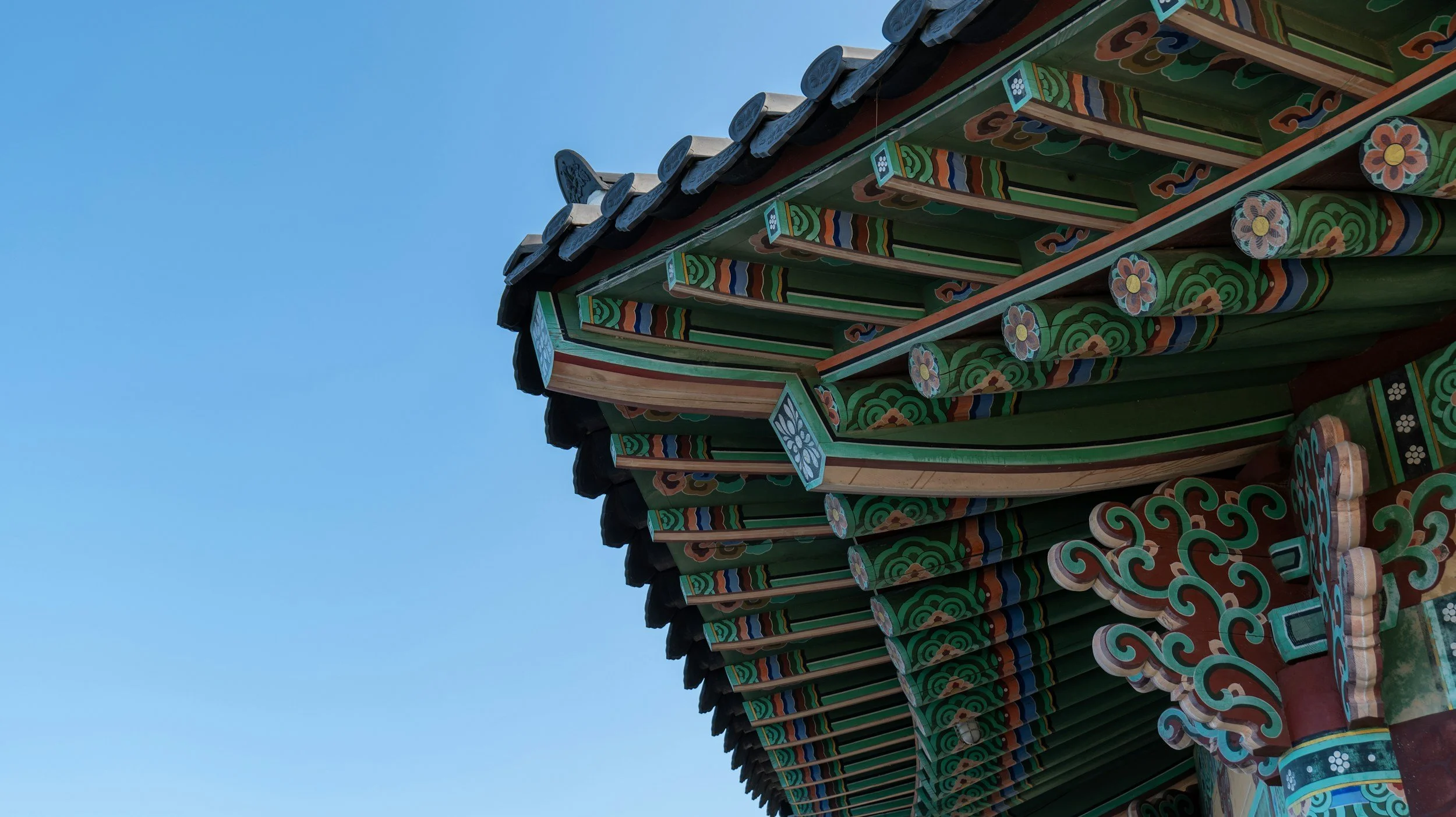
If the Five Elements describe energetic movement, the Five Directional Colors (Obangsaek) give those movements visual form. Traditionally, the colors are:
blue/green
red
yellow
white
black
These colors were not chosen simply for aesthetics. They were connected to direction, season, elemental energy, and the maintenance of harmony within life. Color itself became a sensory language of balance. Long before modern nutrition discussed colorful eating patterns, traditional philosophy already understood that visual diversity often reflected energetic diversity as well.
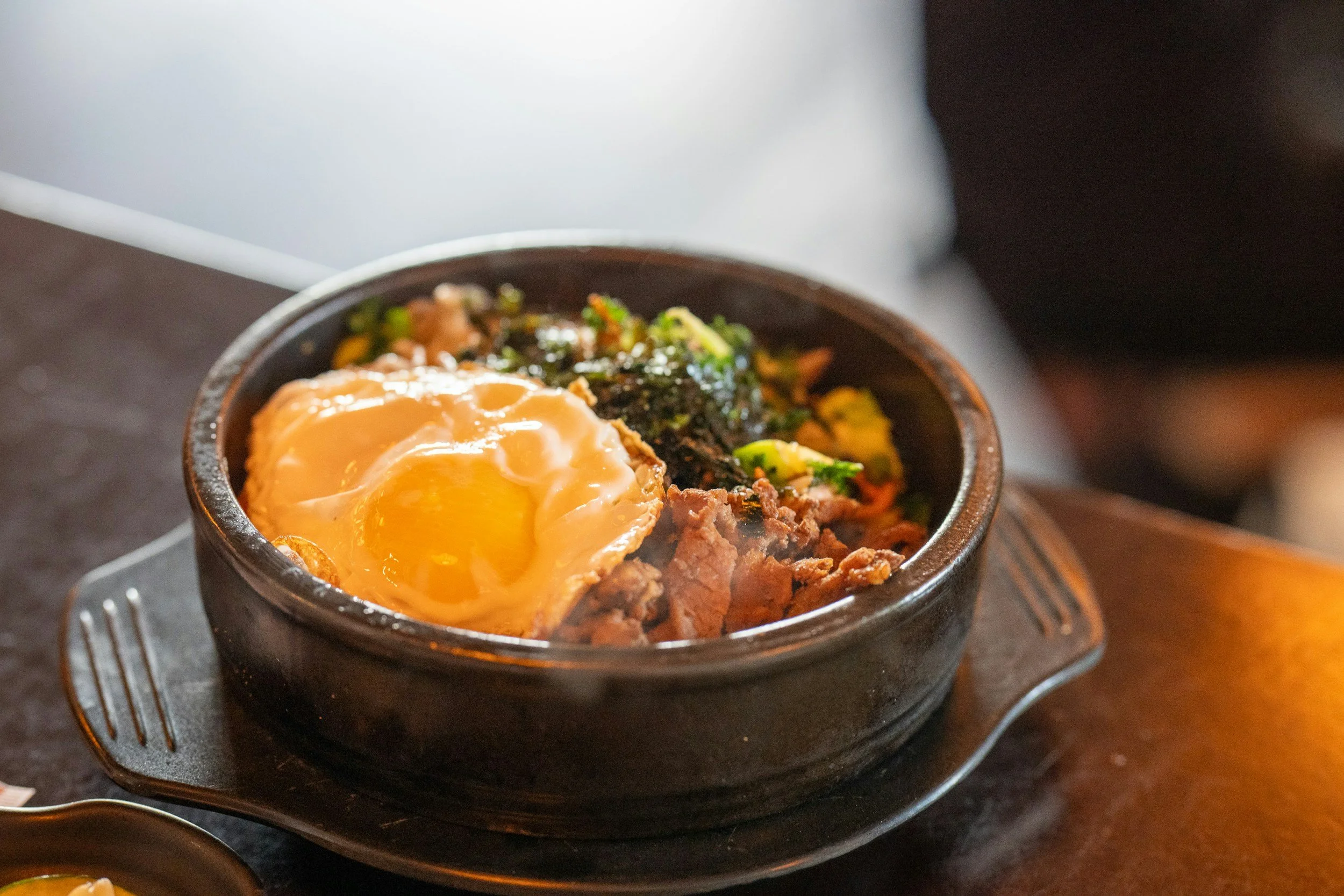
Bibimbap: A Bowl of Coexistence
Bibimbap is far more than mixed rice with vegetables. It is a structure of harmony. Different ingredients, colors, textures, and flavors exist together within a single bowl. Through the act of mixing, separate elements move toward unity while still retaining their individual character.
Seen through the lens of the Five Colors, bibimbap naturally mirrors the philosophy of balance:
Green: spinach, cucumber, water parsley
Red: gochujang, carrot
Yellow: egg yolk, pumpkin
White: rice, bean sprouts
Black: mushrooms, seaweed
The significance is not that every bowl must perfectly contain all five colors. Rather, traditional food culture intuitively understood something profound: A visually balanced meal often supports a more balanced body.Even the final act of mixing carries symbolic meaning. No single ingredient dominates the bowl. Each contributes something different, yet all coexist together. In this sense, bibimbap becomes a small ecosystem — a reflection of regulation, interaction, and mutual support within one meal.
The Rainbow Diet and Modern Nutrition
Modern nutritional science now promotes what is often called the “rainbow diet,” encouraging people to eat a wide range of colorful fruits and vegetables. Why color?
Because plant pigments contain different phytochemicals associated with various health-supporting properties:
Red foods contain lycopene
Purple foods contain anthocyanins
Green foods contain chlorophyll and polyphenols
Orange and yellow foods contain beta-carotene
White foods contain compounds such as allicin
The broader the color spectrum, the wider the nutritional diversity. What modern science explains through biochemistry, traditional philosophy once expressed symbolically. Both ultimately arrive at
the same wisdom:
Do not remain in only one color.
Health emerges through diversity and balance.
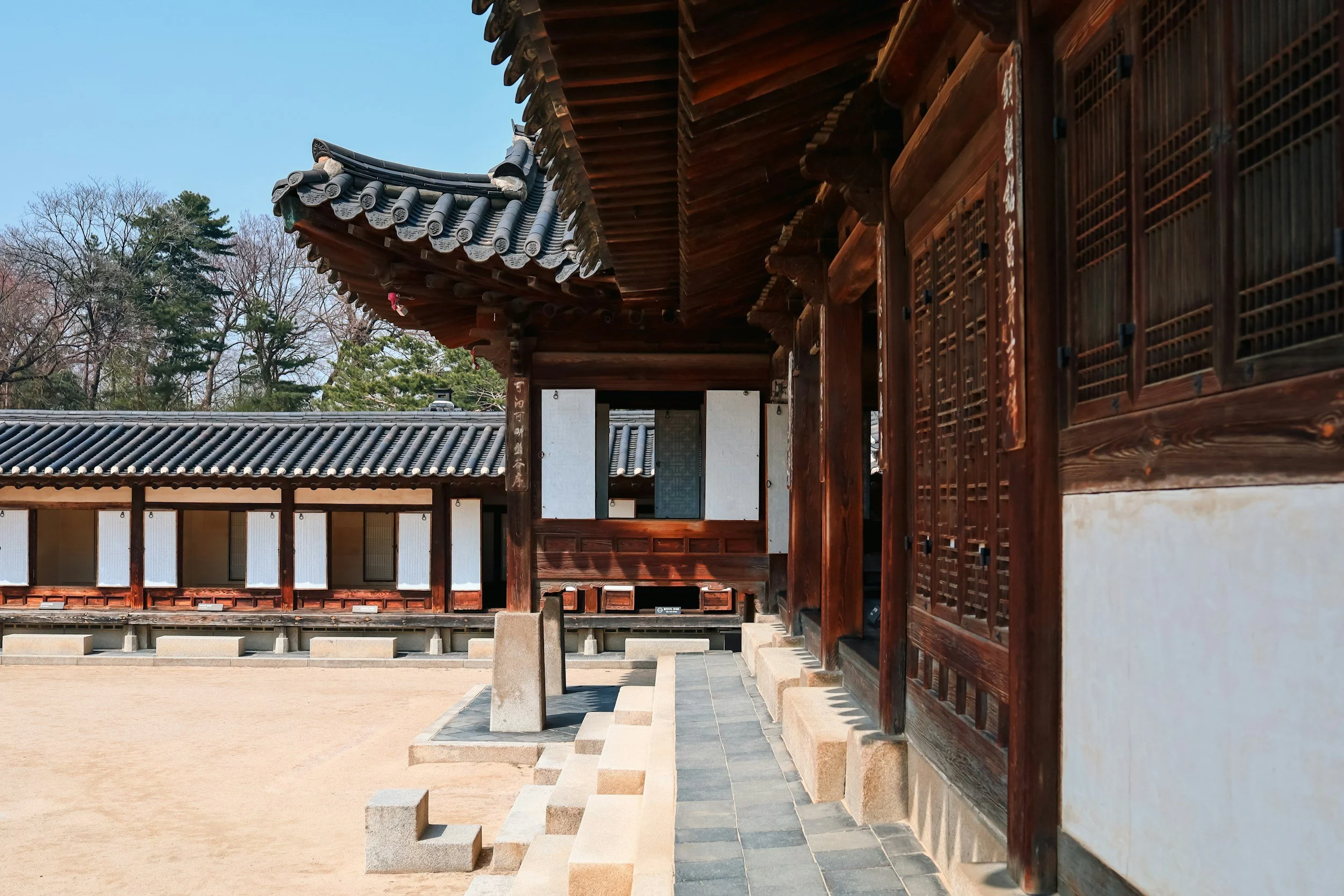
Hanok: The Architecture of Flow
If bibimbap represents balance on the table, hanok expresses balance through space. Traditional Korean homes were designed not simply for appearance, but for harmony between humans and nature.
Orientation and Light
Hanok architecture carefully considers sunlight, wind, and seasonal movement. Spaces are designed to avoid excessive heat,
dampness, darkness, or stagnation. The goal is not excess, but equilibrium.
The Courtyard and Circulation
Open courtyards allow air and light to move freely through the home.In traditional philosophy, stagnation creates imbalance.
Movement creates vitality. When space breathes properly, the body and mind often feel calmer as well.
Natural Materials and Elemental Balance
Wood, stone, earth, water, and fire coexist naturally within hanok architecture. No single element overwhelms the others.
Instead, each supports and regulates the whole. In many ways, a hanok becomes a spatial version of the rainbow diet —
not emphasizing one force excessively, but allowing complementary energies to exist together in harmony.
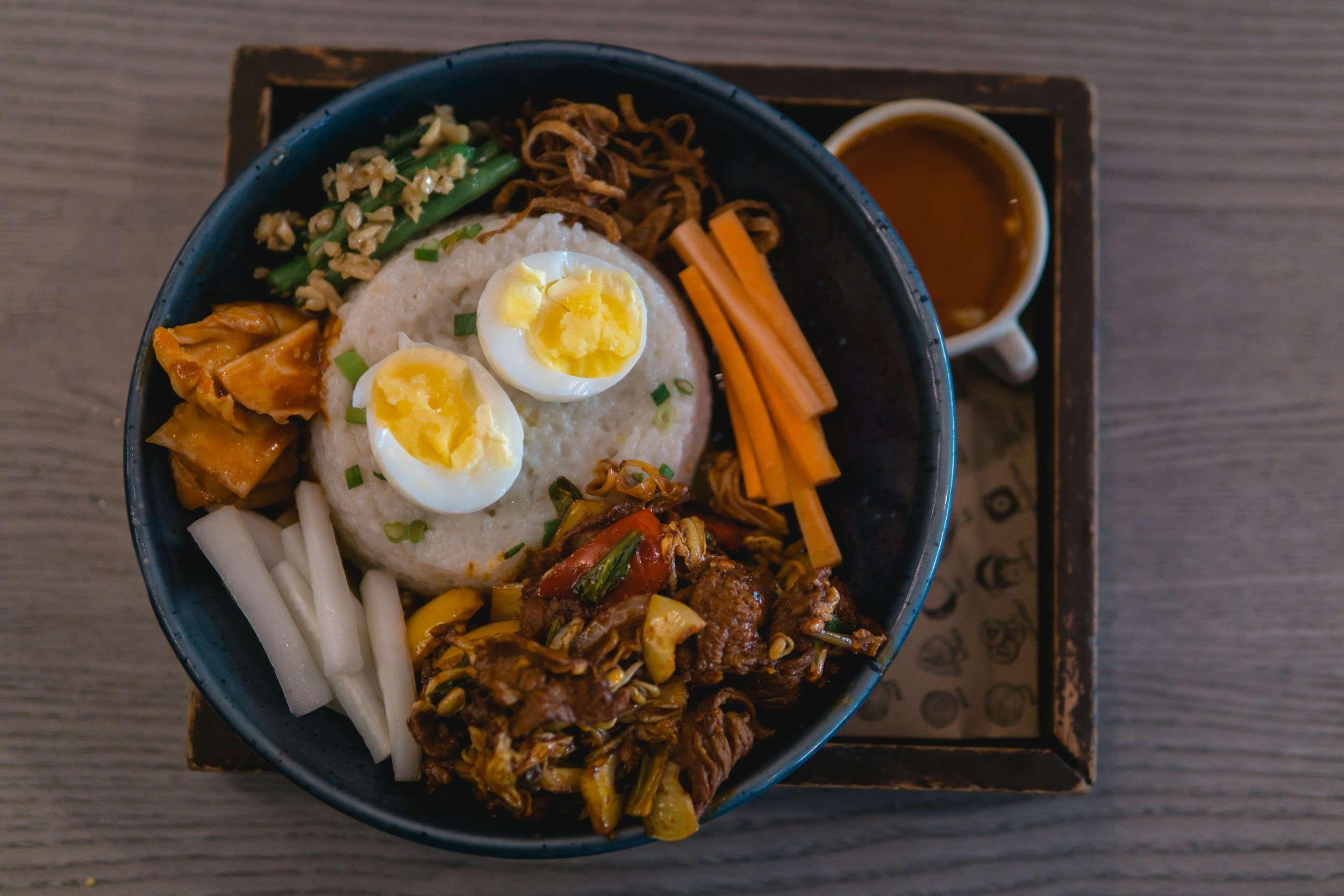
The Shared Wisdom of Bibimbap, the Rainbow Diet, and Hanok
A bowl of bibimbap, a rainbow-colored plate, and a hanok house may appear completely different on the surface. Yet all three express the same principle:
Do not lean too heavily in one direction.
Do not block the flow.
Reduce excess and support deficiency.
The Five Elements are not rigid rules to follow perfectly. They are reflective questions that help us observe imbalance with greater awareness.
Applying This Philosophy to Everyday Life
Sometimes balance begins with very small observations:
Does my plate contain enough diversity?
Am I relying too heavily on one type of food or routine?
Does my space allow light, rest, and circulation?
Is there something my life currently needs more of — or less of?
Balance is never static. It is an ongoing process of adjustment, awareness, and return.
A Reflection
on Harmony
A bowl of bibimbap, a rainbow of foods, and a traditional hanok all quietly carry
the same message: Health emerges from harmony. The philosophy of the Five
Elements and the Five Colors may be ancient, yet its sensibility remains deeply
relevant today. We still eat. We still dwell. And we are still searching for balance.
