Warming vs Cooling Foods: Traditional Asian Food Therapy Meets Modern Nutrition
Understanding Food Beyond Calories
In Traditional Chinese Medicine (TCM) and many Asian healing traditions, food is understood not only through nutrients and calories, but also through energetic qualities.
Some foods are considered warming, helping to stimulate circulation, digestion, and vitality. Others are considered cooling, helping to calm inflammation, release excess heat, and restore balance within the body.
Rather than viewing food simply as “healthy” or “unhealthy,” traditional food therapy asks a deeper question:
What does the body need right now?
The warming or cooling nature of food is influenced by many factors, including how it is grown, prepared, cooked, and consumed. Even the same ingredient may affect the body differently depending on the season, constitution, or method of preparation.
The Energetic Direction of Food
Cooling foods tend to direct energy inward and downward. They calm heat, replenish fluids, and soothe inflammation or overstimulation within the body.
Warming foods, by contrast, move energy upward and outward. They stimulate circulation, strengthen digestion, and generate internal warmth.
Within the philosophy of the Five Elements, warming foods are often especially supportive during colder seasons or periods of depletion, while cooling foods can help regulate excess heat, inflammation, or overstimulation.
What Influences Whether a Food Is Warming or Cooling?
Traditional food therapy considers several factors when understanding the energetic nature of food.
Generally:
Slow-growing plants are considered more warming than fast-growing plants.
Foods grown during summer are often warmer in nature than winter-grown foods.
Raw foods tend to be more cooling than cooked foods.
Longer cooking times and higher heat create a more warming effect.
Cold foods and iced drinks increase cooling within the body.
Thorough chewing generates warmth and supports digestion.
Red, orange, and yellow foods are often considered warming, while green and highly water-rich foods tend to be more cooling.
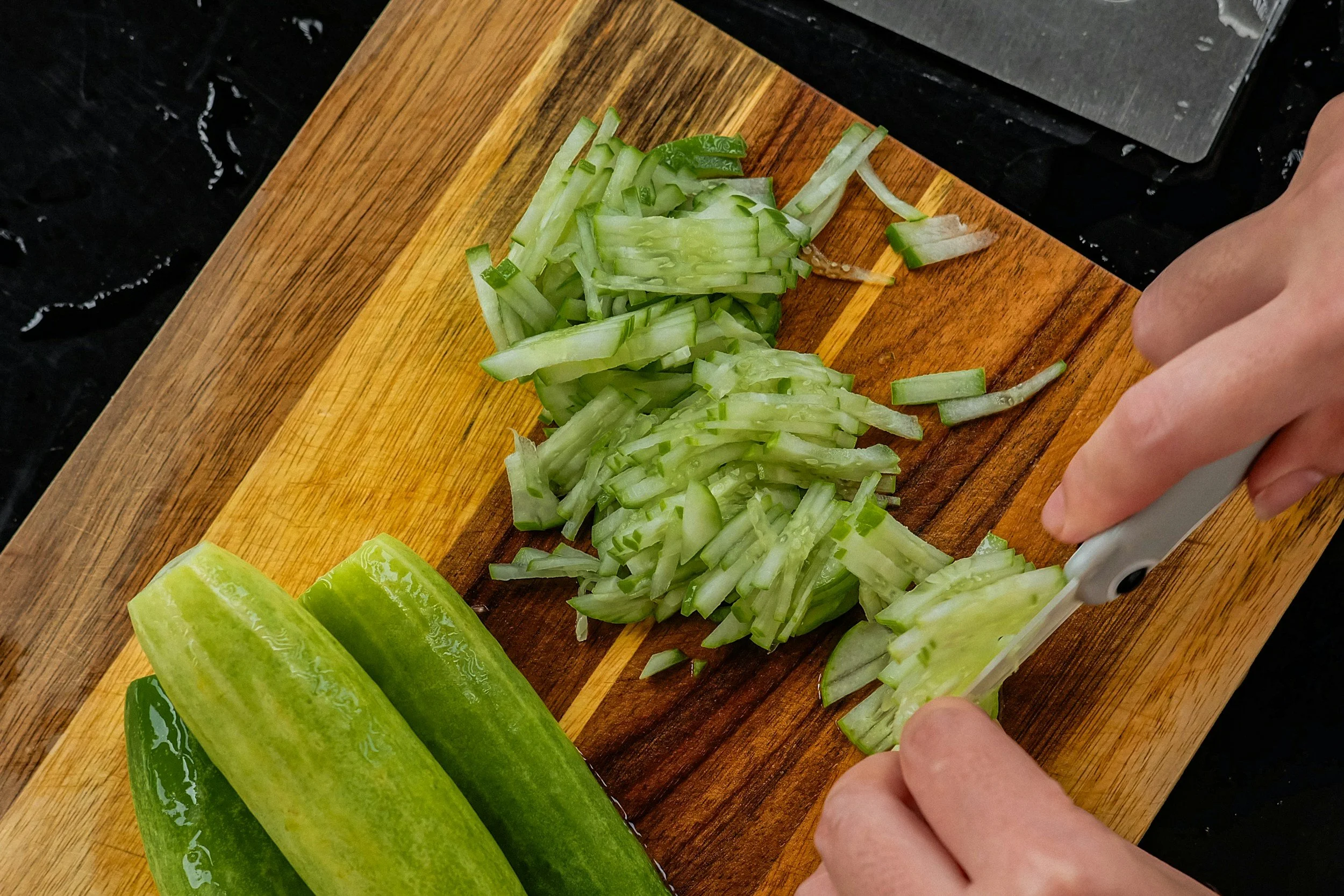
This is why the same ingredient can feel very different depending on how it is prepared. A raw cucumber salad cools the body differently from a warm ginger stew.
Warming Foods and Their Role in the Body
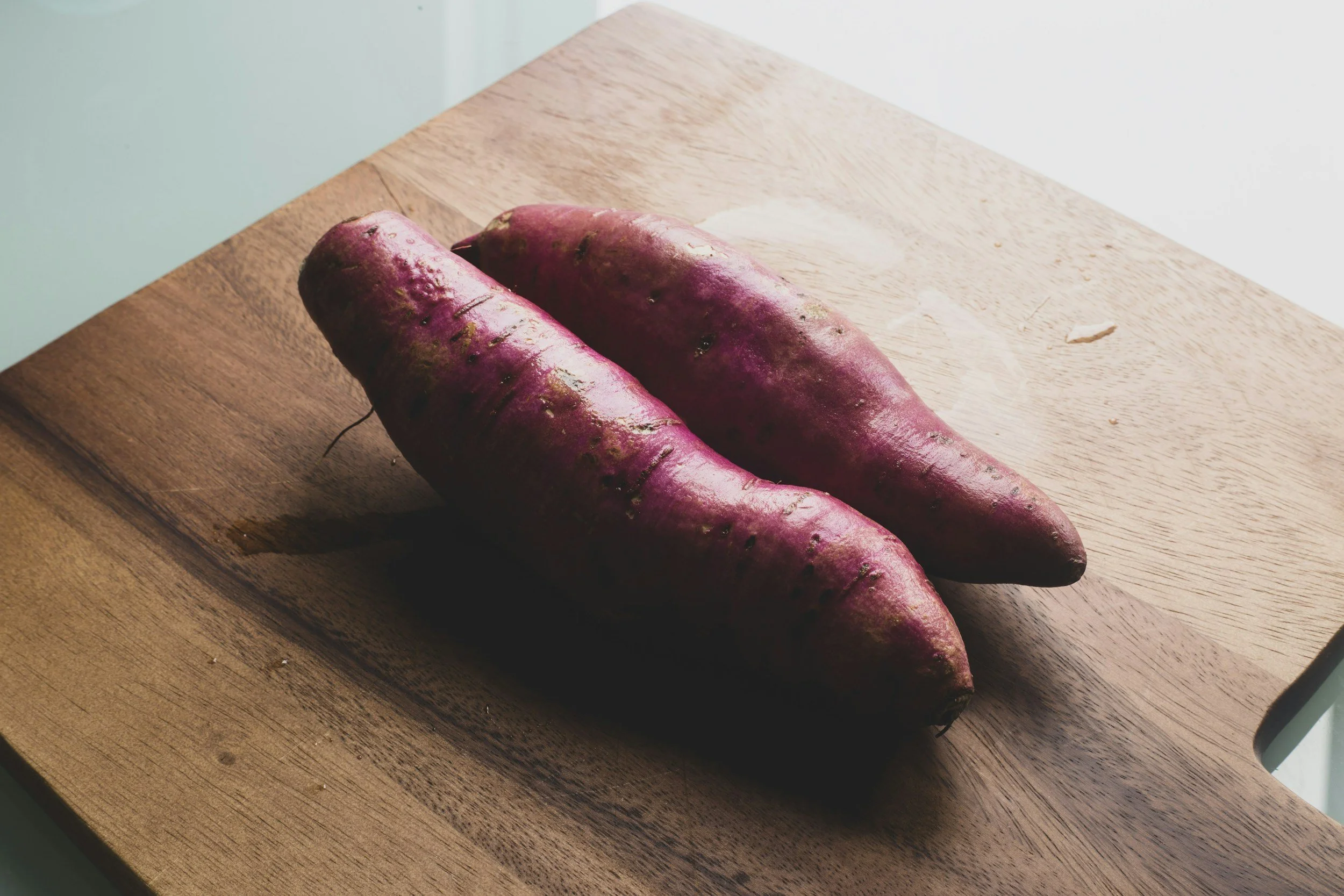
When categorizing foods into warm and cold properties, there are numerous categories. If the properties of a food are unknown, they can be roughly distinguished by color. Foods with warm properties often have a red or black appearance. Conversely, foods with cold properties tend to be green and have a high moisture content. For instance, sweet potatoes, tomatoes, and ginger have warm properties, while watermelon, cucumber, and melon have cold properties.
Foods Traditionally Used to Warm the Body
Apples
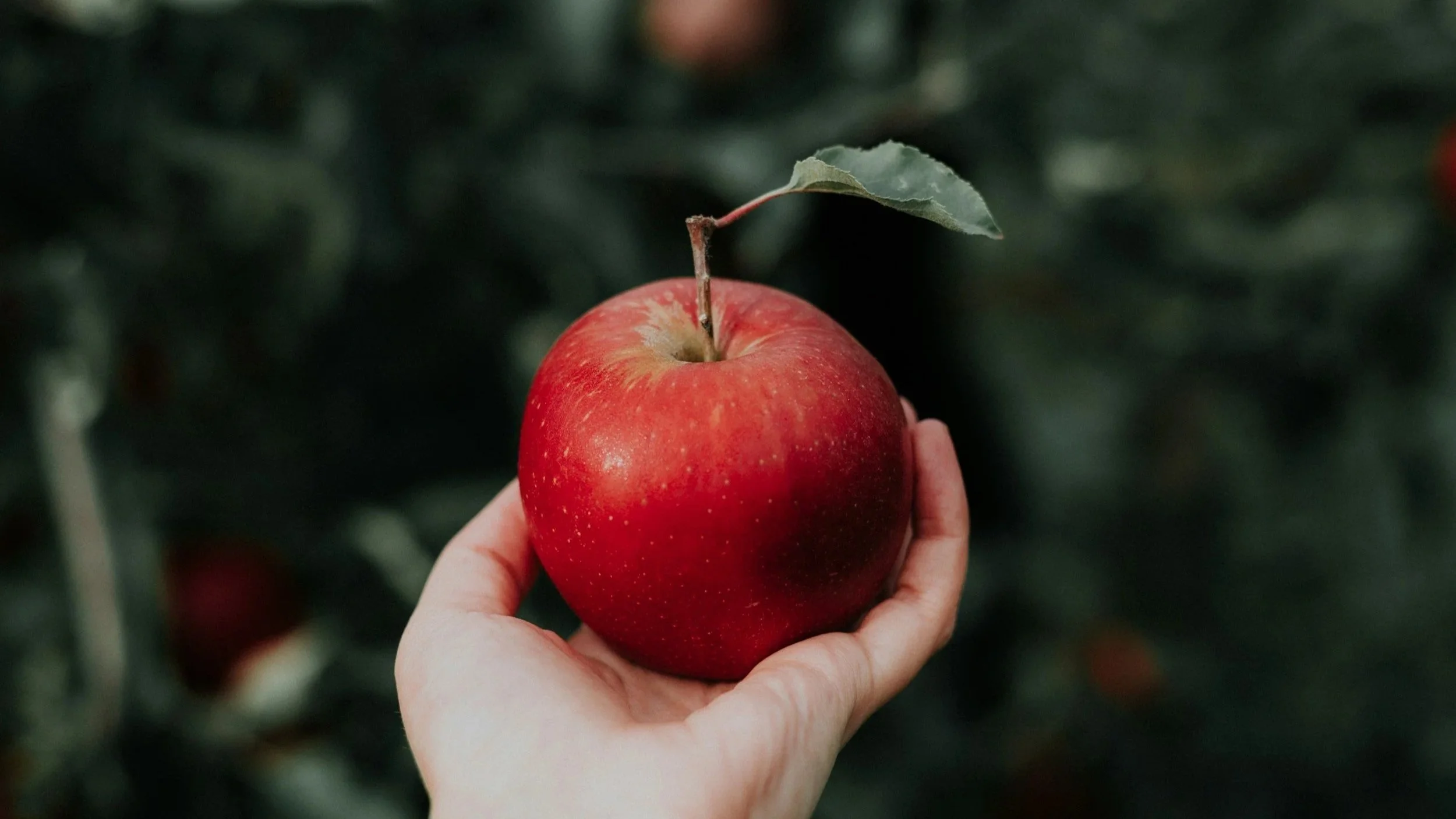
Apples are rich in vitamins, natural sugars, and pectin, helping support digestion
and relieve fatigue. In traditional food therapy, they are often considered gently
warming and nourishing, especially when eaten cooked or baked.
Ginseng
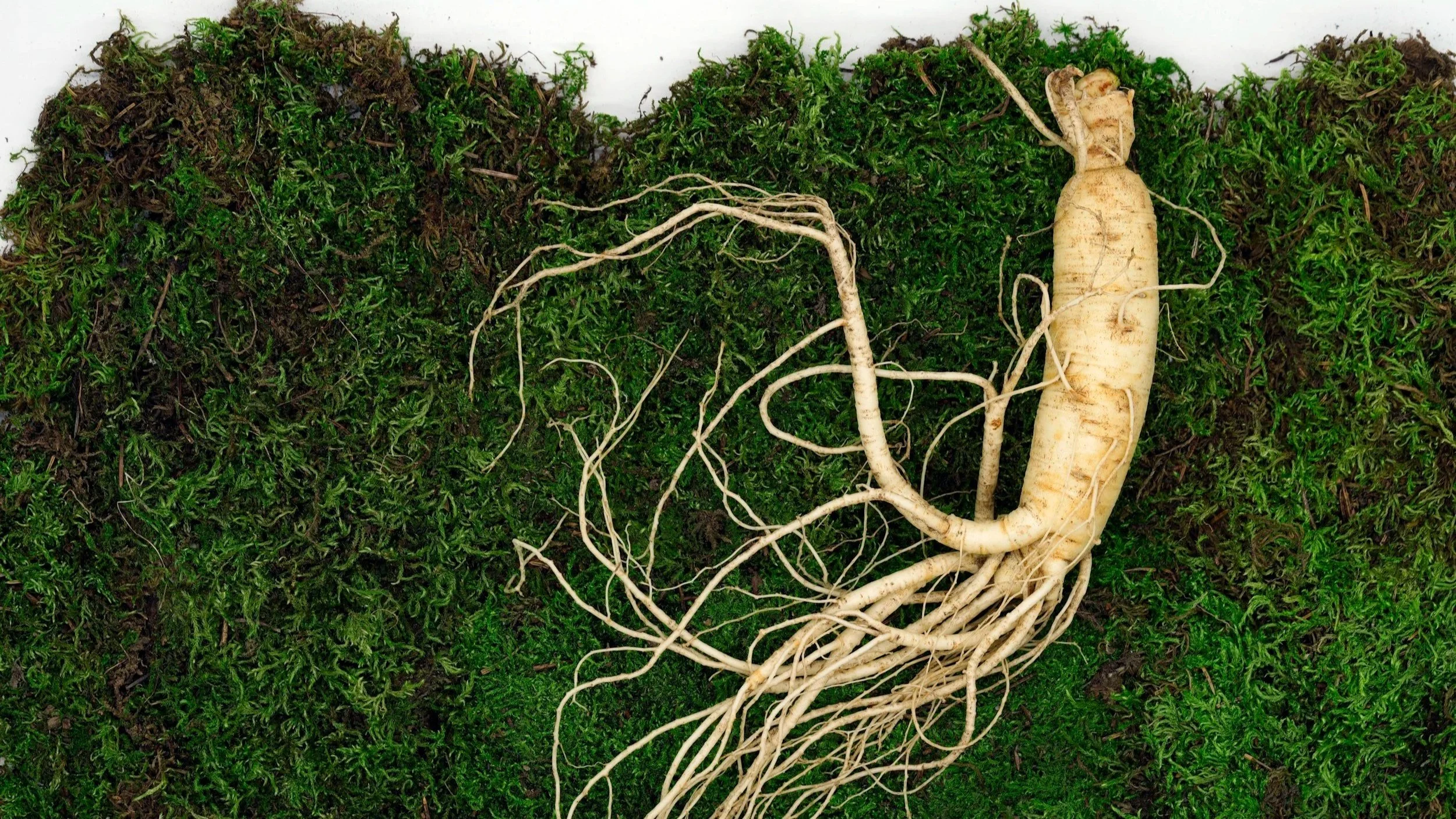
Ginseng has long been valued for supporting energy, circulation, and recovery
from exhaustion. Often consumed as tea, it is traditionally used to strengthen
vitality and restore depleted energy.

Honey
Honey is considered warming and restorative, especially for fatigue and
weakened digestion. Because its natural sugars are easily absorbed, it provides
quick energy while supporting overall warmth within the body.
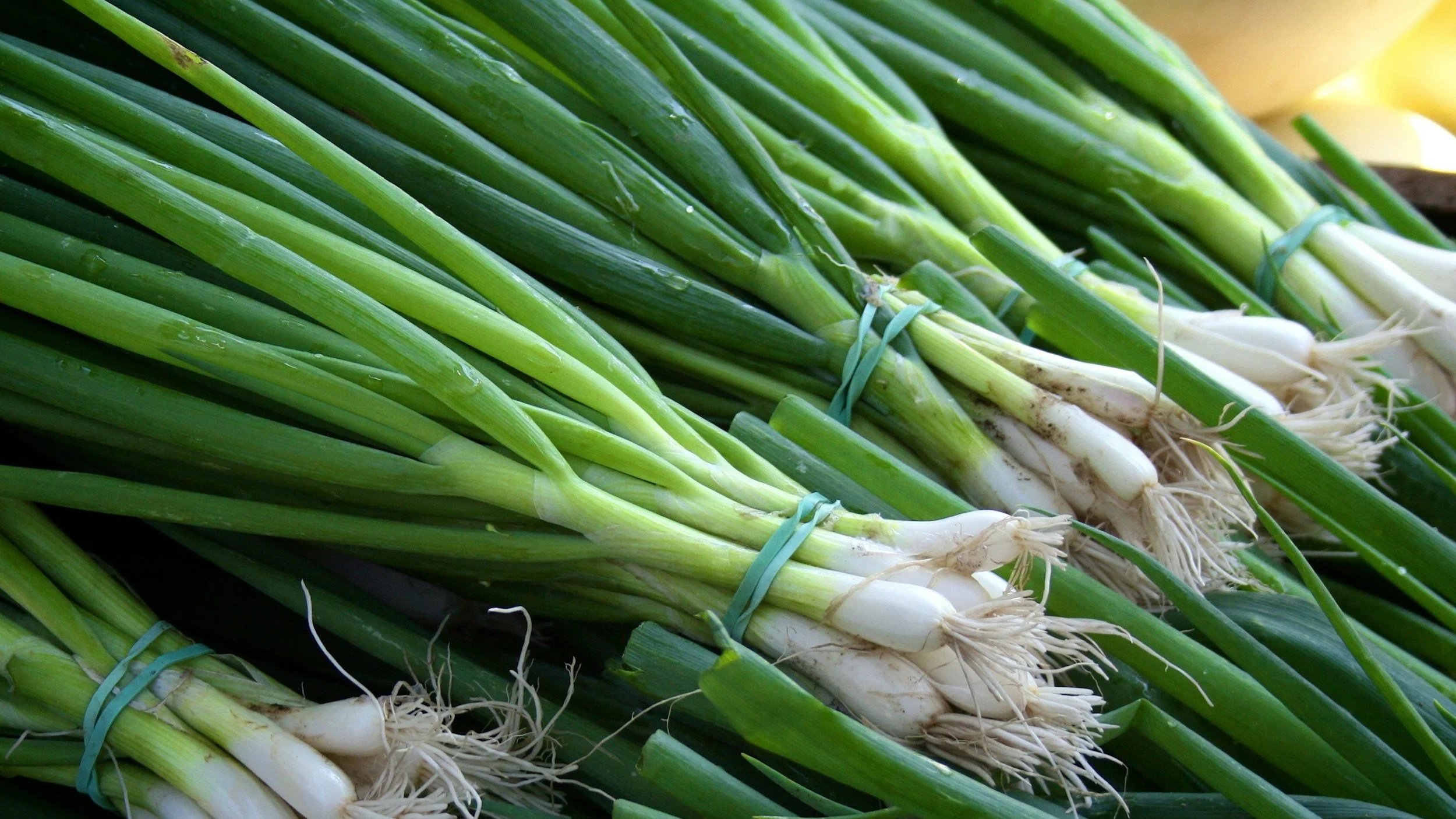
Spring Onion
The white root portion of spring onions is traditionally regarded as warming
and circulation-boosting. It is often used in soups and broths during colder seasons
to support the body’s defensive energy.
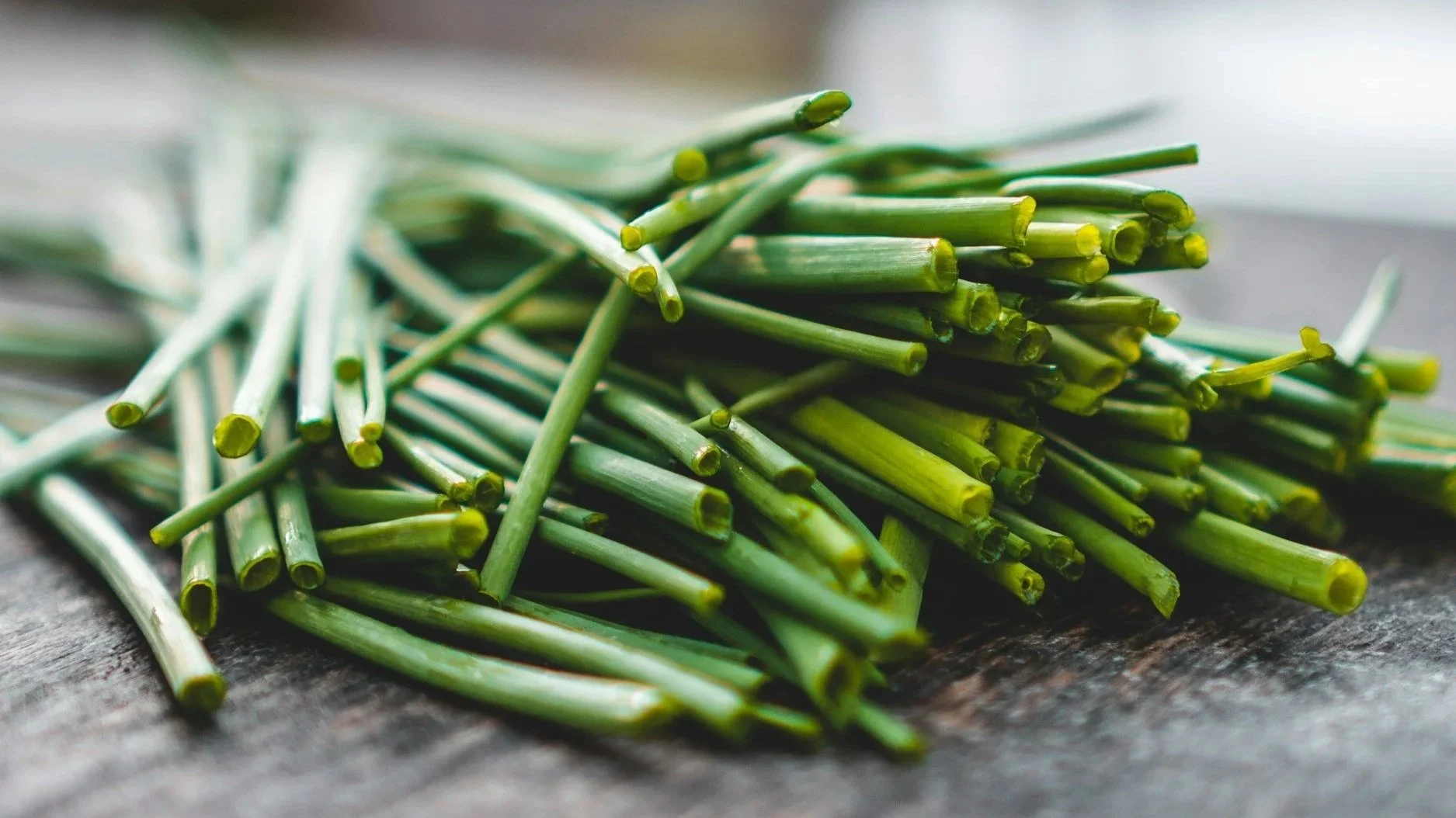
Chives
Chives are believed to strengthen digestion and warm the lower body.
They are commonly recommended for individuals who feel cold easily
or experience sluggish circulation.
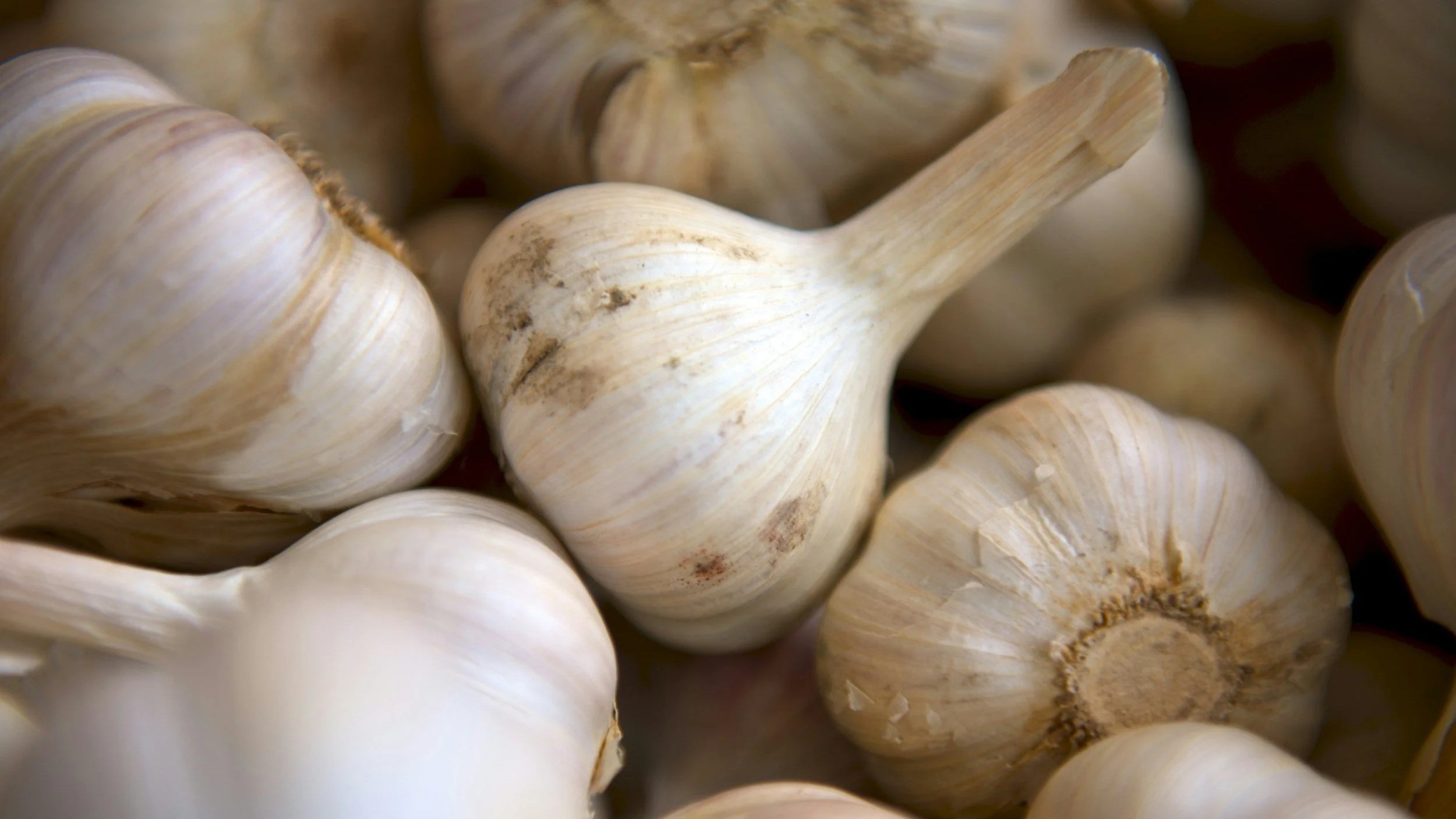
Garlic
Garlic stimulates circulation and supports immune function. In traditional
practice, garlic preserved in honey is often used during colder months to
help maintain warmth and resilience.
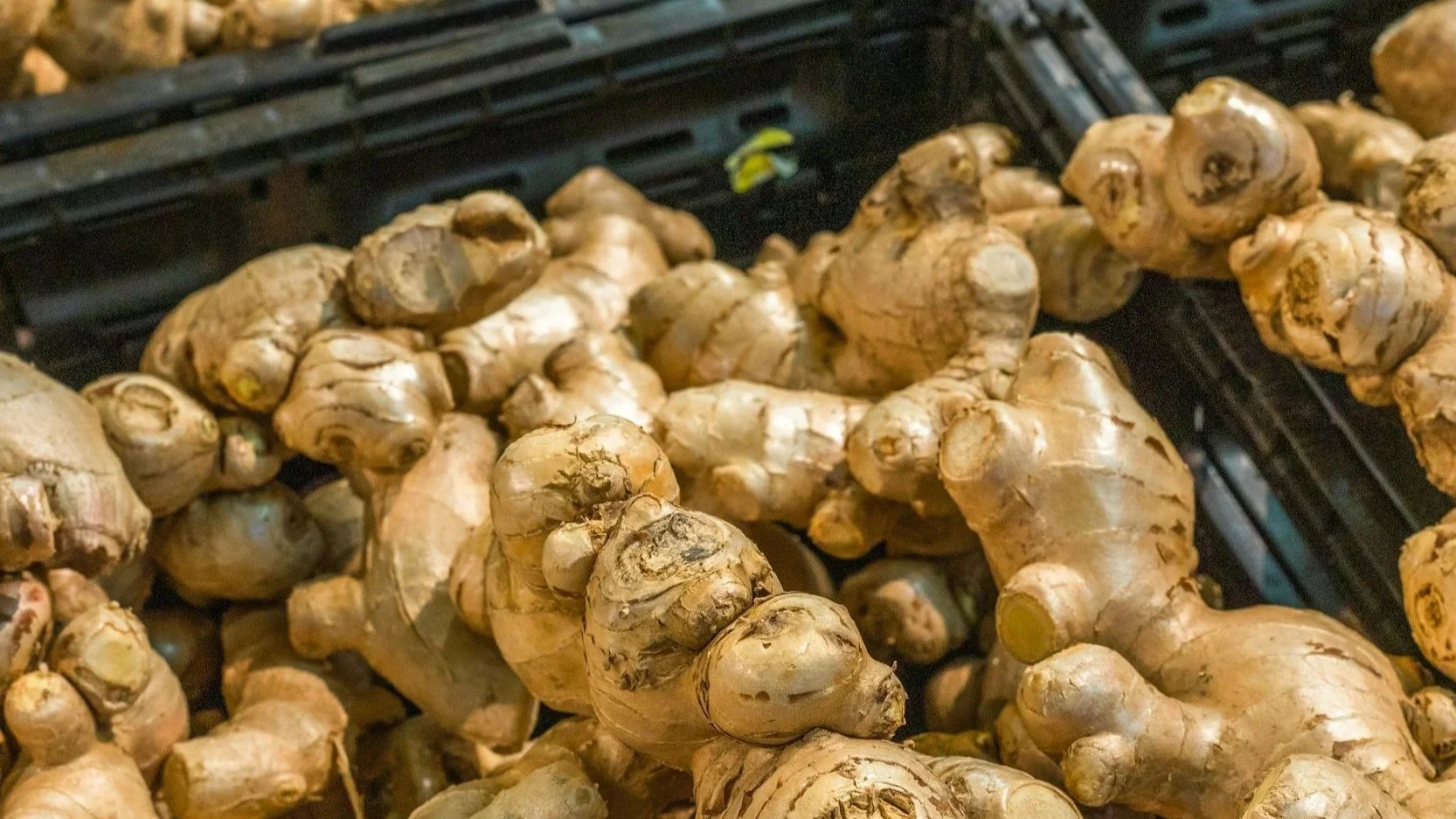
Ginger
Ginger is one of the most well-known warming ingredients in Asian medicine.
It promotes circulation, warms digestion, and helps stimulate appetite while
supporting the body during cold conditions.
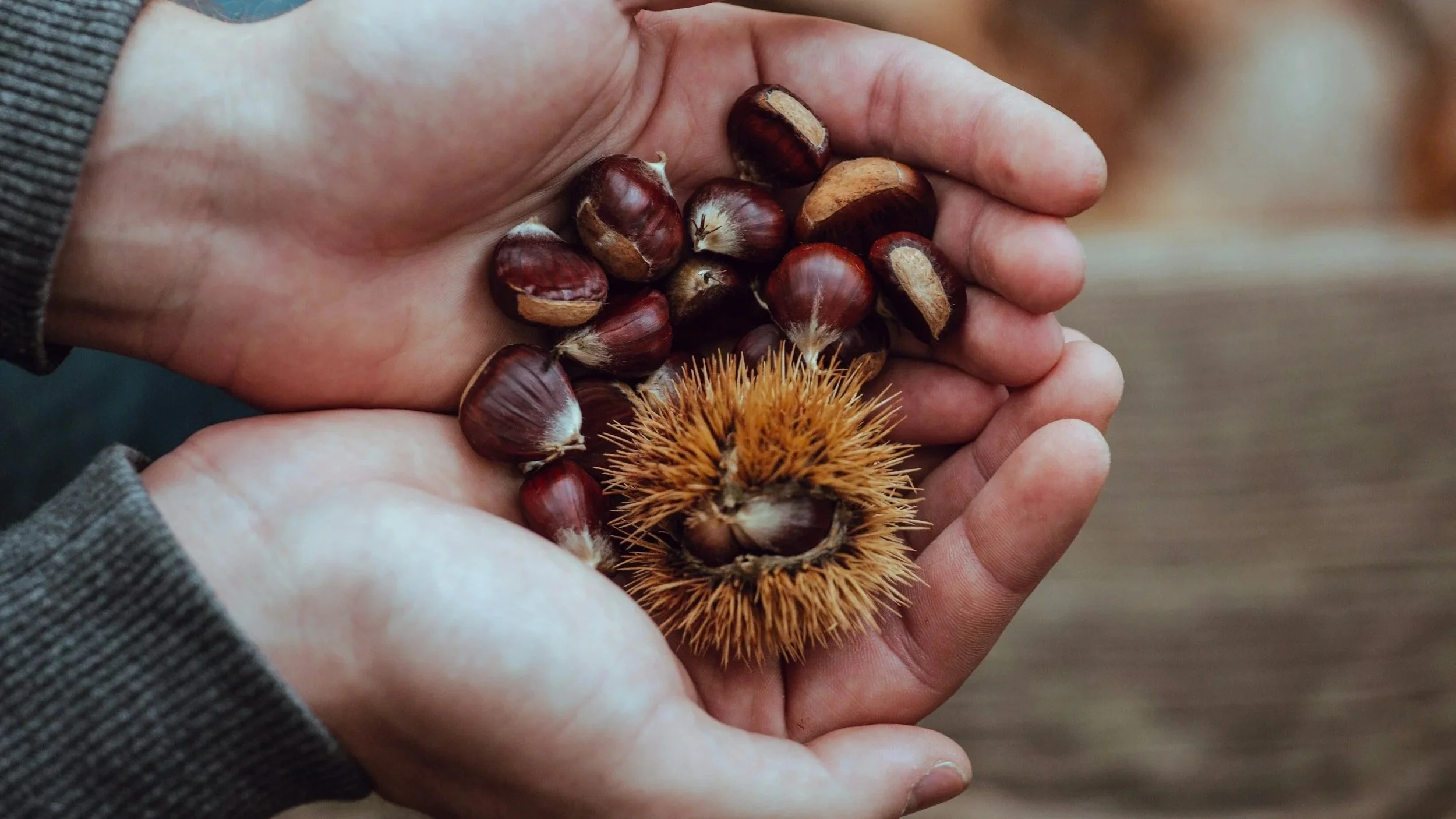
Chestnuts
Chestnuts nourish the digestive system while supporting circulation and
energy. Their naturally grounding quality makes them especially comforting
during autumn and winter.
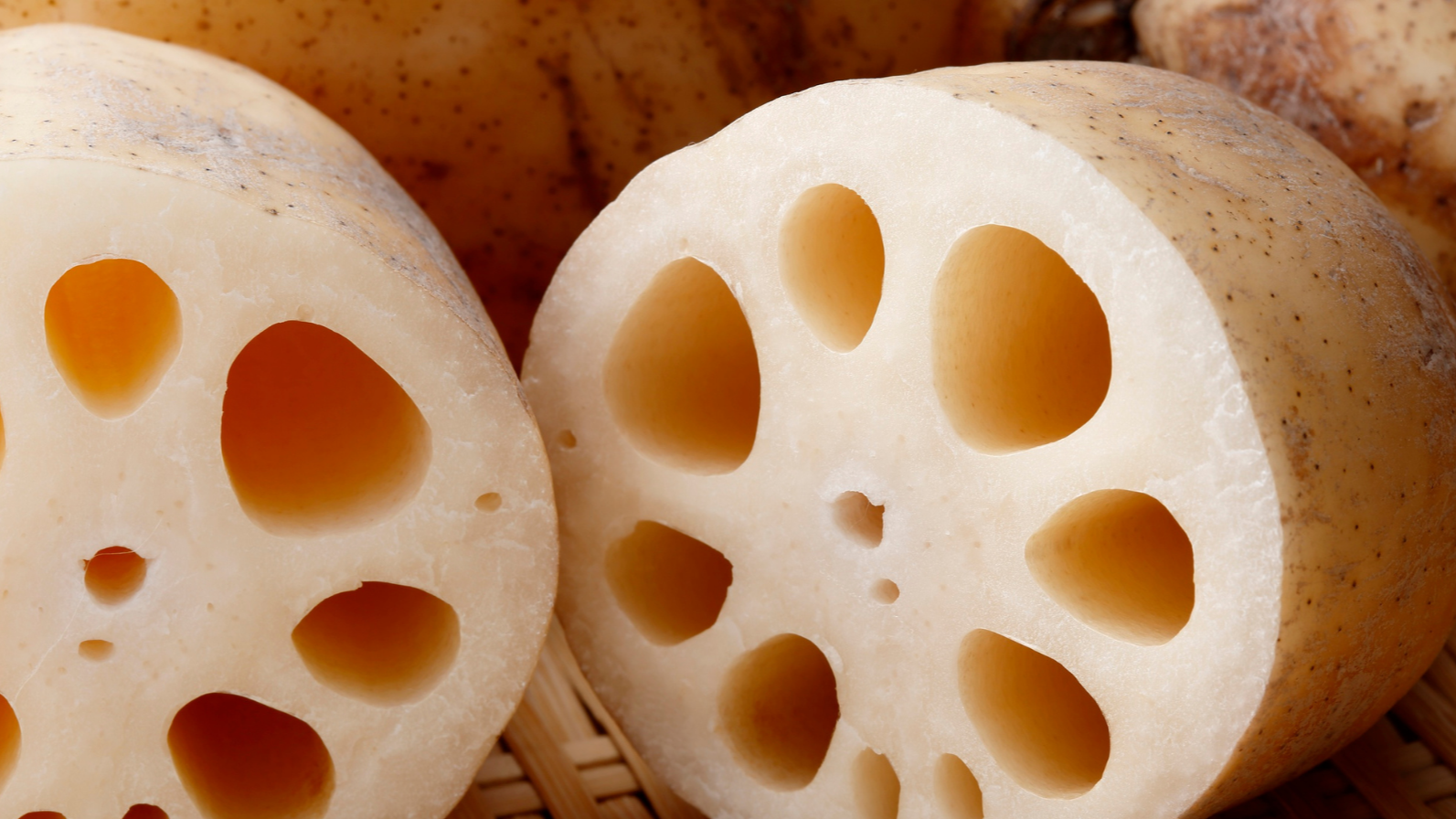
Lotus Root
Lotus root supports digestion and circulation while also providing
cooling and restorative qualities. In many traditions, it is valued for
helping maintain balance within the digestive system.

Pumpkin
Pumpkin is considered deeply nourishing and warming for the stomach.
Rich in fiber and carotenoids, it supports digestion while offering gentle
comfort during colder seasons.
Cooling Foods and Their Role in the Body
Every food has its unique subtle characteristics. Just like humans, food can be broadly categorized as either cold-natured or warm-natured. In our previous discussion, we learned about foods that have a warming effect on the body. While many people believe that being warm equates to being healthy, it's important to be mindful of excessively high body temperature. We should also pay attention to any signs of inflammation in the body or imbalances in the hormone system, including the thyroid gland. When the body has an excess of heat but needs to maintain an appropriate body temperature, it becomes necessary to regulate it with foods that have a cold nature. Foods with a cold nature primarily have antipyretic effects, alleviate inflammation symptoms, and aid in relieving indigestion. Consuming foods that are suitable for your own constitution helps maintain a balanced nutrition and greatly contributes to your overall health.
So, if you suddenly feel cold or if your body is filled with heat, pay close attention to the foods that will be introduced from now on.
Foods Traditionally Used to Cool the Body
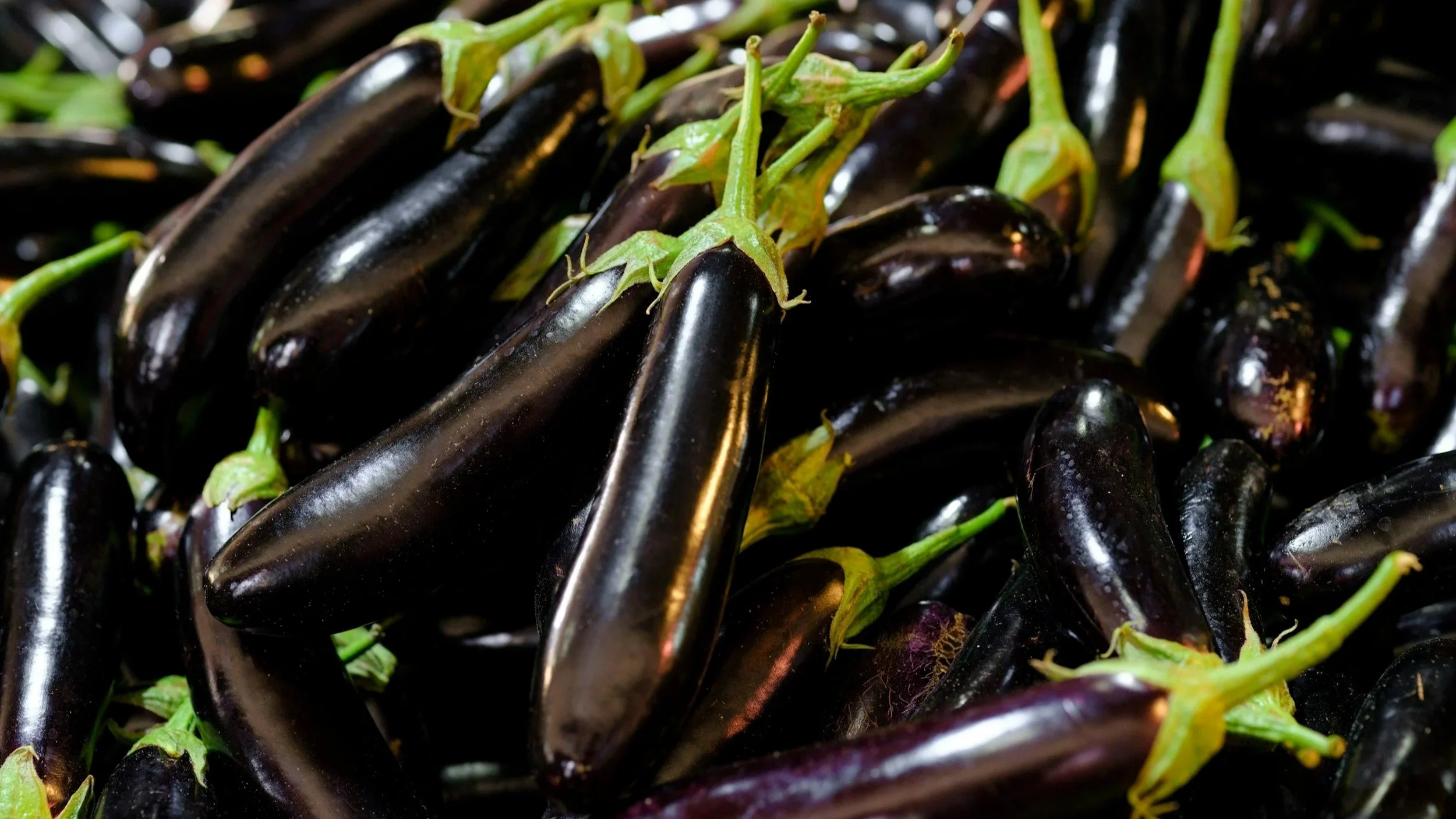
Eggplant
Eggplant is considered cooling and anti-inflammatory. It may help reduce internal heat while supporting circulation and digestive health.
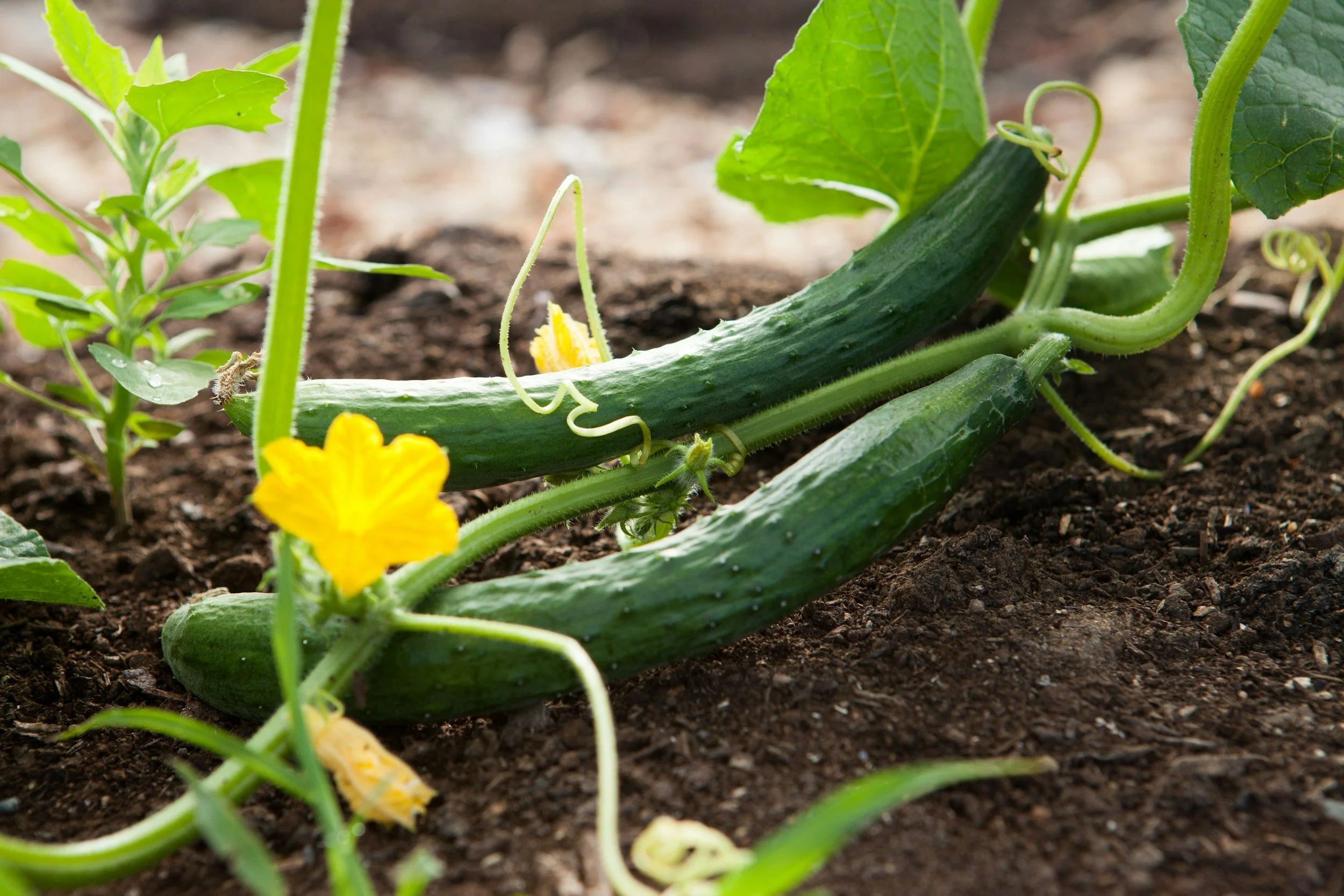
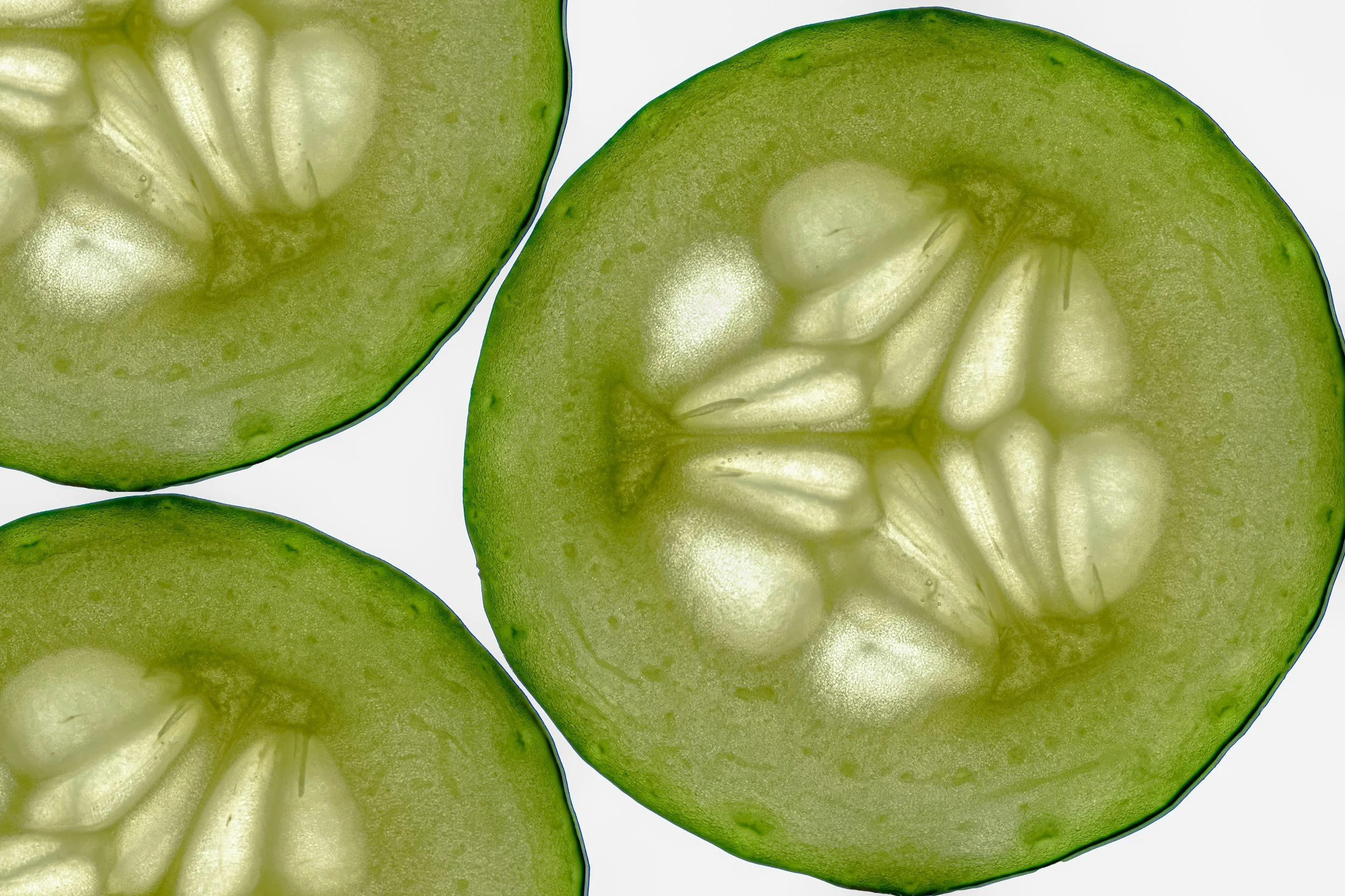
Cucumber
With its high water content, cucumber helps replenish fluids and cool the body.
It is commonly used to reduce heat, thirst, and puffiness.
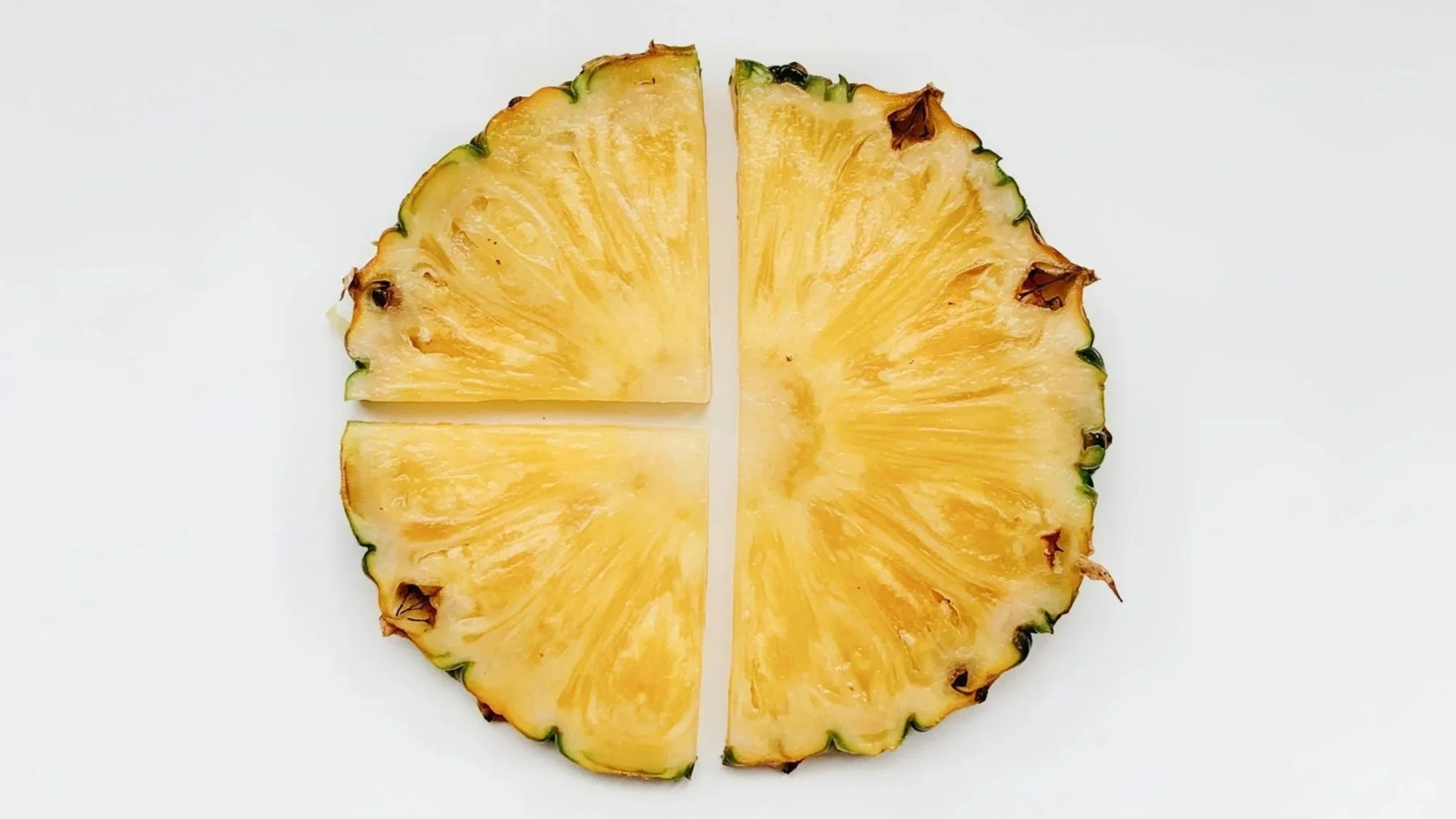
Pineapple
Pineapple is traditionally valued for reducing excess body heat, especially
in tropical climates. Its cooling nature is sometimes balanced with warming
ingredients such as unrefined sugar or spices.
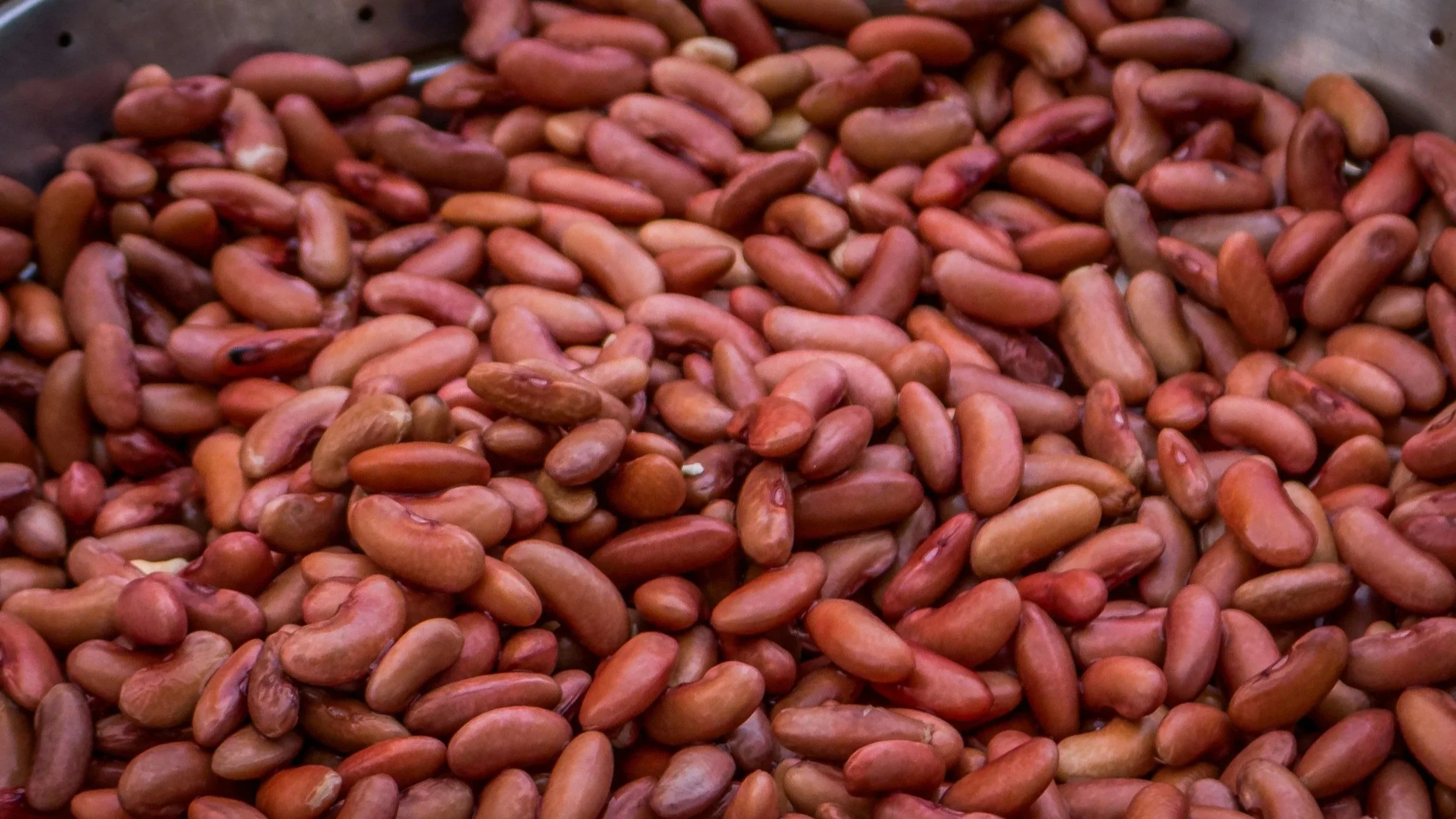
Red Beans
Red beans are often used in cooling desserts and teas. Traditionally, they
are believed to help eliminate excess heat and support fluid balance.
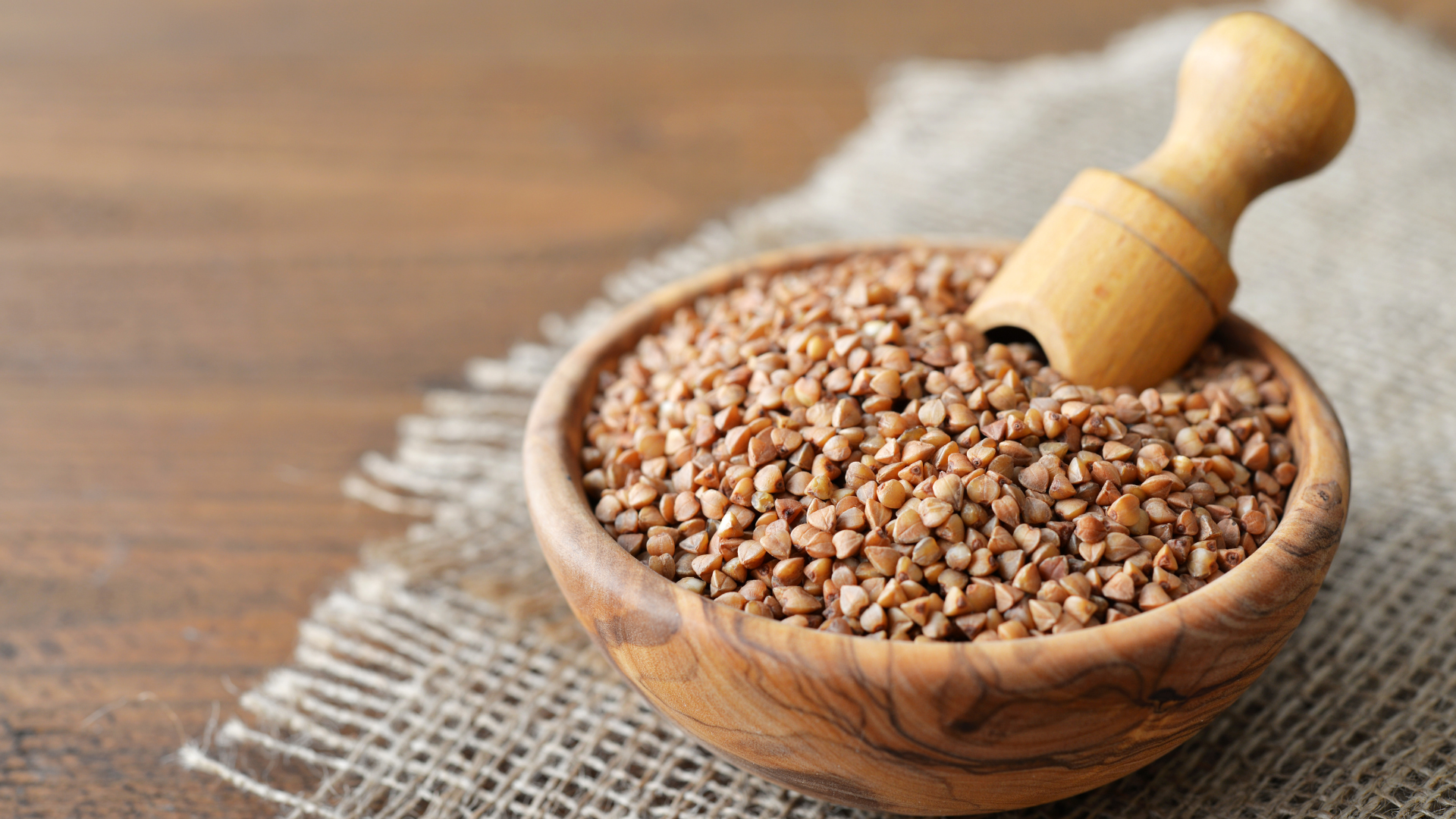
Buckwheat
Buckwheat naturally grows in cooler climates and is considered cooling in nature.
It supports digestion and may help reduce inflammatory heat within the body.
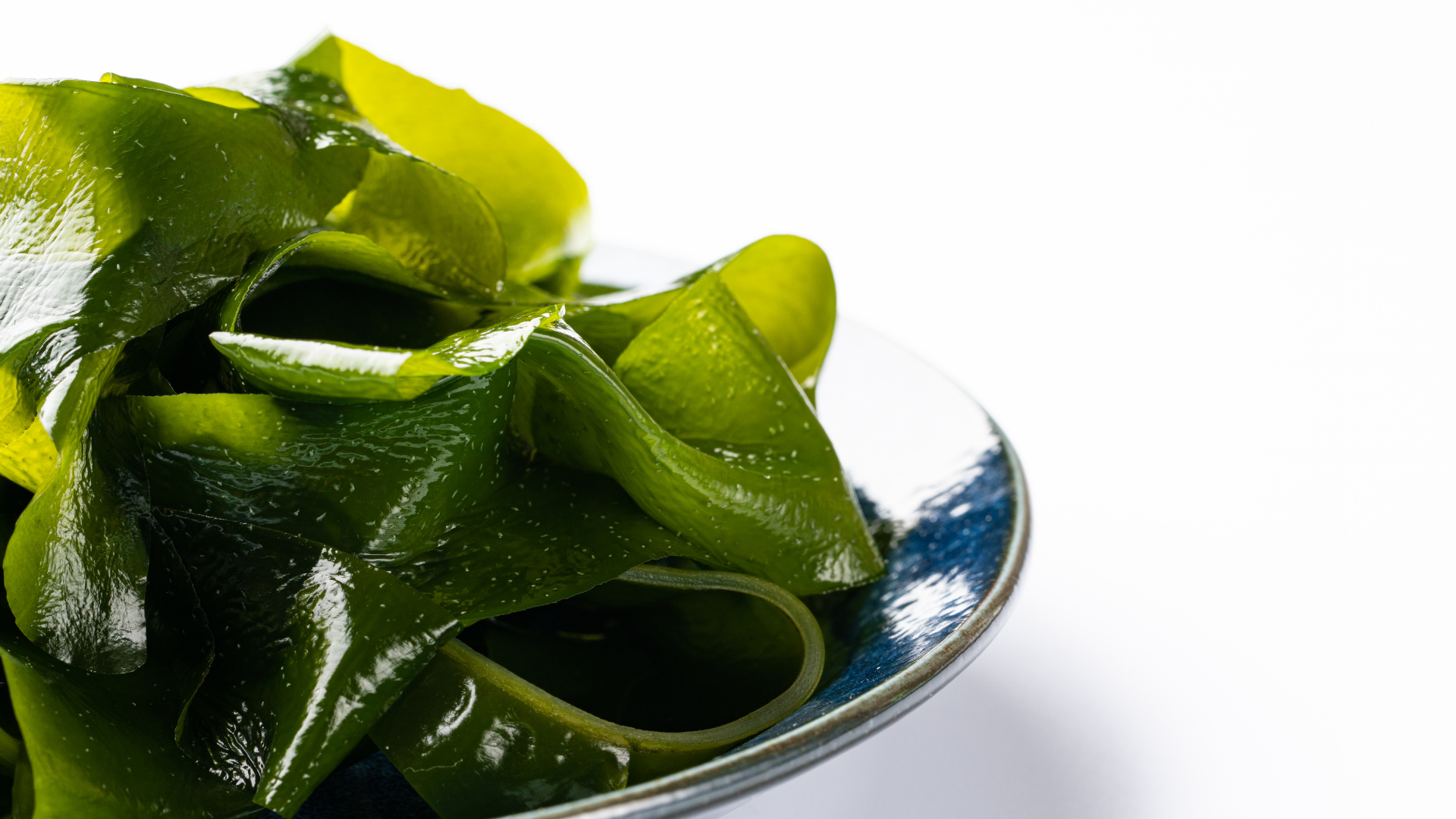
Seaweed
Seaweed is rich in minerals and is traditionally used to clear heat,
reduce swelling, and support detoxification.
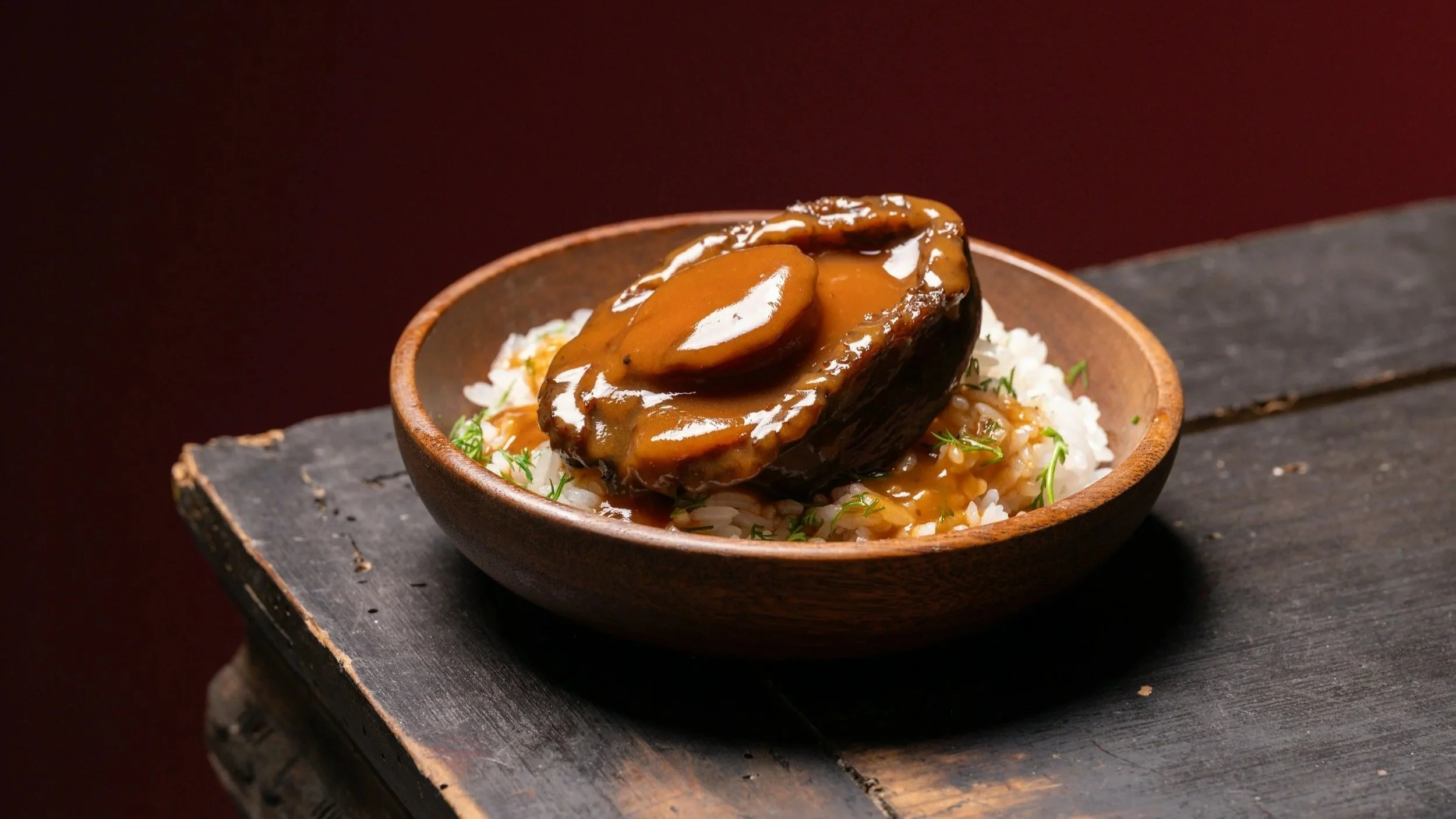
Abalone
Abalone is considered cooling and restorative, especially for excess heat
affecting the eyes or upper body.
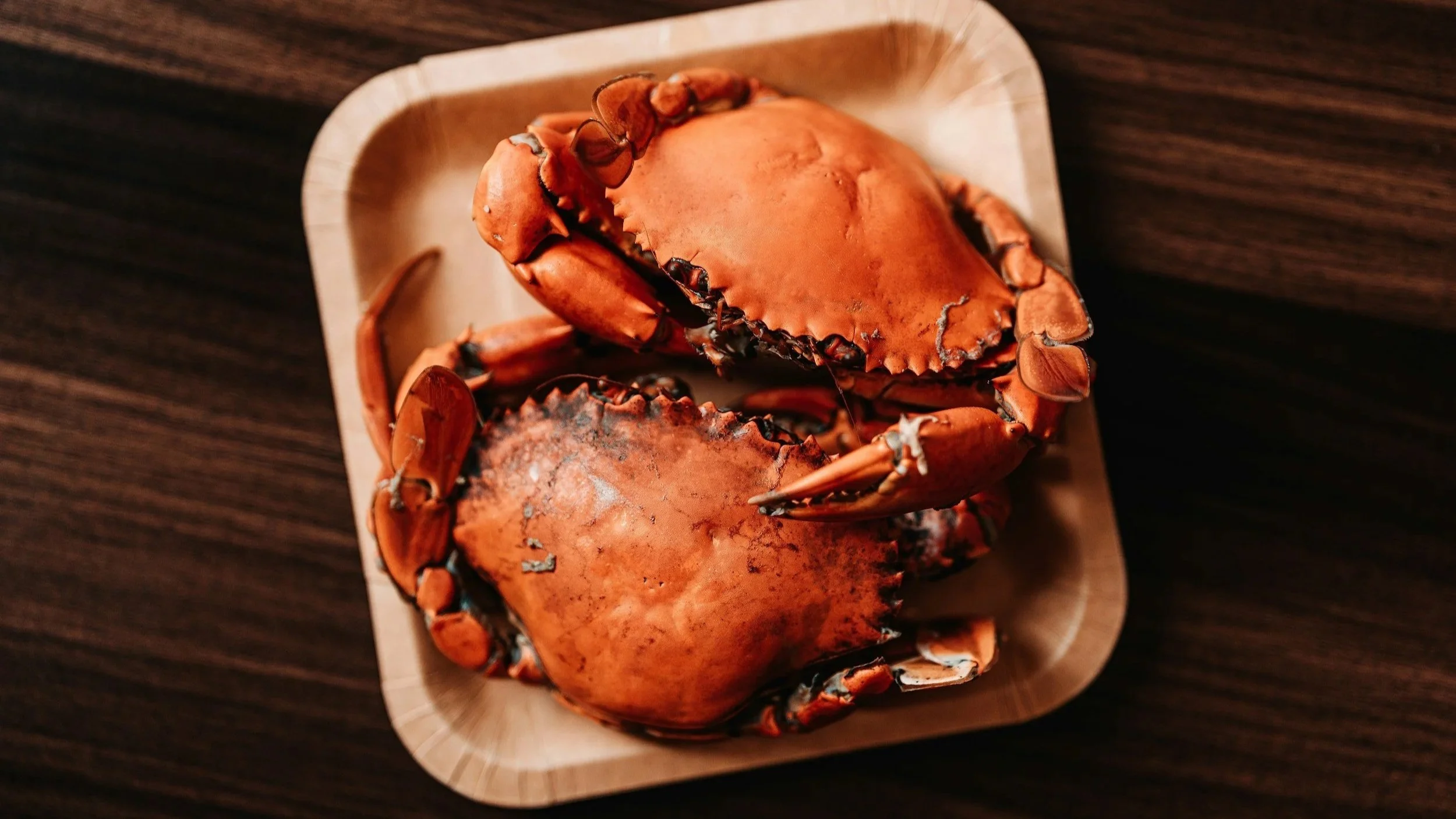
Crab
In Asian food therapy, crab is strongly cooling and often paired with warming
ingredients such as ginger or garlic to create balance within the meal.
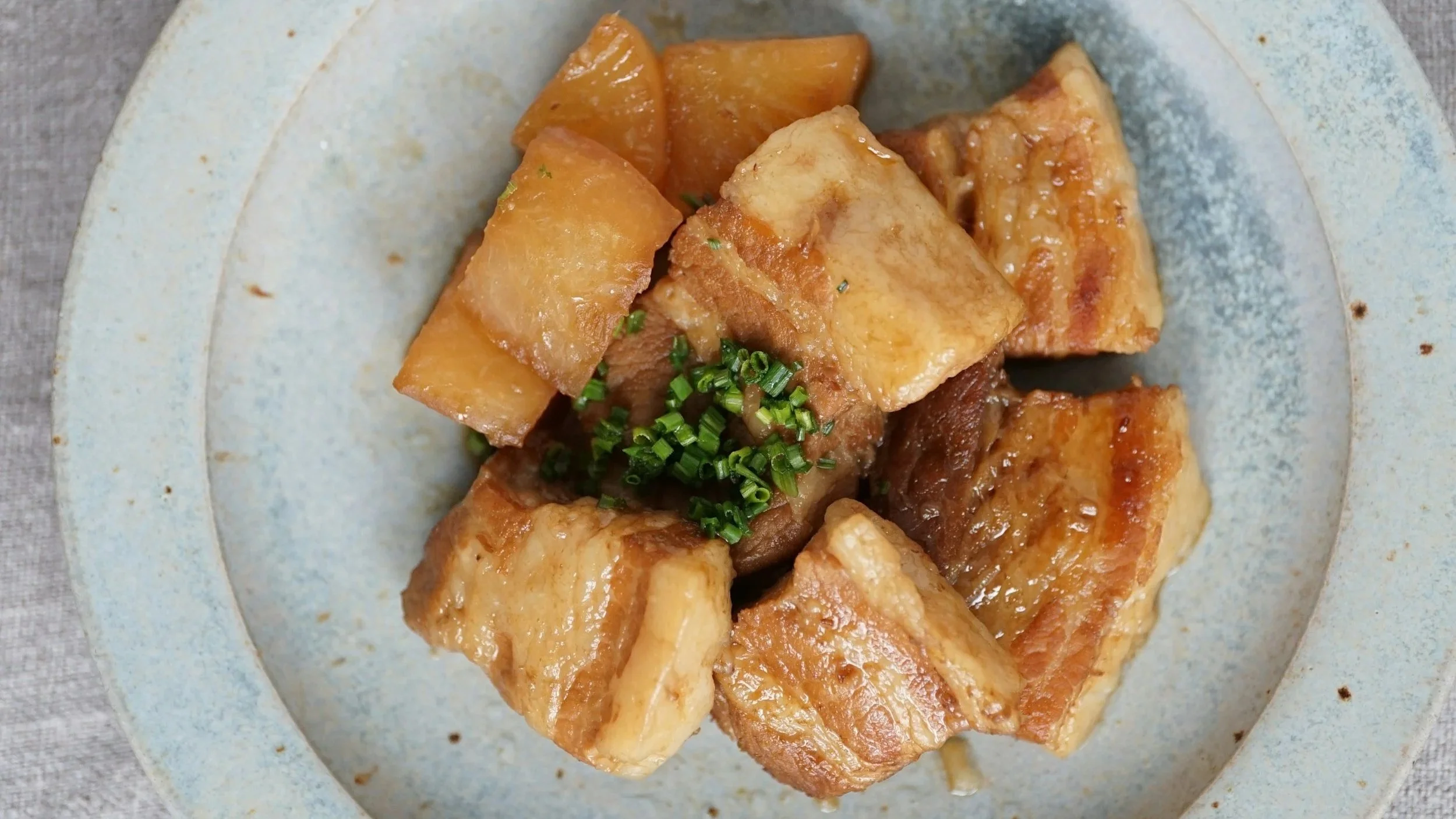
Pork
Unlike beef or chicken, pork is traditionally considered cooling. This is why it is often
paired with warming side dishes and spices to support digestion and maintain balance.
Balance Matters More Than Extremes
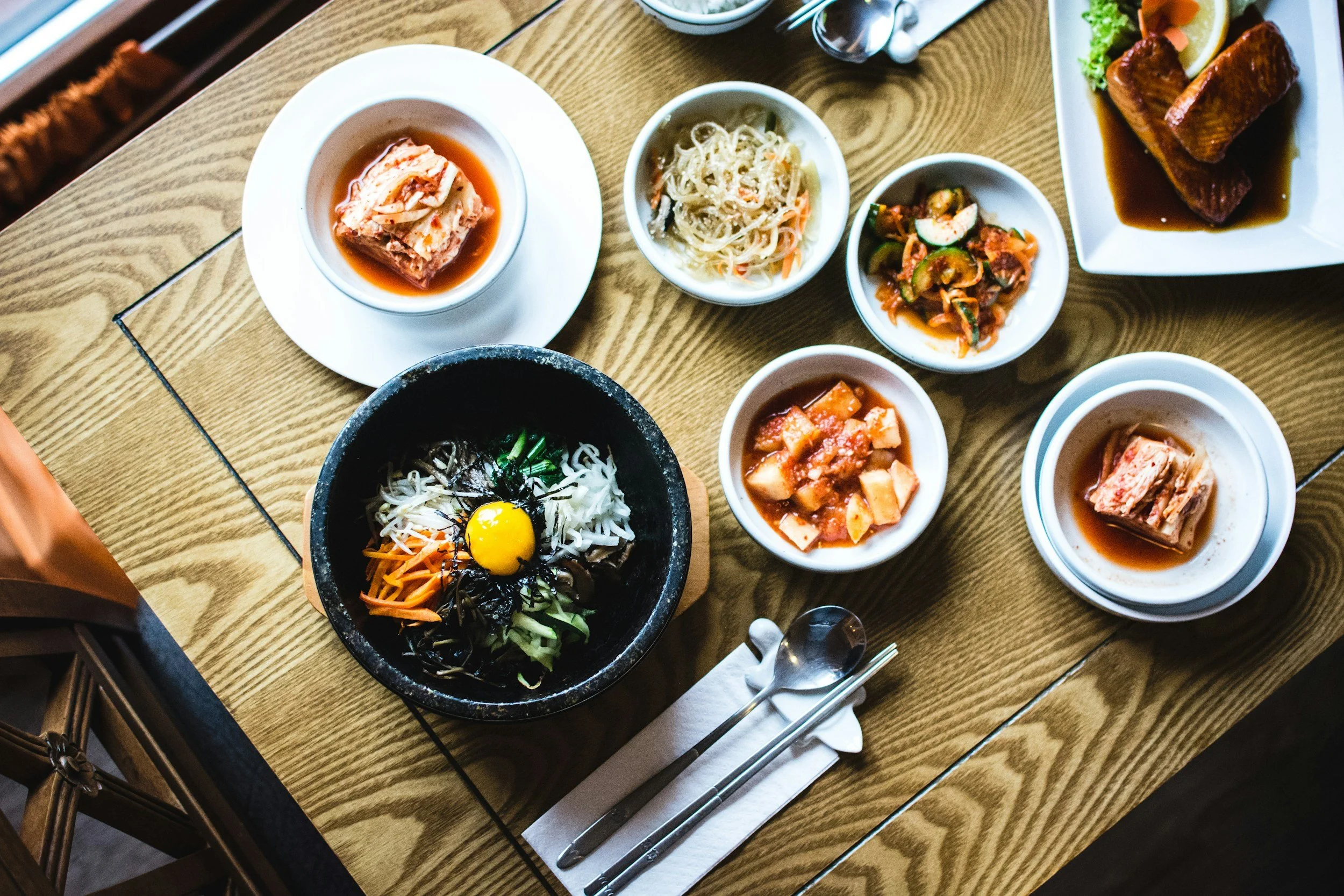
Traditional food therapy does not suggest that warming foods are always good or cooling foods are always bad.
The goal is balance.
Someone who constantly feels cold, exhausted, and depleted may benefit from more warming nourishment. Someone experiencing inflammation, excess heat, irritability, or overheating may require more cooling support. Food becomes most powerful when it is aligned with season, constitution, environment, and the body’s current condition.
Food as a Daily
Form of Medicine
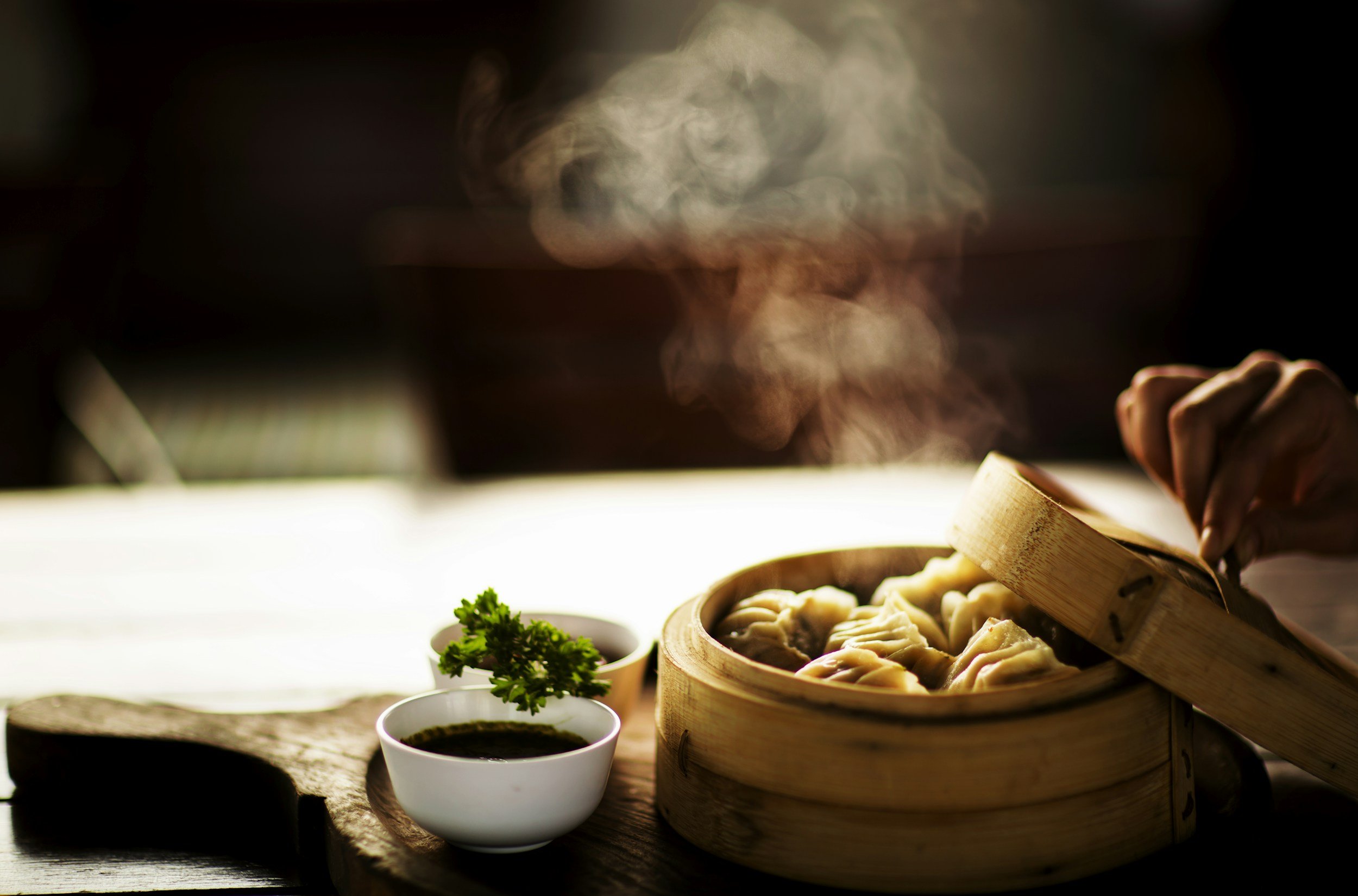
Modern nutrition teaches us about vitamins, minerals, metabolism, and biochemical
function. Traditional Asian food therapy adds another dimension: the energetic
relationship between food and the body. Together, they remind us that eating is not
simply about consuming nutrients. It is about cultivating balance, rhythm, and harmony
within daily life. Sometimes healing begins not with restriction,
but with learning how to listen more carefully to what the body is asking for.
