Why Oriental Medicine Often Feels Difficult

Studying Oriental Medicine is not simply about memorizing symptoms and treatments. It is the practice of learning how to notice subtle signs, interpret their meaning, and organize them into a coherent understanding of the whole person. For many students, this is what makes the medicine feel difficult. The challenge is not only the complexity of diagnosis, but also the fact that observation itself is a skill
that must be cultivated. Unlike systems built primarily on fixed answers, Oriental Medicine asks practitioners to continuously perceive, compare, and interpret what is unfolding in front of them. At its core,
it is a medicine of observation.
Observation Comes Before Interpretation
Before treatment, before diagnosis, before theory there is observation. In Oriental Medicine, small details often contain important clinical meaning:
- facial color
- tone of voice
- sleep quality
- digestion
- bowel and urinary patterns
- appetite
- emotional changes
- reactions to weather, stress, or food
These observations may appear ordinary on the surface, yet together they form a larger pattern. When observation is shallow, interpretation becomes unstable. When observation becomes more refined, treatment direction often becomes much clearer.
Observation Is Not Only Knowledge, but Habit
Observation cannot be developed through textbooks alone. Good teachers can guide the process, but observational skill matures primarily through repetition, reflection, and lived experience. In this sense, observation is less like collecting information and more like cultivating a daily habit of attention. The more we observe, compare, revisit, and question over time, the more our perception gradually deepens. Clinical understanding does not suddenly appear all at once. It develops slowly through sustained contact with real human experience.
Observation Belongs to Everyone
Observation is not exclusive to medicine.
Artists observe.
Writers observe.
Psychologists observe.
Scientists observe.
Anyone who studies human beings eventually learns that careful observation reveals meaning beneath the surface. In clinical practice, I often notice that patients who naturally observe their own bodies tend to recover more smoothly as well. No practitioner, no matter how experienced, can fully perceive the body more closely than the person living inside it every day. This is why seemingly simple comments from patients can become deeply valuable:
“This food always makes me feel bloated.”
“My sleep changes when the weather becomes humid.”
“Exercise helps me, but if I push too hard, I feel worse afterward.”
These observations are not trivial. They are clinical clues. When patients develop awareness of their own patterns, the healing process often becomes more collaborative, precise, and meaningful.
Oriental Medicine Should Be Accessible to Everyday Life
I believe Oriental Medicine becomes more powerful when its philosophy is not confined only to professional language. The ability to observe and care for one’s own body should not belong only to practitioners. It is something ordinary people can gradually cultivate within daily life and within families. In many ways, the spirit of Oriental Medicine is not only about treatment. It is about care. The more people understand how to observe their own rhythms and responses, the more empowered they become in supporting their health before imbalance becomes severe.
The One Practice I Encourage Most
In consultation, there is one thing I return to again and again:
“Observe your body carefully.”
For example:
- After eating, what foods leave you feeling lighter or heavier?
- After exercise, do you feel restored or depleted?
- How do weather, stress, seasons, or lack of sleep affect you?
- When do anxiety, irritability, fatigue, or emotional sensitivity worsen?
- What conditions help you feel calmer and clearer?
Even very simple observations can begin revealing important patterns over time. And once patterns become visible, the body often starts making more sense.
Observation Does Not Require Perfection
Observation is not an exam. There is no perfect answer to discover. The important thing is not whether someone observes “correctly,” but whether they begin paying attention at all. The moment awareness replaces automatic disregard, something shifts. People often become more stable simply because they begin noticing rather than ignoring what their body has been communicating for years. In this sense, observation itself can already become part of healing.
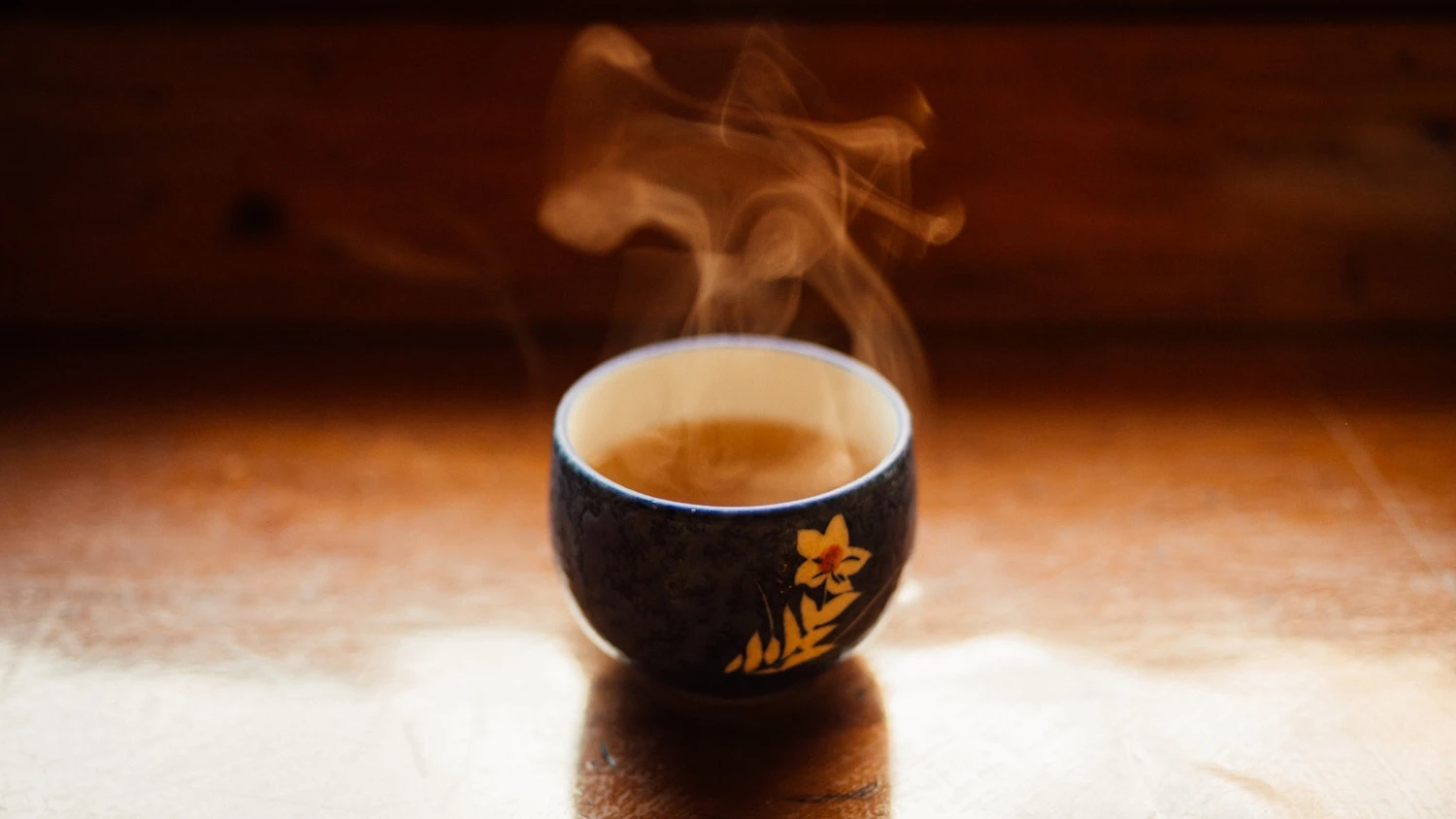
Becoming an Observer A practitioner who develops observational skill becomes more precise, more adaptable,
and more capable of understanding complexity. A patient who develops observational skill becomes more capable of supporting their own recovery and maintaining balance. This is
why observation has become one of the central principles guiding my life and practice.
I observe patients every day, but I also continually observe myself. Self-observation is not
always easy. Like everyone else, I experience fatigue, imbalance, illness, and pain. Still,
over time, I have come to feel that Oriental Medicine is ultimately an endless study of
observation: observing the body, observing life, observing relationship, and observing
the ever-changing nature of being human.