Dieting Is Not About Willpower. It’s About Restoring Rhythm
The Science of Sustainable Weight Loss: Understanding Sleep, Stress, and Insulin

When I speak with my patients about dieting, I often explain it this way:
Dieting is not a test of willpower.
It is a process of restoring your body so it can function properly again.
Exercise and meal planning are important, of course.
But before we begin there, I believe we need to ask a more fundamental question:
Is my body actually ready to burn fat?
One of the most common things I hear in the clinic is this:
“I’m exercising. I’m watching what I eat. But why isn’t the weight coming off?”
At that point, many people conclude,
“Maybe I just have a body that doesn’t lose weight easily.”
But in many cases, it’s not about body type.
Sometimes the body has simply shifted toward conserving energy due to fatigue or stress.
In other words, it’s not that weight loss is impossible
it’s that the conditions for fat loss are not yet in place.
After more than 15 years of working in weight management, one thing has become clear to me:
Diets and exercise routines that are difficult to sustain often lead to the yo-yo effect.
That’s why the beginning of any routine is always the same:
A small decision not to push yourself harder,
but to support yourself better.
Dieting should not feel like punishment.
It should feel like learning how to care for yourself a little more consistently, day by day.
Starting Too Aggressively Can Push the Body Into “Energy-Saving Mode”
When the body is already tired or out of balance,
suddenly restricting food or dramatically increasing exercise intensity can be perceived as stress.
And when stress increases, the body may shift toward conserving energy rather than using it.
That’s often when people say,
“I guess I just have a weight-gain tendency.”
But sometimes it’s not about a fixed constitution.
It’s about the current condition of the body.
If your goal is to reduce body fat or reshape your body,
the first step is not intensity.
It is restoring balance,
so that your fat-burning system can function effectively again.
When that foundation is in place,
weight becomes easier to manage, without constant struggle or repeated rebound.
The 7 Lifestyle Principles I Recommend First
Because dieting is not a period of endurance.
It is a time to design a sustainable way of living.
When these routines are in place and rhythm returns,
weight often begins to shift more naturally.
Let me walk you through them.
1) Don’t Start With “A Diet”
If you are eating with the mindset of “I just have to endure this because I’m dieting,”
your body will eventually want to return to old habits, sometimes even more strongly.
If it is a way of eating you would never continue once the “diet period” ends, don’t start it in the first place.
Instead, ask yourself:
“Can I live this way long term?”
If you cannot sustain it for even a month, it may not be the right approach. Rather than cutting out everything you love,
focus on finding a healthier and sustainable way to include it.
2) Pause the “Exercise for Weight Loss” Mindset
This may sound surprising, but I often discourage exercising purely to lose weight.
When exercise comes from pressure “I need to burn this off”
or when you suddenly push yourself too hard, the body experiences stress.
There is no need to be perfect from the beginning.
A short walk after meals.
A warm foot bath in the evening.
Gentle stretching before bed.
Small routines are enough.
3) Put the Scale Away for a While
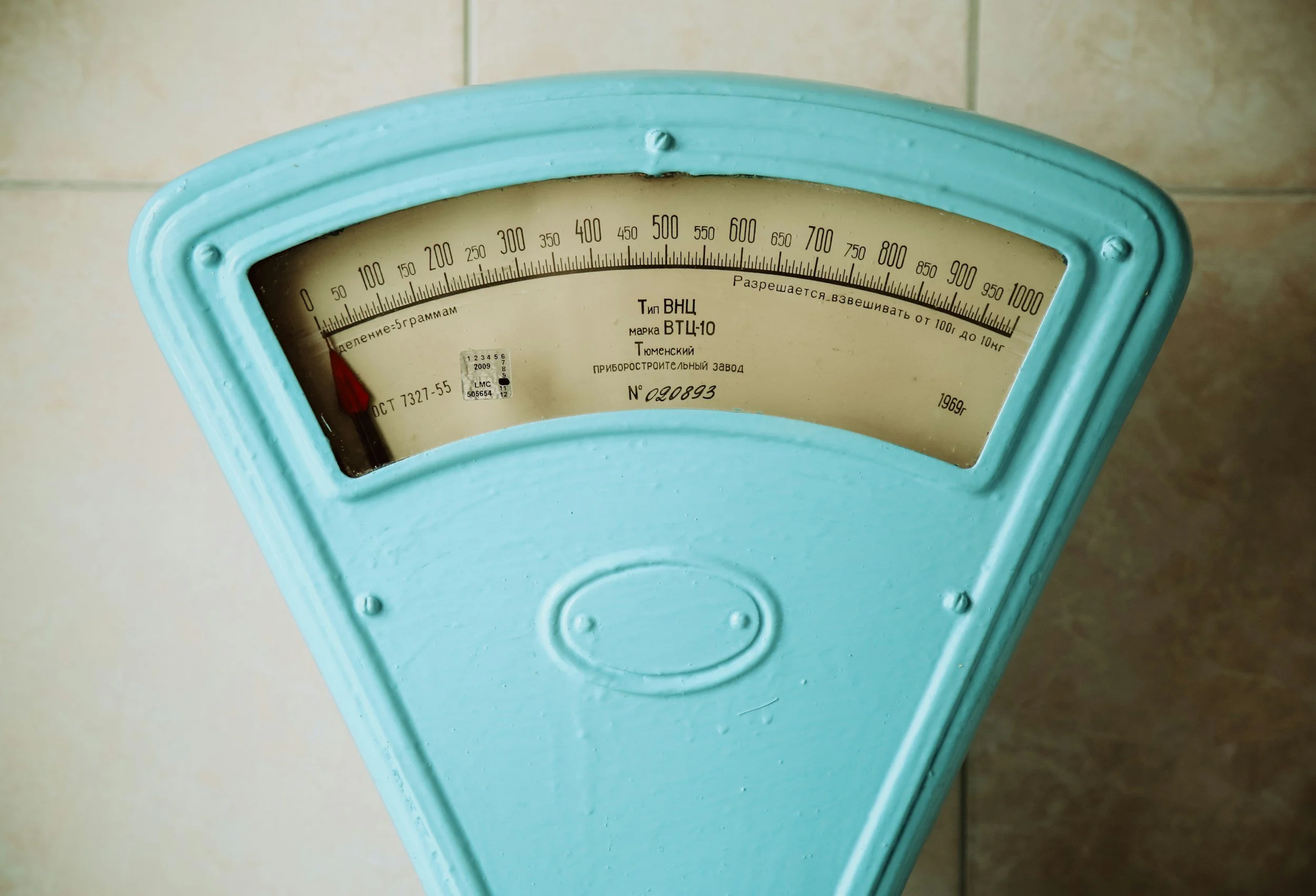
Weight is just a number.
It naturally goes up and down, after drinking water, after a meal, depending on hormones or digestion.
When your mood rises and falls with the scale, dieting becomes exhausting.
If you build consistent routines, weight often adjusts gradually on its own.
And a body built through rhythm has resilience, even if it temporarily increases, it tends to return to balance.
We are not trying to create a thin body.
We are building a sustainable body, one you can live in and care for.
4) Fat Loss Is Deeply Influenced by Sleep
Sleep plays a powerful role in regulating appetite hormones.
When sleep is lacking, hunger hormones can increase,
and stress hormones such as cortisol may rise as well.
Deep sleep supports recovery and metabolic regulation.
So yes, sleep matters.
Not only how long you sleep but when you sleep.
Rhythm matters here too.
5) Keep Meal Times Consistent
Irregular eating can make the body feel unsettled.
In some cases, it may lean toward conserving energy.
Whether you eat two meals or three is less important than consistency.
Regular meal timing gives the brain a sense of stability.
And when the system feels stable,
it becomes easier for the body to use energy efficiently.
Hormones like leptin and insulin also tend to function more steadily under consistent patterns.
6) Eat Slowly and Chew Thoroughly
It takes about 15–20 minutes for the brain to register fullness.
If you eat quickly, you may consume more than you need before you even feel satisfied.
Simply slowing down can naturally regulate intake.
Sometimes the smallest habits create the biggest shifts.
7) Reduce Habitual Snacking
Many people ask,
“Isn’t a little fruit or a few nuts between meals okay?”
Occasionally, yes.
But when snacking becomes frequent and automatic,
insulin is stimulated repeatedly.
While insulin is active, fat breakdown slows temporarily.
It is not one bite that matters, it is the repeated pattern.
When snacking becomes constant, the rhythm of fat burning can be interrupted.
Healthy Dieting Is Self-Care
Healthy dieting is not about forcing yourself into the frame of a thin body through extreme restriction.
It is about learning how to care for your body properly.
The body positivity movement reminds us that bodies come in different shapes and sizes. Each person has a unique constitution influenced by genetics, life experience, and environment.
We all have our own natural body type, whether slimmer or fuller, and each carries its own form of beauty.
At the same time, it is important to distinguish between body shape and metabolic health.
While body diversity should be respected, metabolic imbalance, such as insulin resistance, chronic inflammation, or poor lifestyle patterns, may increase the risk of conditions like obesity-related complications, type 2 diabetes, and cardiovascular disease.
The goal of healthy weight management is not thinness.
The goal is metabolic stability and long-term health.
In my work with patients, the first priority is not weight, it is emotional and physiological balance.
Learning to truly care for yourself, consistently and compassionately, is what creates real, lasting change.
And that is what makes you genuinely beautiful.
#SustainableWeightLoss
#MetabolicHealth
#SleepAndWeightLoss
#StressAndMetabolism
#HormoneBalance
#HealthyHabits
#NonDietApproach
#LifestyleMedicine
#WeightManagement
#BodyPositiveHealth
The information provided on this website and blog is for educational and informational purposes only.
It is not intended to constitute medical advice, diagnosis, or treatment, and should not be relied upon as a substitute for professional healthcare consultation.