Blog
"A space reflecting on women’s health, integrative medicine, and seasonal wellbeing, exploring the beautiful connection between your body, mind, and the rhythm of everyday life."
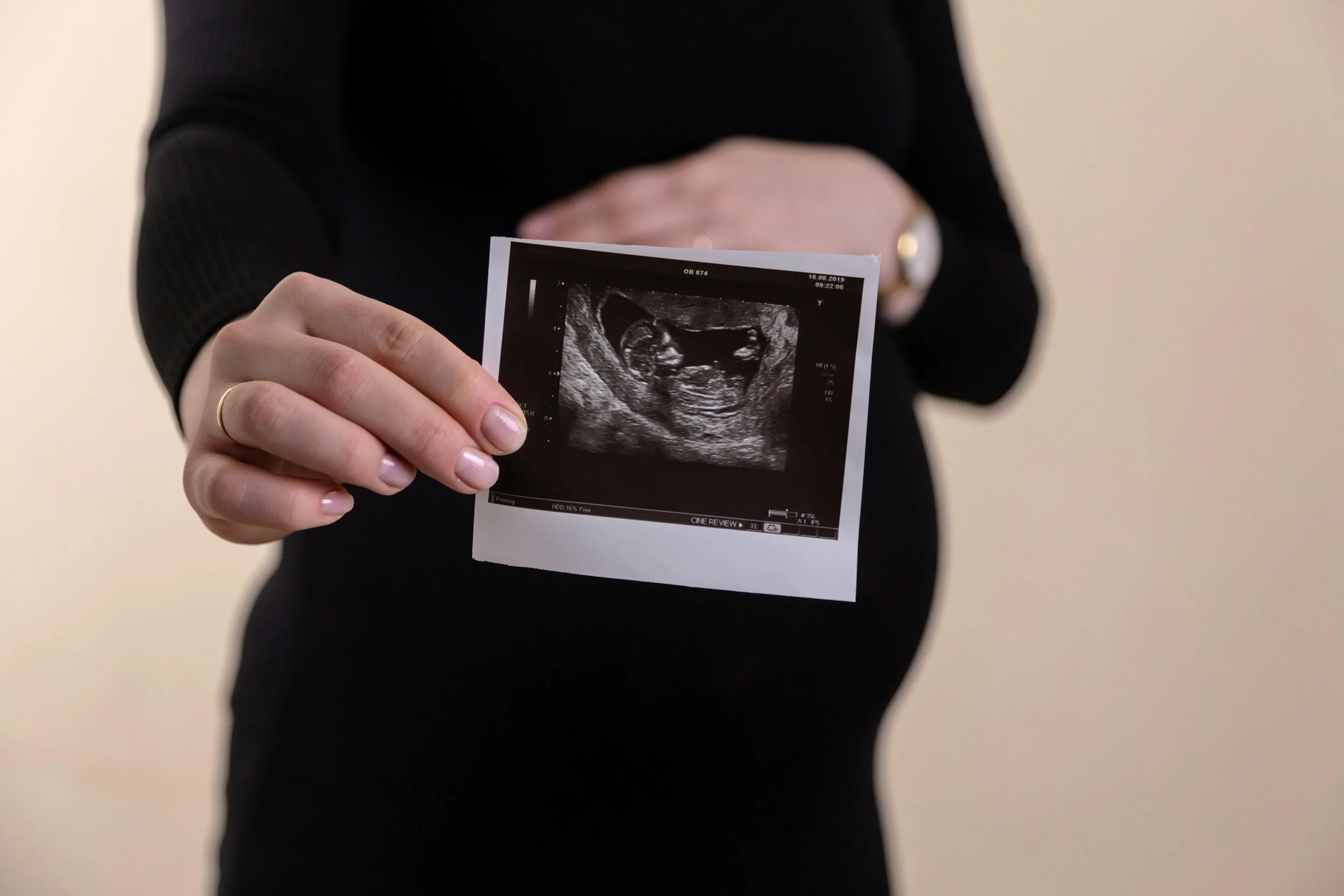
The Implantation Timeline A Day-by-Day Journey
The two-week wait is more than a countdown. It is the sacred dawn of your pregnancy journey. Explore the daily physical milestones of implantation alongside the gentle TCM wisdom of Antai (securing the fetus) and Taidiao (prenatal attunement) to help you hold space for new life. No matter what moment you are passing through during this two-week wait, your body is a marvel in itself, and your mind is the safest sanctuary.

Acupuncture for Cancer Survivorship
Cancer survivorship is not only a period after treatment, but a continuing process of recovery, renewal, and adaptation. Many cancer patients and survivors experience persistent symptoms such as pain, fatigue, anxiety, sleep disturbance, neuropathy, and reduced quality of life even after conventional treatment has been completed.
Integrative oncology offers an evidence-informed approach to supportive care by combining conventional cancer care with selected complementary therapies, such as acupuncture, massage, mindfulness, exercise, and nutrition-based support. In particular, acupuncture has been increasingly studied for its role in cancer-related pain, treatment-related side effects, and survivorship care.

Five Elements Meets Habitus: What Is the Right Movement for Me?
Why do certain workouts leave us feeling stronger, while others seem to drain us even more? From a Five Elements perspective, movement is not simply about burning calories or building muscle. It is a way of restoring rhythm, regulating energy, and reconnecting the body with its natural constitution.
This article explores how different forms of movement may suit different constitutional patterns.
Rather than following a universal fitness formula, the right movement may be the one that helps the body return to balance: grounding when we are scattered, flowing when we are tense, strengthening when we are depleted, and softening when we are overdriven.

About Nourish to Flourish
Health is not a fixed state, but a living process of movement, adaptation, and relationship. In the Five Elements tradition, the body is understood as a living ecosystem shaped by the dynamic interplay of wood, fire, earth, metal, and water. Each person carries a unique constitutional pattern, with their own strengths, sensitivities, emotional tendencies, and rhythms of renewal.
When this inner ecosystem drifts away from balance, symptoms may begin to emerge. Stress, lifestyle, emotional strain, environmental pressures, and eating habits can all influence how the body expresses discomfort. Healing begins by listening carefully to these signals and understanding the deeper constitutional patterns beneath them.

Dieting Is Not About Willpower. It’s About Restoring Rhythm
Dieting is not simply a matter of willpower. It is a process of helping the body return to a state where it can function, recover, and regulate itself properly.
Many people exercise consistently and eat carefully, yet still feel frustrated when weight does not shift. In these cases, the issue may not be a lack of effort. The body may be operating in a state of conservation, shaped by stress, poor sleep, exhaustion, hormonal disruption, or chronic imbalance.
Before asking the body to burn fat, we need to ask whether it feels safe enough to do so. Sustainable weight loss begins not with harsher restriction, but with restoring the internal conditions that allow metabolism, energy, digestion, and recovery to work together again.
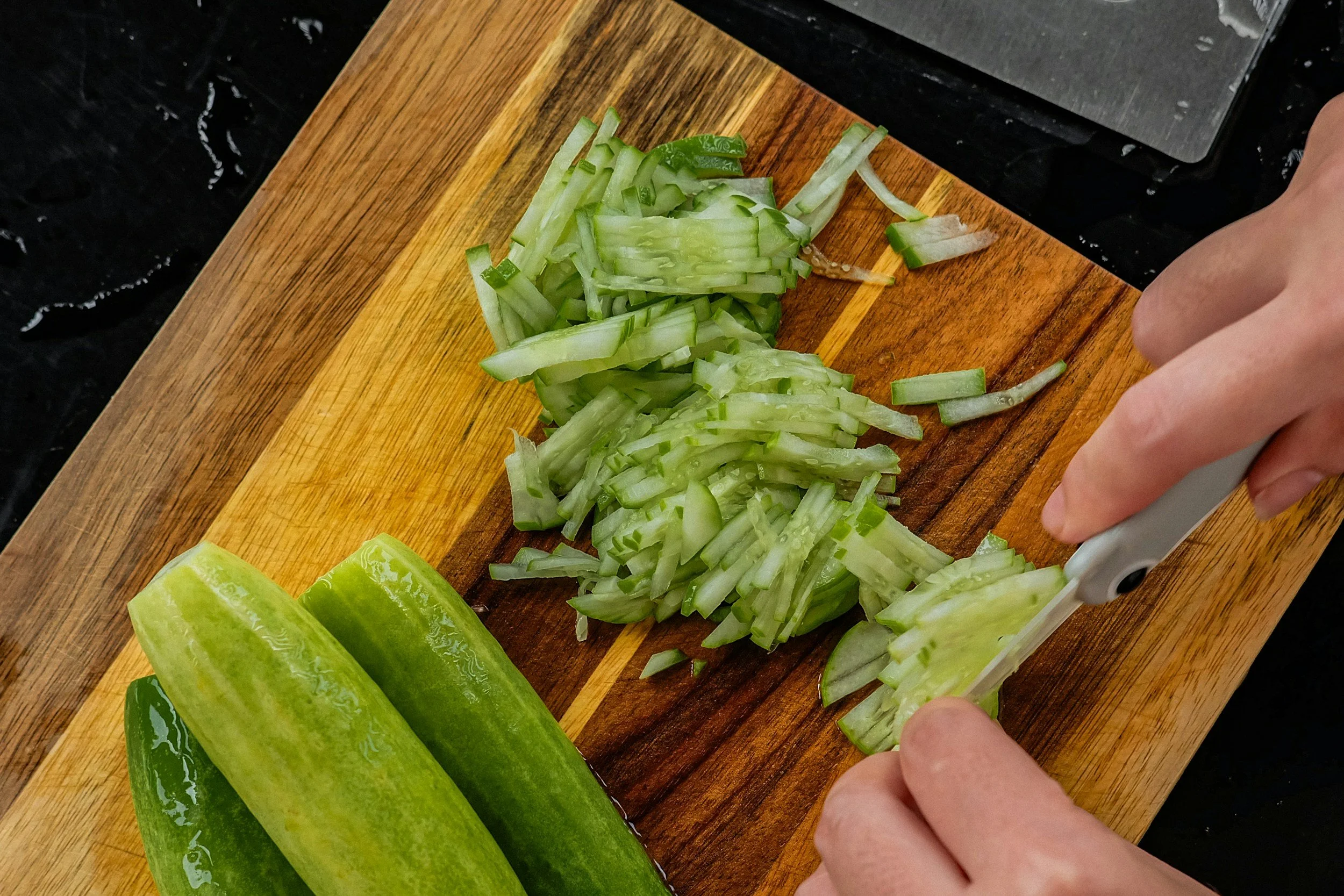
Warming vs Cooling Foods: Traditional Asian Food Therapy Meets Modern Nutrition
In Traditional Chinese Medicine and Asian food therapy, food is understood not only by its nutrients or calories, but also by its energetic qualities. Some foods are considered warming, supporting circulation, digestion, and vitality, while others are cooling, helping to calm heat, inflammation, and overstimulation.
Rather than asking whether a food is simply “healthy” or “unhealthy,” traditional food therapy asks: What does the body need right now? The same ingredient may affect the body differently depending on constitution, season, cooking method, and the body’s current condition.
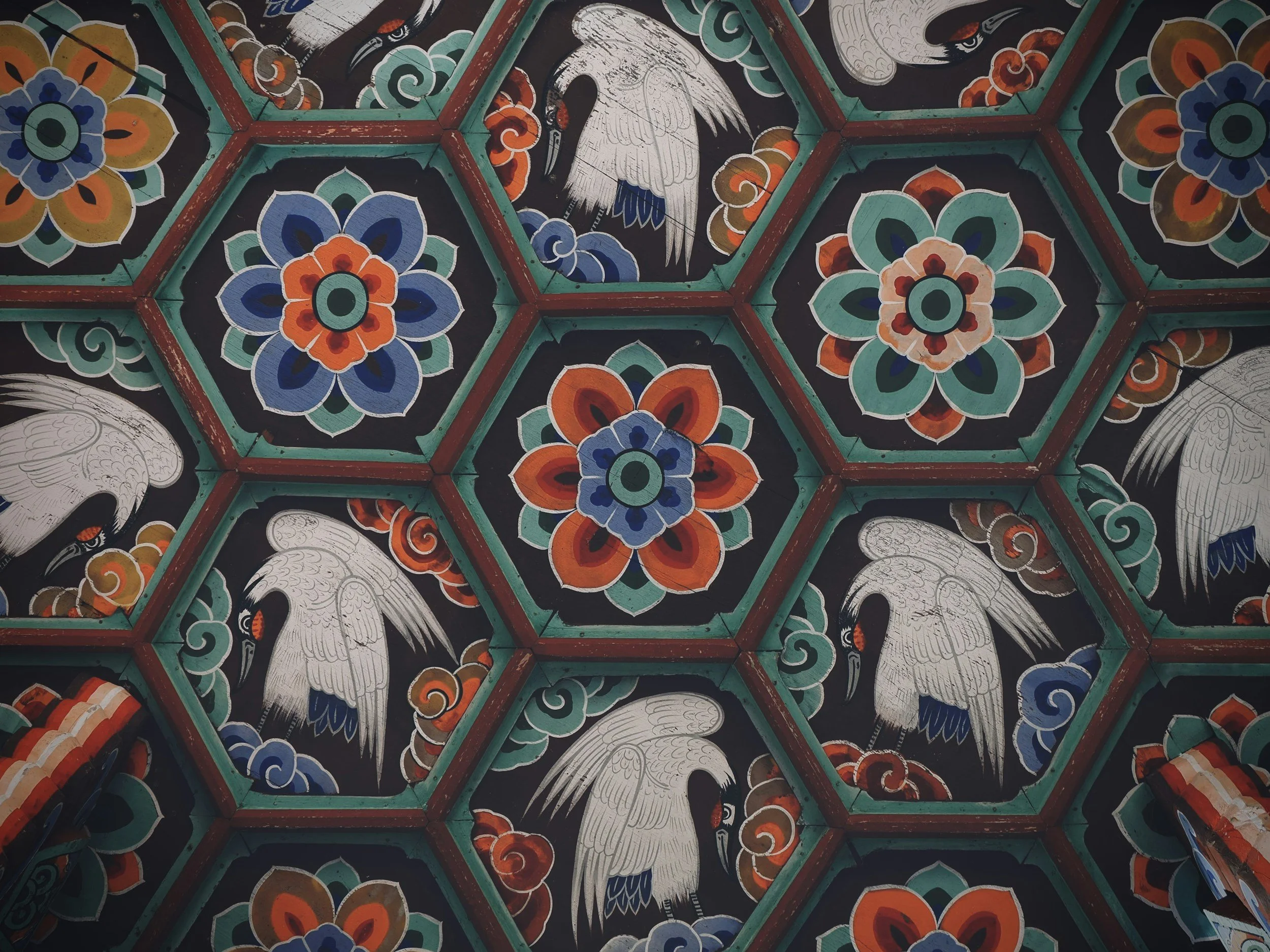
The Five Elements in Bibimbap and Hanok: The Balance Reflected in the Rainbow Diet
Bibimbap brings together diverse colours, flavours, textures, and ingredients into one bowl, creating nourishment through proportion rather than excess. Hanok, likewise, reflects balance through its relationship with light, airflow, season, landscape, and human living patterns.
Together, bibimbap and hanok show that health is not created by a single dominant element, but through the harmonious relationship between many forces. Through the Five Elements lens, food and home become expressions of the same wisdom: balance is something we live, eat, and inhabit.
Constitutional Medicine Explained: Organs, Emotions, and the Five Elements
The mind is not separate from the body. In East Asian medicine, emotional life, organ function, physical symptoms, and vitality are understood as deeply interconnected. Where the mind goes, Qi follows; where Qi moves, the body responds.
Constitutional medicine looks at the whole person: not only symptoms, but also temperament, emotional tendencies, physical patterns, and the way each person responds to life. Some people naturally run warmer or colder, faster or slower, more emotionally sensitive or physically reactive. These differences are not flaws, but part of each person’s constitutional blueprint.
Five Elements in Practice: Observation, Differentiation, and Constitutional Insight
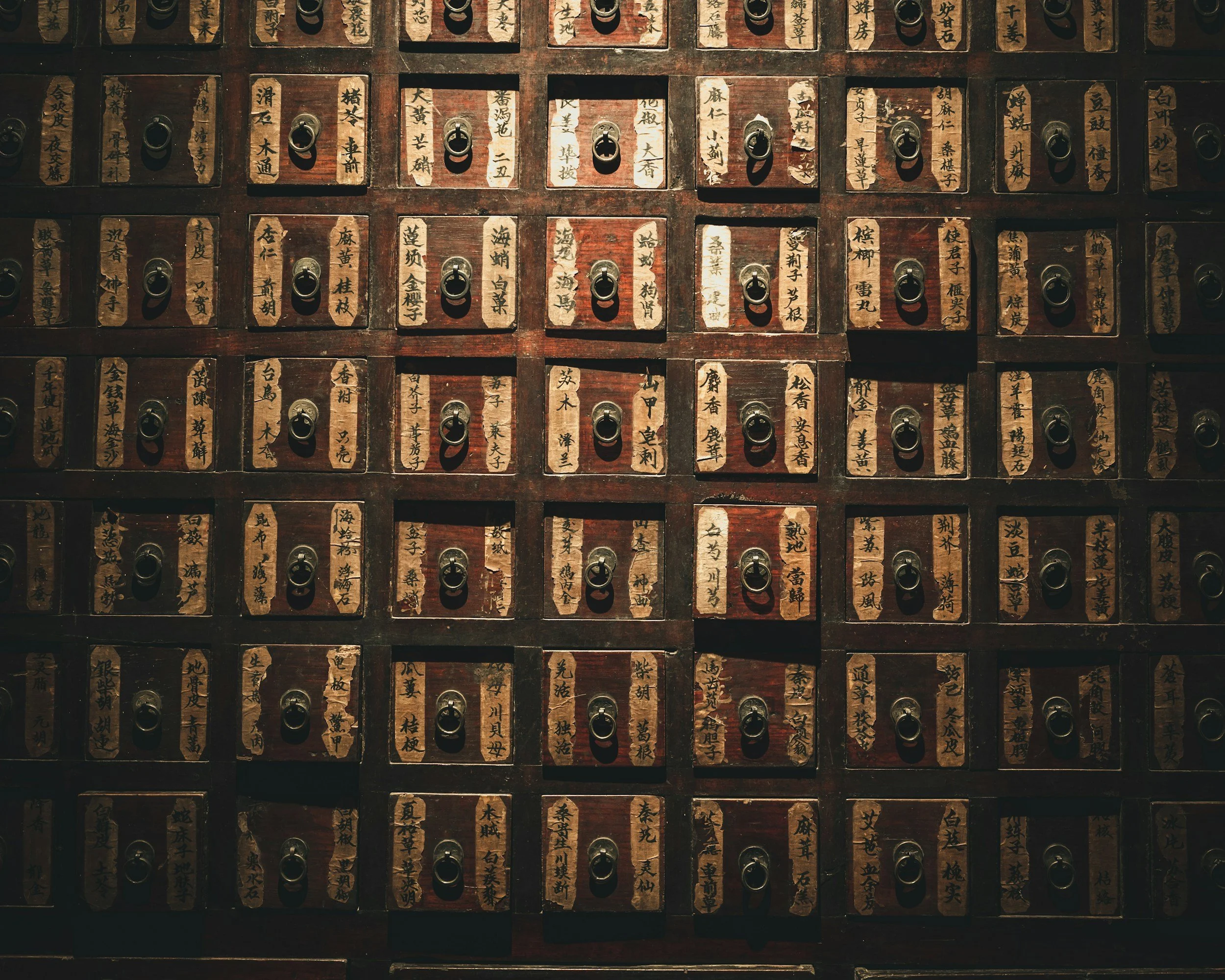
Over time, I began to realise that symptoms alone rarely tell the full story. The Eight Principles, or Ba Gang, offered a way to organise clinical complexity through broader patterns such as Yin and Yang, Cold and Heat, Deficiency and Excess. Instead of asking only how to relieve a symptom, I began asking: What is the overall direction of this person’s condition?
This shift changed the way I understood diagnosis. Traditional medicine is not built on isolated techniques or “secret methods,” but on the ability to observe, differentiate, and connect patterns with treatment. Secret methods may be useful in certain cases, but true clinical skill lies in understanding each patient’s unique pattern, choosing treatment accordingly, and seeing the whole person clearly.
The Observer: Oriental Medicine as Phenomenology
Observation Belongs to Everyone
Observation is not exclusive to medicine.
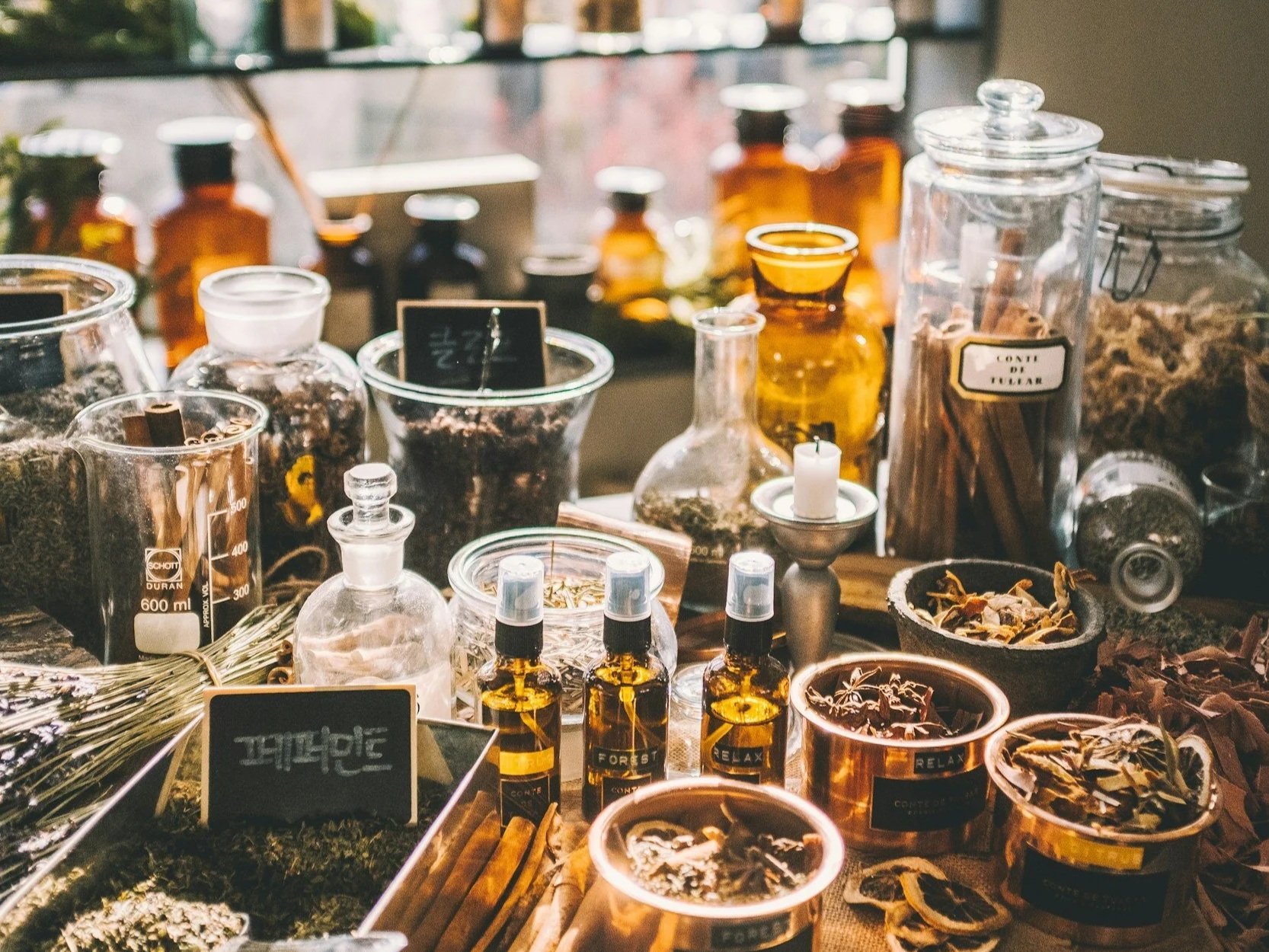
For many students first approaching this field of medicine, this is what makes it feel difficult. The challenge is not only learning complex diagnostic systems, but also cultivating observation itself. Oriental Medicine asks practitioners to continuously perceive, compare, and interpret what is unfolding in front of them.
At its core, it is a medicine of observation.