Morning Smoothies: Cure or Poison?
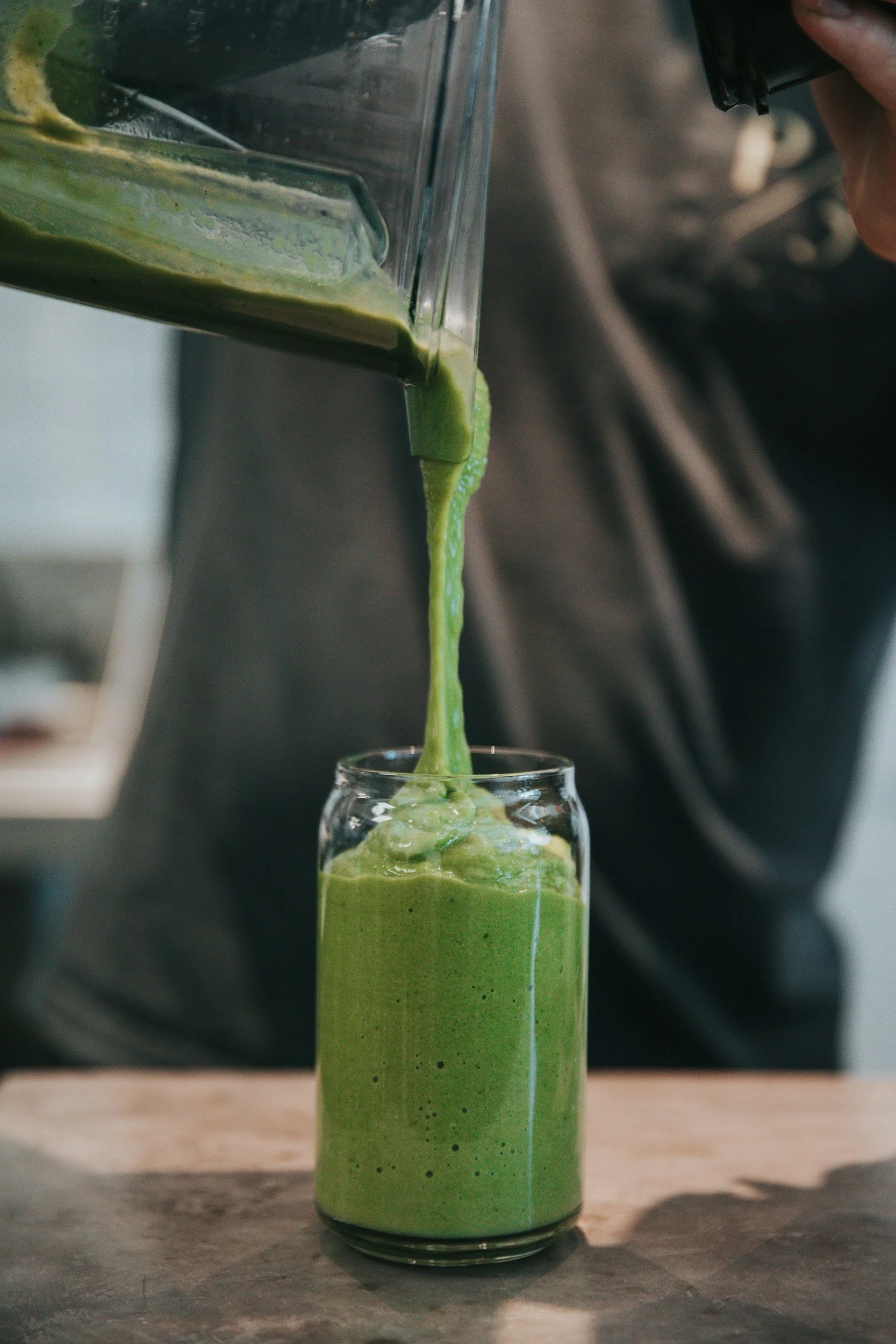
Many of my clients often ask me about the best way to eat breakfast. A lot of people start their day with a smoothie and wonder whether it is actually healthy or right for them. Today, I’d like to talk about popular morning smoothies made by blending raw fruits and vegetables.
The lifestyle trend of drinking blended fruit and vegetable smoothies every morning has taken the health world by storm. While some claim it makes their body feel lighter and detoxified, others warn that it damages digestion and causes wild blood sugar fluctuations.
To be clear, my stance on this is neutral.
Vegetable smoothies are neither a universal cure-all nor an absolute poison. How you combine and cook the ingredients—along with your unique individual health status—will yield vastly different outcomes. Based on nutritional science, let’s examine the benefits, potential risks, and smart ways to incorporate smoothies into your routine.
1. The Pros: Nutritional Benefits of Well-Formulated Smoothies
For a smoothie to serve as a beneficial source of nutrition, certain key conditions must be met:
① Lightly Steaming Cruciferous Vegetables & the Liver Detox System
Cruciferous vegetables such as broccoli, cabbage, and kale are rich in glucosinolates. In the body, these compounds convert into sulforaphane, which plays a pivotal role in activating Phase II liver detoxification enzymes.
The Importance of Cooking: Consuming large amounts of raw cruciferous vegetables can introduce goitrogens (which may suppress thyroid function) or cause digestive discomfort. Lightly steaming them before blending preserves their antioxidant benefits while significantly reducing plant toxins and digestive strain.
② Synergy with Healthy Fats (e.g., Avocado)
Adding fat-rich foods like avocado or olive oil to your greens dramatically enhances the bioavailability and absorption of fat-soluble vitamins (A, D, E, K) and fat-soluble antioxidants (such as beta-carotene and lutein).
③ Strictly Excluding High-Sugar Fruits
These health benefits only hold true if you strictly avoid adding large quantities of high-sugar fruits like bananas, mangoes, or apples, as commonly seen in commercial smoothies.
2. The Cons & Risks: Concerns and Antinutrient Issues
Conversely, poor ingredient choices or overuse can negate the intended health benefits and place unnecessary stress on the body.
The Problem with Blending High-Sugar Fruits
Juicing or high-speed blending destroys the insoluble fiber matrix of fruits, causing sugars (especially fructose) to be absorbed rapidly into the bloodstream and liver. This can trigger sharp blood sugar spikes, increase the risk of fatty liver, and drive chronic systemic inflammation.
Antinutrients in Raw Vegetables: Lectins, Oxalates, and Phytic Acid
Warnings regarding antinutrients—compounds plants produce to defend themselves—are grounded in nutritional facts.
Oxalates (Oxalic Acid): Can contribute to calcium oxalate kidney stones and inhibit calcium absorption.
Lectins & Phytic Acid: May increase intestinal permeability ("leaky gut"), irritate the gut lining, and interfere with mineral absorption.
While some argue that individuals with healthy digestive systems and strong metabolic capacity can properly process or excrete small amounts of antinutrients, the concern remains valid: continuous, excessive intake of antinutrients can lead to metabolic issues, including gut leakage, kidney stones, and joint pain.
3. High-Oxalate Vegetables You Should Avoid Blending Raw
Vegetables high in oxalates should generally not be blended raw for long-term smoothie consumption:
Spinach – A primary high-oxalate culprit (high risk of kidney stones when consumed raw in large amounts)
Swiss Chard
Beet greens and Beetroot
Rhubarb
Sorrel
Instead of blending these raw, it is far safer to blanch or boil them first, allowing the oxalates to leach out into the cooking water.
A Smart Guide: Finding What Works for You
Ultimately, a personalized approach is essential.
If you are healthy: There is no need to force yourself to adopt the trend of drinking organic raw smoothies. Eating a balanced diet with well-chewed, cooked vegetable dishes is more than enough.
If you want to try it for a specific goal:
Start safely: Lightly steam your cruciferous veggies, add avocado, and leave out high-sugar fruits.
Monitor your body closely over a week or more—pay attention to your digestion, bowel movements, energy levels, and skin.
If you feel positive changes, keep going. If you experience gas, bloating, or fatigue, stop immediately.
The most important step is to know and carefully observe your own body and constitution.
Wishing you a wonderful day!
#oxalates #oxalateoverload #oxalateawareness #highoxalate #lowoxalatediet #kidneystones #kidneyhealth #kidneystoneprevention #smoothiemyths #detoxmyth #greenjuicemyth
#smoothiesideeffects #greensmoothiecleanse #juicedetoxmyth #bloatedaftereating #bloatingcauses #greensmoothie #detoxjuice #oxalates #antinutrients #smoothiemyths #guthealth #kidneystones #functionalnutrition #evidencebasednutrition #detoxjuice #greenjuice #juicing #healthyrecipes #wellness #morningroutine #guthealth #healthyfood
References
Houghton, C. A. (2019). Broccoli or sulforaphane: Is it the source or the dose that matters? Molecules, 24(19), 3593.
Muraki, I., Imamura, F., Manson, J. E., Hu, F. B., Willett, W. C., van Dam, R. M., & Sun, Q. (2013). Fruit consumption and risk of type 2 diabetes: Results from three prospective longitudinal cohort studies. BMJ, 347, f5001.
Makkapati, S., D'Agati, V. D., & Balsam, L. (2018). "Green smoothie cleanse" causing acute oxalate nephropathy. American Journal of Kidney Diseases, 71(2), 281–286.
Noonan, S. C., & Savage, G. P. (1999). Oxalate content of foods and its effect on humans. Asia Pacific Journal of Clinical Nutrition, 8(1), 64–74.