Jocheong Pecan Pie: A Korean Twist on a Modern Classic
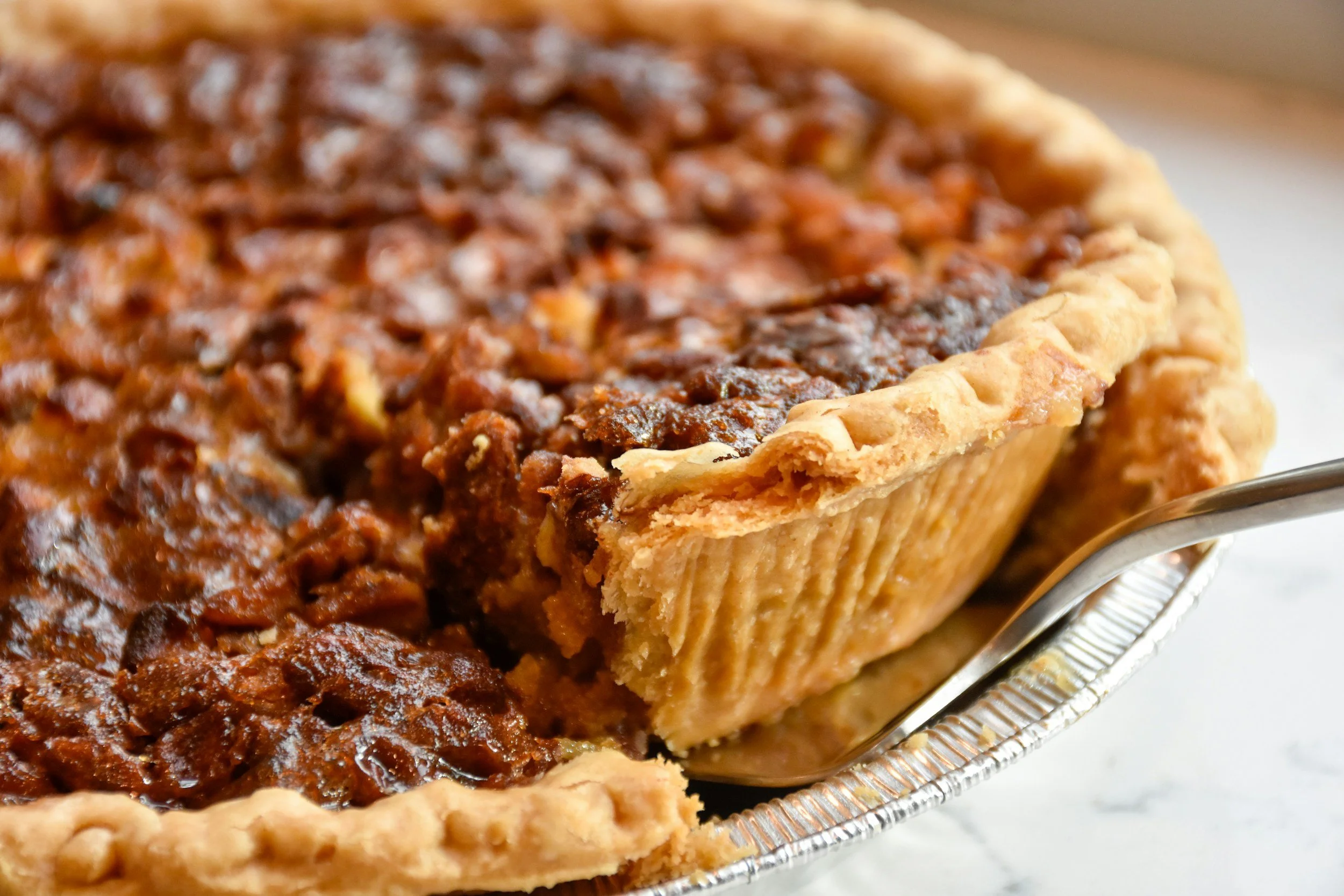
The Amber Alchemy: The "Happiness" Pecan Pie
A single recipe card from a dear friend has completely transformed the atmosphere of my kitchen. With a shy smile, she told me this was a recipe for "Happiness Pecan Pie." As I calmly prepared the pecans and the crust, following her gentle guidance, a rich, toasted aroma began to fill the house. That was when I reached for her "cheat code" a traditional Korean sweetener called Jocheong (Fermentated Rice Syrup).
The moment the Pecan Pie, a quintessential Western dessert, met the classical sweetness of Korea, the result was more than just a "flavor." It was a healing experience that caressed the soul.
The Velvet Abundance: The Richness of Jocheong
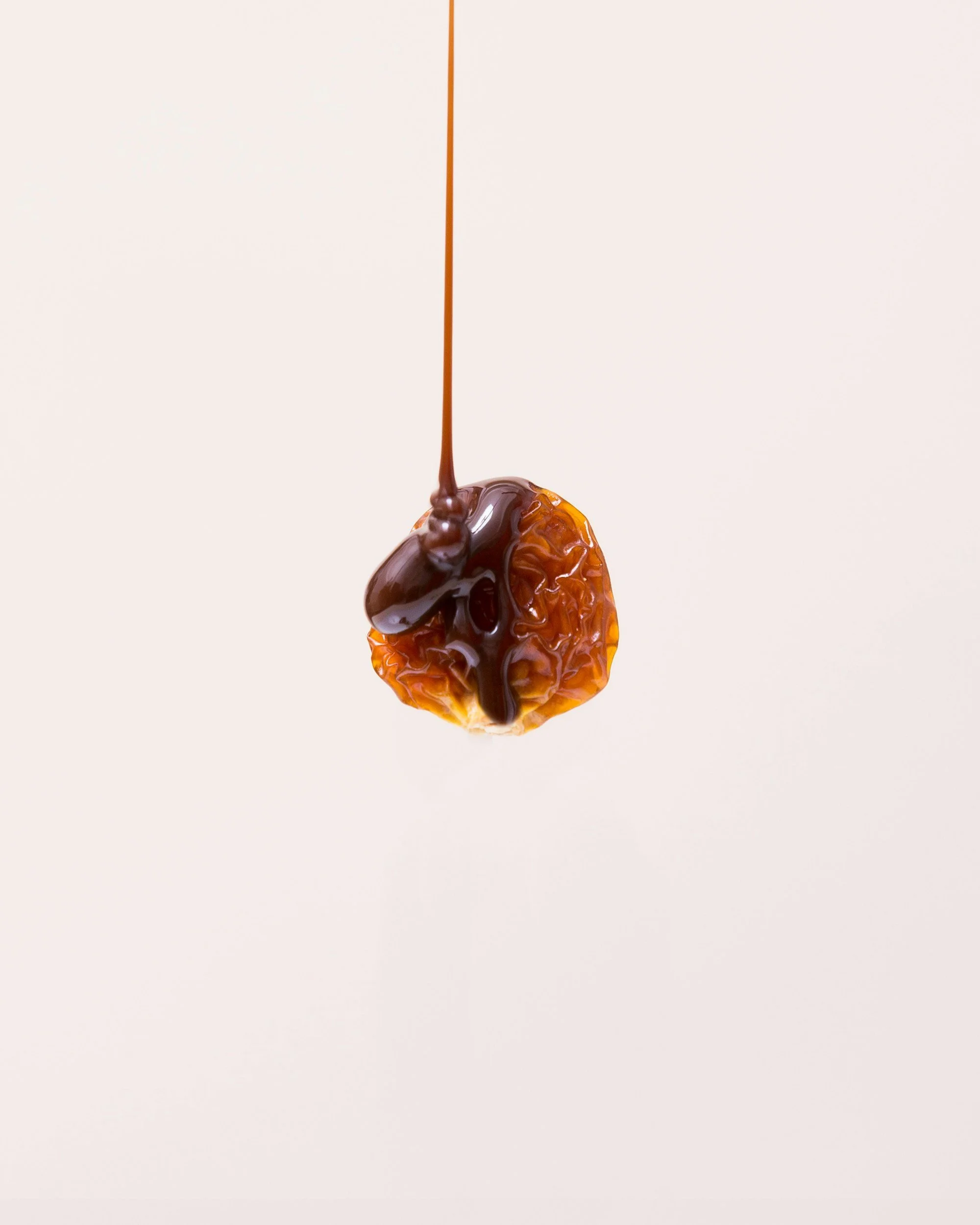
Jocheong is a multi-layered experience. In ancient Korea, when natural bee honey was a rare luxury reserved for royalty and the elite, our ancestors used the alchemy of fermentation to "create" their own honey from the humblest of ingredients: Grain.
While typical pecan pies often stimulate the palate with the sharp, clean sweetness of refined sugar, a pie infused with Jocheong offers a calm, heavy, and "comforting sweetness." The luscious filling, created by the union of rice syrup, eggs, and butter, tenderly embraces the buttery richness of the pecans.
The velvety texture you feel with each bite is "Abundance" itself, filling the mouth with the very essence of autumn. Jocheong’s density does not sit heavy on the tongue; instead, it melts softly at body temperature, as if satiating the hunger of the heart.
The Digestive Muse: Jocheong, "Human-Made Honey" Crafted by Time
The true protagonist of this pie is, in fact, the Jocheong. The name Jocheong (造淸) literally translates to "Clear Honey Made by Human Hands." In an era when honey was rare and precious, our ancestors crafted this golden nectar by simmering grains and malt (barley enzymes) for long hours.
A Legacy of Wisdom: Records show that crown princes of the Joseon Dynasty would take a spoonful of Jocheong before starting their studies. This was because it provided an immediate source of glucose—the brain’s primary fuel—while simultaneously "clearing the mind." In Korean culinary culture, Jocheong has long symbolized sincerity, purification, and gentle harmony.
Alchemical Fermentation: In K-Medicine, Jocheong is regarded as a medicinal food that "warms the spleen and stomach while aiding digestion." Unlike refined sugar, which causes rapid glucose spikes and burdens the gut, Jocheong is a complex carbohydrate created through fermentation. This ensures that even when enjoyed as a post-meal dessert, it feels comfortable and prevents bloating.
The Synergy of Jocheong and Nuts: An Alchemical Neutralizer
Beyond simple sweetness, Jocheong acts as an "Alchemical Neutralizer" that gently tames the physiological burdens inherent in nuts.
Neutralizing Anti-nutrients: All nuts contain Phytic Acid to protect their seeds, which can sometimes interfere with our digestive enzymes. Jocheong, however, is a crystallization of enzymes. These living enzymes help break down the dense structure of the nuts, acting as a perfect Cofactor to assist in cellular absorption.
The Shield Against Oxidation: The unsaturated fatty acids in nuts can easily oxidize when exposed to air, creating harmful free radicals. The Melanoidins—natural antioxidants produced during the making of Jocheong—act as a "Golden Shield," coating the nuts to prevent lipid oxidation.
Warmth for the Soul: From a K-Medicine perspective, nuts are somewhat heavy and oily, which can be taxing for those with weak digestion. The warm and tonifying nature (溫) of Jocheong neutralizes the cold, oily properties of the nuts, ensuring the mind stays clear and the stomach stays at peace.
"The subtle bitterness and digestive burden that nuts carry to protect themselves are gently tamed by the fermentation enzymes and warm properties of Jocheong. This is not just a combination of sweet flavors; it is a 'Healing Neutralization' process designed to make the nutrition of the nuts entirely our own."
In conclusion, while Jocheong is not a "poison antidote" in the literal sense, it is undeniably an incredibly intelligent Cofactor that biochemically compensates for the risks of enzyme inhibition and lipid oxidation.
The Soulful Insight: The Jocheong Pairing
The Omega-3 fatty acids found in walnuts and pecans are natural tonics that awaken brain function. By adding Jocheong—which aids digestion and neutralizes biological burdens—this recipe becomes more than a dessert. It is a "Soulful Prescription" that comforts a weary mind and brings a sense of sweet, profound happiness.
When you bake your next Pecan Pie, try mixing in some walnuts. The slight bitterness of the walnut and the elegant richness of the pecan will perform a perfect ensemble atop the golden silk of the Jocheong.
The Ritual Recipe: Happiness Pecan Pie (with Jocheong)
This is the very "Prescription for Happiness" I received from my friend, enhanced with the healing alchemy of Jocheng. The scent wafting from your oven is where the therapy begins.
The Flourless Almond-Base Pecan Pie
For those seeking a grain-free, nutrient-dense ritual, this almond-flour version offers a sophisticated crunch and an enhanced nutty profile that pairs beautifully with the medicinal sweetness of Jocheong.
[The Elements]
The Crust (Almond Shortbread): 2 cups Almond Flour, 3 tbsp Melted Butter (or Coconut Oil), 1 Egg Yolk (Essential for binding), a pinch of Sea Salt.
The Jewels: 150g–200g Pecans & Walnuts (Lightly toasted).
The Amber Filling:
180ml Jocheong (Rice Syrup)
2 tbsp Unsalted Butter
3 Large Eggs (At room temperature)
1/2 tsp Cinnamon, 1 tsp Vanilla Extract, a pinch of Salt
[The Process]
Crafting the Base: Combine crust ingredients until they hold together like damp sand. Press firmly into a 9-inch pan. Pre-bake at 170°C (340°F) for 10–12 minutes until lightly golden and set.
The Amber Reduction (Crucial Step): In a small saucepan, combine the Jocheong and butter. Bring to a gentle simmer over low heat for 2–3 minutes, stirring constantly. This evaporates excess moisture and deepens the amber hue.
The Cooling: Remove the Jocheong mixture from the heat and allow it to cool to room temperature. This patience is vital; if the mixture is too hot, it will scramble the eggs in the next step.
The Golden Union: Once the Jocheong has cooled, whisk in the eggs one by one, followed by the cinnamon, vanilla, and salt. Whisk gently to avoid excessive bubbles, keeping the custard dense and soulful.
The Transformation: Arrange the toasted nuts in the pre-baked crust and pour the cooled filling over them. Bake at 160°C (320°F) for 35–40 minutes.
The Rest: Let the pie cool completely. This allows the Jocheong and almond oils to settle into a perfect, sliceable harmony.
The Apothecary’s Pro-Tip
"Jocheong has a lower burning point than refined sugar due to its natural enzymatic structure. Keep a close eye on your oven; if the crust begins to darken too quickly, gently tent it with foil.”
“By gently simmering the Jocheong and butter first, you are initiating a 'pre-caramelization' that mimics the depth of aged honey. Remember to cool the mixture thoroughly before adding the eggs; this ensures a silken, uniform texture that feels like a warm embrace on the palate."
#PecanPie #Jocheong #RiceSyrupRecipe #KWellness #TheSoulfulApothecary #DigestiveHealth #BrainFood #HealthyBaking #TraditionalKoreanMedicine #HealingDesserts