3 tailored steps to reset your digestion
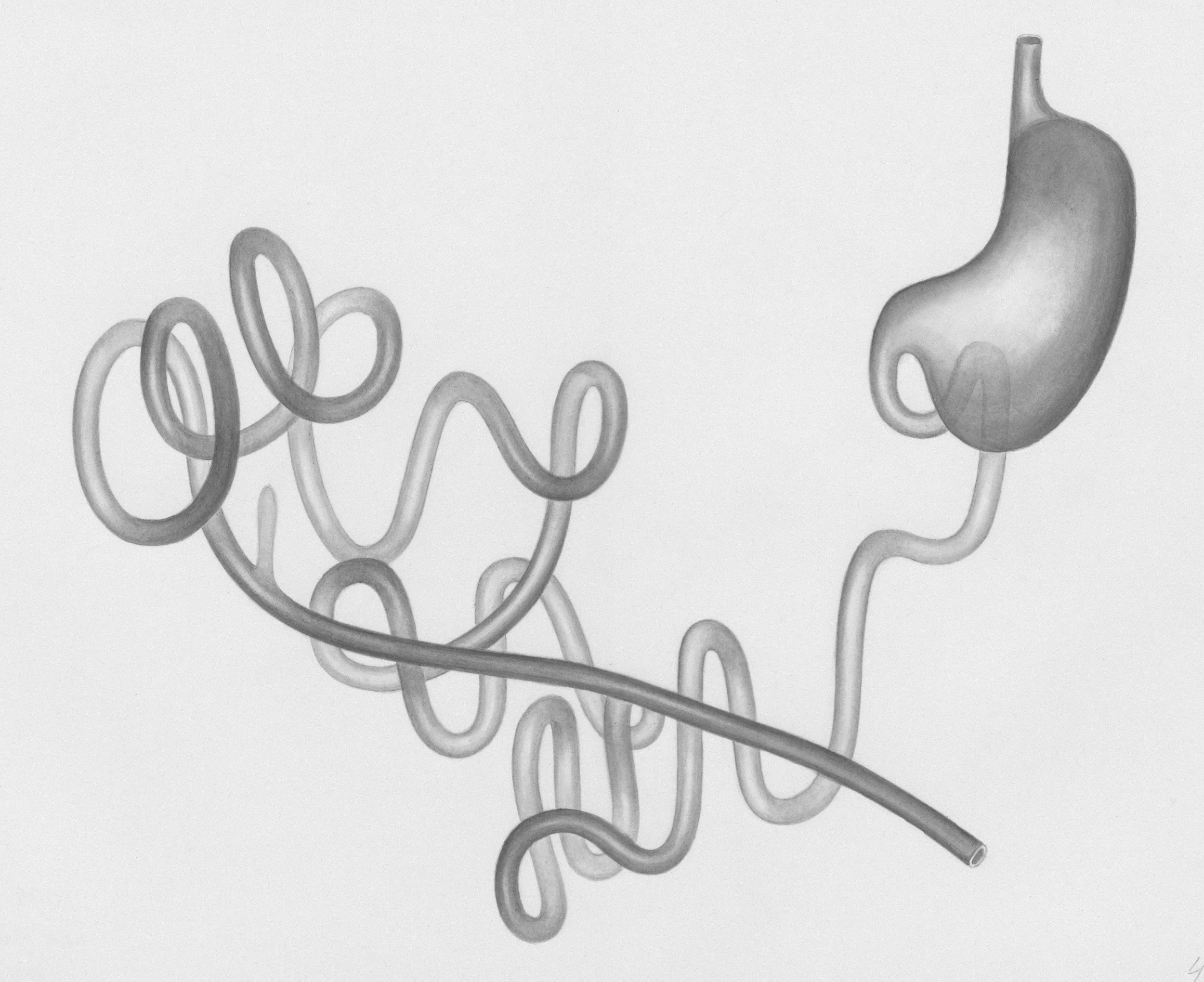
Does your day begin with a familiar, uncomfortable constriction? The morning chill still lingering outside, yet inside, your stomach feels like a tightly wound knot.
Perhaps you have tried everything: eliminating gluten, chugging cold celery juices, or relying on synthetic over-the-counter laxatives that leave you feeling drained rather than restored. In our hyper-accelerated modern lives, we often treat our digestion as a mechanical malfunction, a machine to be forced into compliance.
But your gut is not an engine; it is a mirror. In Traditional East Asian Medicine, particularly the sophisticated framework of Constitutional Medicine, the digestive system (Pi-Wei system) is recognized as the emotional and physical fulcrum of human vitality which generate blood. When we experience chronic stress, environmental pressures, or consume foods mismatched to our unique constitutional blueprint, this fulcrum fractures.
From a Western biomedical lens, this mirrors a profound disruption in the gut-brain axis and an imbalance in the autonomic nervous system (ANS). When you rush through meals or dwell in chronic anxiety, your body shifts into sympathetic dominance ("fight or flight"), actively diverting blood flow away from the enteric nervous system. The result? Sluggish peristalsis, diminished gastric acid secretion, and that pervasive, heavy bloating.
True wellness is not about forcing the body into submission; it is about a calibrated return to harmony through personalised nourishment.
When it comes to chronic upper gastrointestinal distress, my observation reveals three distinct constitutional types, each requiring a precise, personalised approach.
The Asthenic, Cold Stomach type (선천성 위무력 체질)
The Profile: Individuals who are congenitally predisposed to a small, atonic, or sluggish stomach. You likely feel full after a few bites, suffer from cold extremities, and experience heightened distress after consuming iced drinks or raw, uncooked foods.
The Pathophysiology: This corresponds to a deficiency in Stomach Qi and Yang energy, leading to low bioavailability of nutrients due to poor gastric motility.
The Solution: You must completely avoid refined wheat flours and cold energetics. Your gut requires warm, deeply cooked, easily digestible wholefoods consumed in small, frequent intervals to gently stimulate the production of digestive enzymes without overwhelming the stomach.
The Gastric Heat & Mucosal Fragility type (성질재간형 위장병)
The Profile: The fast-talking, fast-moving individual driven by an intense temperament who frequently suffers from burning gastric pain, acid reflux, or has been diagnosed with chronic gastritis or intestinal metaplasia.
The Pathophysiology: Rushing through life creates what we term Stomach Fire, which literalizes as chronic mucosal inflammation and oxidative stress.
The Solution: The single most potent, scientifically verified medicine costs nothing: mastication. Human saliva is not merely a lubricant; it is an important fluid packed with Epidermal Growth Factor (EGF) and salivary amylase. Chewing each mouthful meticulously allows your own biological cofactors to coat the food, accelerating the repair of damaged gastric tissue and down-regulating mucosal inflammation.
The Tense, Neurogenic Stomach (자율신경성 소화불량)
The Profile: Your digestion is tied entirely to your mood. When stressed, your abdomen feels physically hard, rigid, and painful to the touch—yet clinical endoscopies reveal no structural abnormalities.
The Pathophysiology: This is classic Liver Qi Stagnation invading the Stomach system, a direct manifestation of chronic cortisol elevation shifting the body out of its rest-and-digest parasympathetic state.
The Solution: Standard chemical laxatives or digestive enzymes will fail here because the root cause is neurological. True relief comes from modulating the central nervous system through somatic rituals: targeted mindfulness meditation, intentional deep diaphragmatic breathing, and grounding earthing practices (barefoot walking) to reset your vagal tone and soften the abdominal fascia.
True healing begins when
you finally listen to the unique voice of your own body.
The signals your stomach sends are not a punishment, but a sincere invitation
from your body to pause and care for yourself.
Indigestion is never a one-size-fits-all issue; it demands nuanced, distinct approaches.
Whether it is warming a cold, sluggish stomach, slowing your frantic pace to
chew mindfully, or soothing tightly wound nerves with deep diaphragmatic
breaths, these actions play a pivotal role in tuning your Pi-Wei system and
generating healthy blood.