The Implantation Timeline: A Day-by-Day Journey
The Dawn of Antai and Taijiao
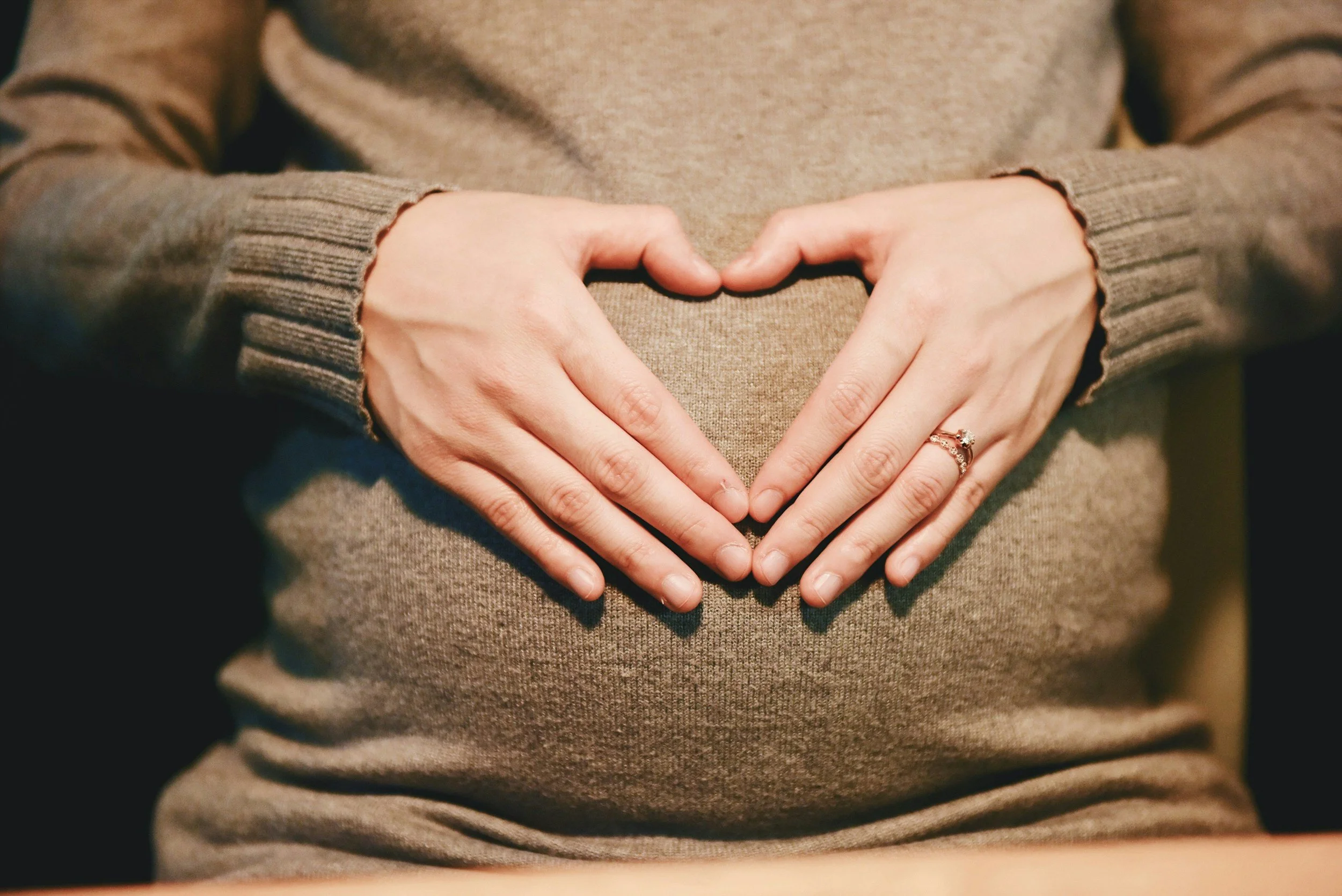
The period following an embryo transfer, often called the two-week wait, is one of the most emotionally significant stages of the fertility journey.
From a biomedical perspective, it is a time of remarkable cellular activity as the embryo develops, implants, and begins communicating with the maternal body. In Traditional East Asian Medicine, it is regarded as the beginning of Antai (安胎), the practice of calming and supporting early pregnancy, and Taijiao (胎教), the cultivation of a nurturing environment for both mother and child.
While modern reproductive medicine carefully observes the biological processes that support implantation, traditional medicine focuses on creating conditions that promote rest, warmth, nourishment, and emotional steadiness. Together, these perspectives remind us that early pregnancy involves both physical and emotional care.
The Journey of Early Implantation
Embryo development begins when sperm and egg unite. During the first few days, cells divide rapidly while remaining the same size. By days five to seven, the embryo reaches the blastocyst stage and becomes ready for implantation. For those undergoing a Day 5 embryo transfer, the days that follow represent a remarkable process of attachment, communication, and growth.
Days 1–2: Hatching and First Contact
The Physical Process
The blastocyst emerges from its protective outer shell and begins making contact with the uterine lining.
The Traditional Perspective
This stage represents a transition from movement toward settling. Traditional approaches focus on supporting smooth circulation, adequate warmth, and a calm internal environment.
Days 3–5: Implantation and Early Nourishment
The Physical Process
The embryo embeds within the uterine lining, establishing the earliest foundations of the future placenta and fetus.
The Traditional Perspective
The emphasis shifts toward nourishing Blood and Yin, the substances traditionally associated with rest, nourishment, and stability. Gentle routines and emotional calm are often encouraged during this phase.
Days 6–7: The First Signals
The Physical Process
Cells that will become the placenta begin producing human chorionic gonadotropin (hCG), the hormone that signals pregnancy to the body.
The Traditional Perspective
Attention is directed toward conserving energy and supporting the body's capacity to sustain this new developmental process.
Days 8–10: Growth and Adaptation
The Physical Process
The embryo continues to develop rapidly as hormone levels rise. Some individuals may notice subtle changes such as fatigue, breast tenderness, thirst, or mild cramping, while others experience no symptoms at all.
The Traditional Perspective
As physical changes begin to unfold, practices that promote emotional steadiness and restorative rest become especially valuable.
Days 11–13: The Window of Clarity
The Physical Process
By this stage, hCG levels may become detectable through blood testing and, in some cases, highly sensitive home pregnancy tests. For Day 3 embryo transfers, this window may occur
slightly later due to the additional developmental days required before implantation.
The Three Pillars of Receptivity
Traditional East Asian Medicine views implantation as a process supported by the harmonious interaction of several physiological systems.
Kidney Yang provides warmth and vitality.
Yin and Blood provide nourishment and substance.
Liver Qi supports the smooth movement of energy and emotional balance.
Rather than acting independently, these systems work together to create an environment of receptivity and support.
The Essence of Antai and Taijiao
The two-week wait can often feel like a period of uncertainty. Traditional medicine offers a different perspective: an invitation to cultivate trust, patience, and gentle care. Historically, Taijiao was not understood as teaching a child concepts before birth. Rather, it reflected the belief that a mother's environment, daily experiences, and emotional wellbeing contribute to the atmosphere surrounding early life. Whether viewed through traditional wisdom or modern psychology, caring for oneself during this time remains deeply meaningful.
Daily Practices for the Two-Week Wait
Maintain Gentle Warmth
Keeping the lower abdomen, lower back, and feet comfortably warm is a longstanding recommendation within traditional fertility care. Warmth is associated with comfort, circulation, and relaxation.
Choose Nourishing Foods
Warm, easily digested meals such as soups, stews, porridges, and cooked vegetables may feel grounding and supportive during this period.
Protect Your Peace
Constant symptom-checking and online searching can sometimes increase stress rather than provide reassurance. Creating space for rest, quiet reflection, gentle movement, and meaningful connection can help support emotional wellbeing throughout the waiting period.
A Gentle Reflection
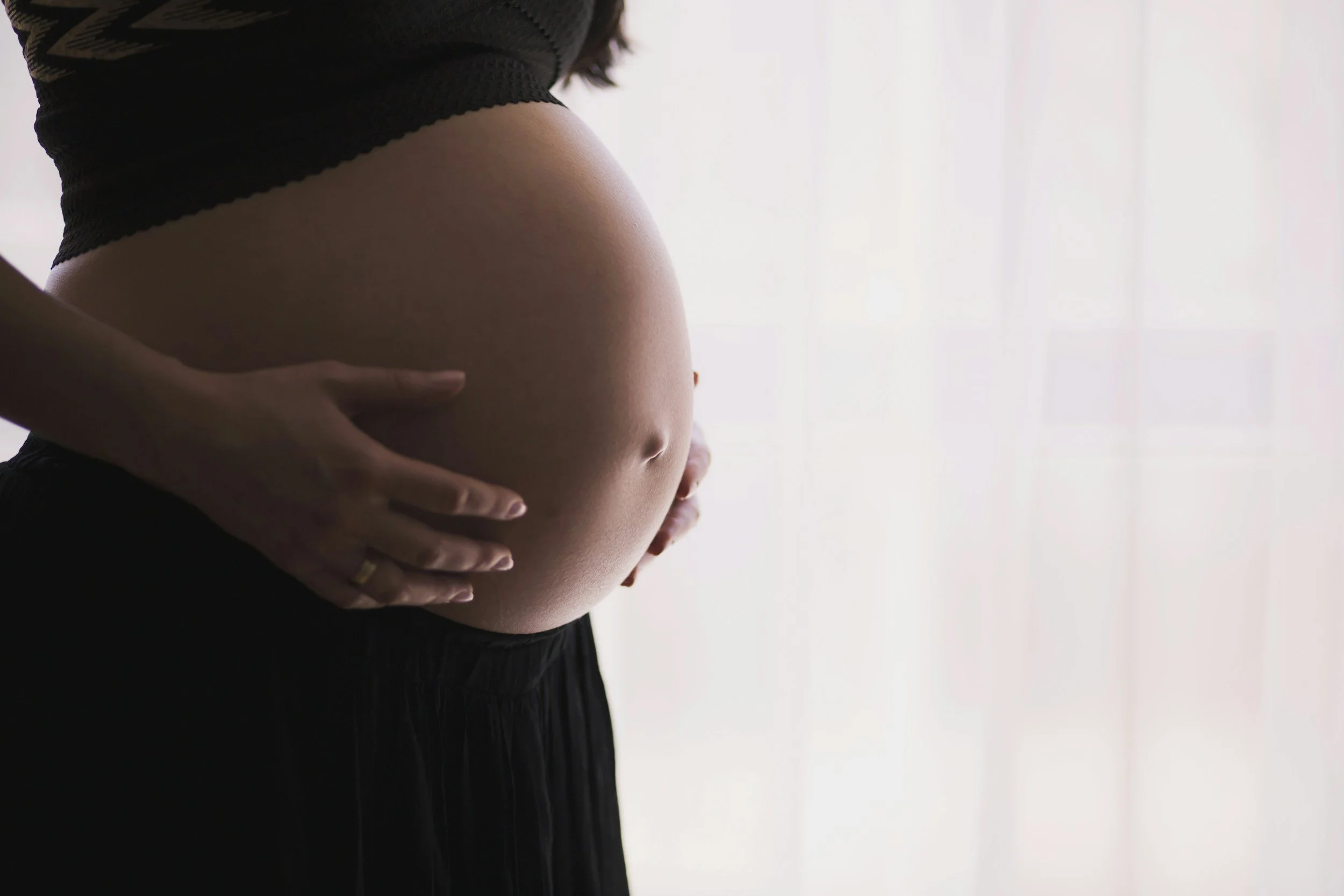
The two-week wait is often described as a period of waiting. Yet beneath the surface,
extraordinary things may be unfolding. Whether you are feeling hopeful, anxious,
excited, uncertain, or all of these at once, know that these emotions are part of a
deeply human experience.
This is a time to offer yourself the same care, patience, and compassion you would
offer someone you love. Your body is working in ways both seen and unseen.
For now, the invitation is simple: Rest. Nourish. Trust the process one day at a time.
