3 golden rules for choosing the right vinegar
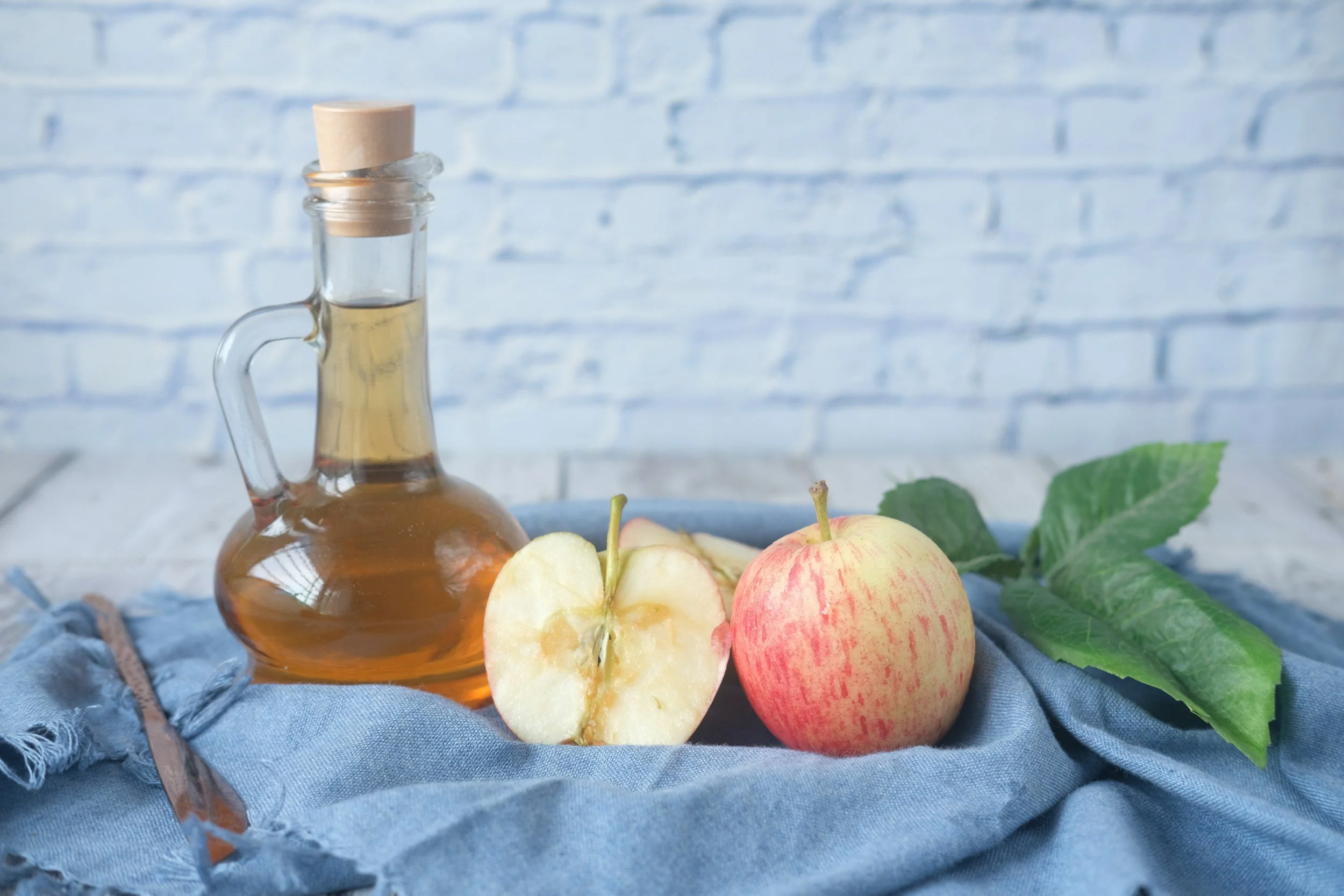
Apple Cider Vinegar with the Mother for blood sugar
The Secret to Taming Glucose Spikes: The Vinegar
Do you find yourself fighting sudden drowsiness or a "brain fog" after lunch? Or perhaps you feel an insatiable emptiness that drives you toward sugary snacks, even though you’ve just finished a full meal?
These symptoms might be more than just a simple "food coma." They are often the hallmark of a Glucose Spike—a rapid rise and subsequent crash in blood sugar levels. When these spikes happen repeatedly, the pancreas overproduces insulin, eventually leading to insulin resistance and increasing the risk of chronic conditions like Type 2 diabetes.
However, there is a surprisingly simple and accessible ritual to mitigate these spikes: Vinegar.
Today, we will explore the synergy between ancient wisdom and modern nutritional science. We will identify who can benefit most from this "Vinegar Therapy" and how to integrate this powerful habit into your daily life. You will discover that vinegar is not merely a condiment; it is a tool for finding your Balance and helping your health Flourish.
The Science of Acetic Acid: How it Governs Your Flow
The core component of vinegar, Acetic Acid, performs several scientifically proven functions in managing post-meal blood sugar:
Slowing Digestion: Acetic acid delays the movement of food from the stomach to the small intestine. This slows the absorption of glucose into the bloodstream, smoothing out the glucose curve.
Enhancing Insulin Sensitivity: Research suggests that vinegar consumption helps cells respond more effectively to insulin. This is crucial for those with insulin resistance, as it reduces the "overload" on the pancreas.
Enzyme Inhibition: Acetic acid temporarily interferes with the activity of certain digestive enzymes (like amylase), reducing the rate at which complex carbohydrates are broken down into glucose.
Clinical Evidence: Numerous reliable studies confirm that a tablespoon of vinegar diluted in water before a meal can significantly reduce glucose spikes. Recent meta-analyses have reaffirmed its efficacy in lowering postprandial glucose levels in both Type 2 diabetics and healthy adults.
References for Further Reading:
3 Golden Rules for Choosing the Right Vinegar
Vinegar is born from the "double fermentation" of alcohol. Barley becomes beer, grapes become wine, and when that alcohol meets oxygen and acetic acid bacteria, it transforms into vinegar. However, not all vinegars offer the same soulful benefits. Here is how to choose:
1. Check the Fermentation Method: Natural vs. Distilled
The most important criterion is how the vinegar was birthed.
| Type | Process | Health Benefits |
|---|---|---|
| Naturally Fermented | Grains or fruits are fermented into alcohol, then naturally converted into vinegar. | Rich in organic acids, amino acids, vitamins, and micronutrients. Offers deep flavor and complexity. |
| Distilled / Synthetic | Ethanol is diluted with water and fermented rapidly, or acetic acid is simply diluted. | Cheap and mass-produced, but lacks the complex nutrients and "soul" of natural fermentation. |
Tip: Check the label at the market. If the ingredients list simple whole foods like "Brown Rice," "Apple," or "Grape" without added alcohol/ethanol, it is a superior choice.
2. Look for the "Mother"
This is particularly vital when choosing Apple Cider Vinegar (ACV).
What is the "Mother"? It is a murky, cobweb-like substance composed of beneficial bacteria and cellulose.
The Benefit: The "Mother" contains live enzymes and probiotics that support gut health and digestion.
Selection Criterion: Choose "Unfiltered" and "Raw" vinegar. If there is sediment at the bottom or the liquid looks cloudy, you have found the right one.
3. Avoid Hidden Sugars and Additives
To mask the sharp acidity, many commercial products add sugar, high-fructose corn syrup, or artificial flavorings.
Check the Sugar Content: Pure vinegar should have near-zero sugar. Be especially wary of vinegars processed for salad dressings (like some Balsamic glazes), as they are often high in hidden sugars.
The Soulful Synergy: Customized "Blood Sugar Vinegars"
In my clinical practice, I often prescribe "functional vinegars." You can create a synergy by infusing your vinegar with natural botanicals that specialize in glucose regulation.
A. Bitter Melon (Yeo-ju) Infusion
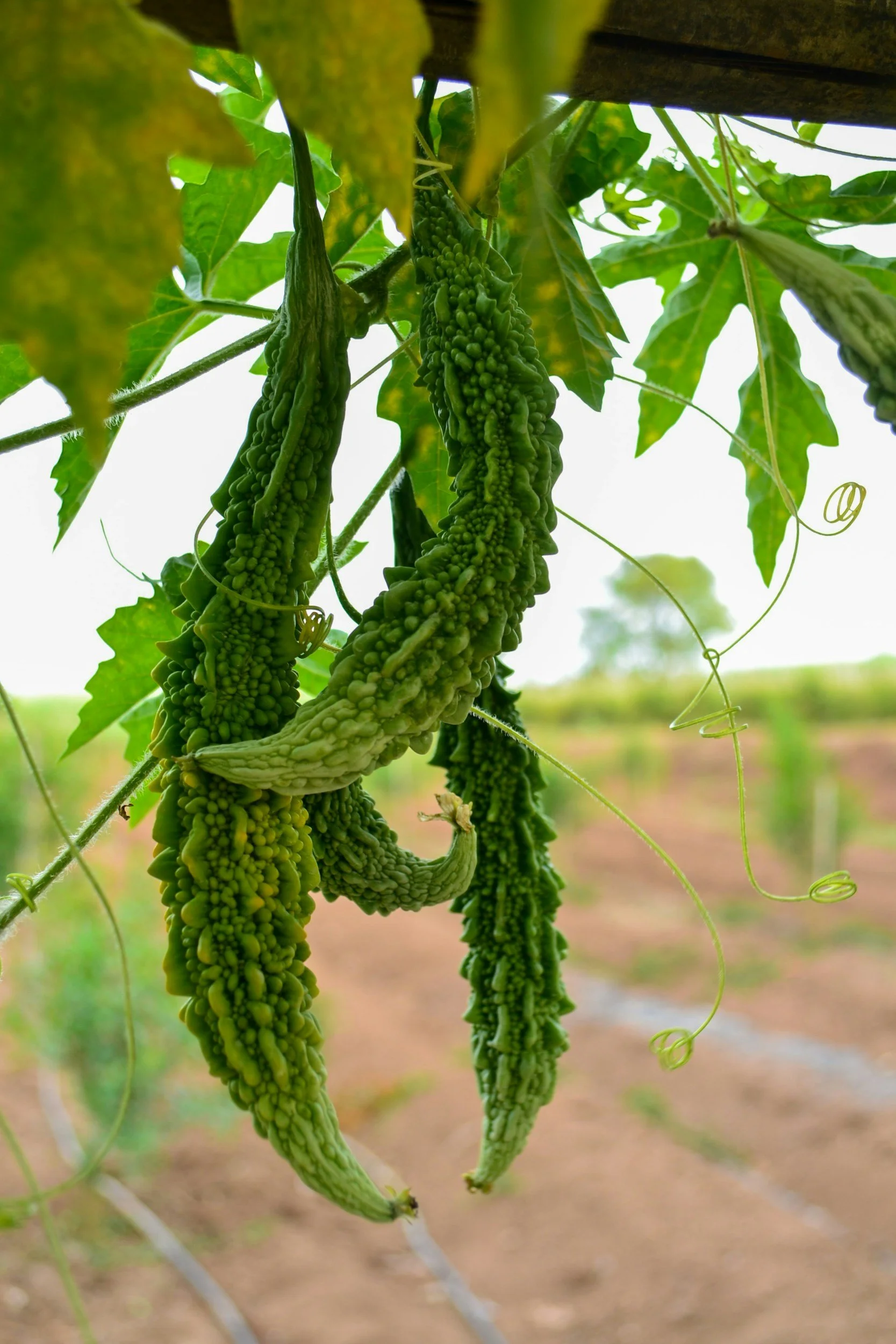
The Power: Known as "Nature's Insulin," Bitter Melon contains Charantin and Polypeptide-P, which mimic insulin action and improve glucose metabolism.
Ritual: Steep dried or fresh bitter melon in naturally fermented vinegar. Dilute and drink before meals. (Caution: Consult a professional if you are already on blood sugar medication to avoid hypoglycemia.)
B. Mulberry Leaf (Sang-yeop) Infusion
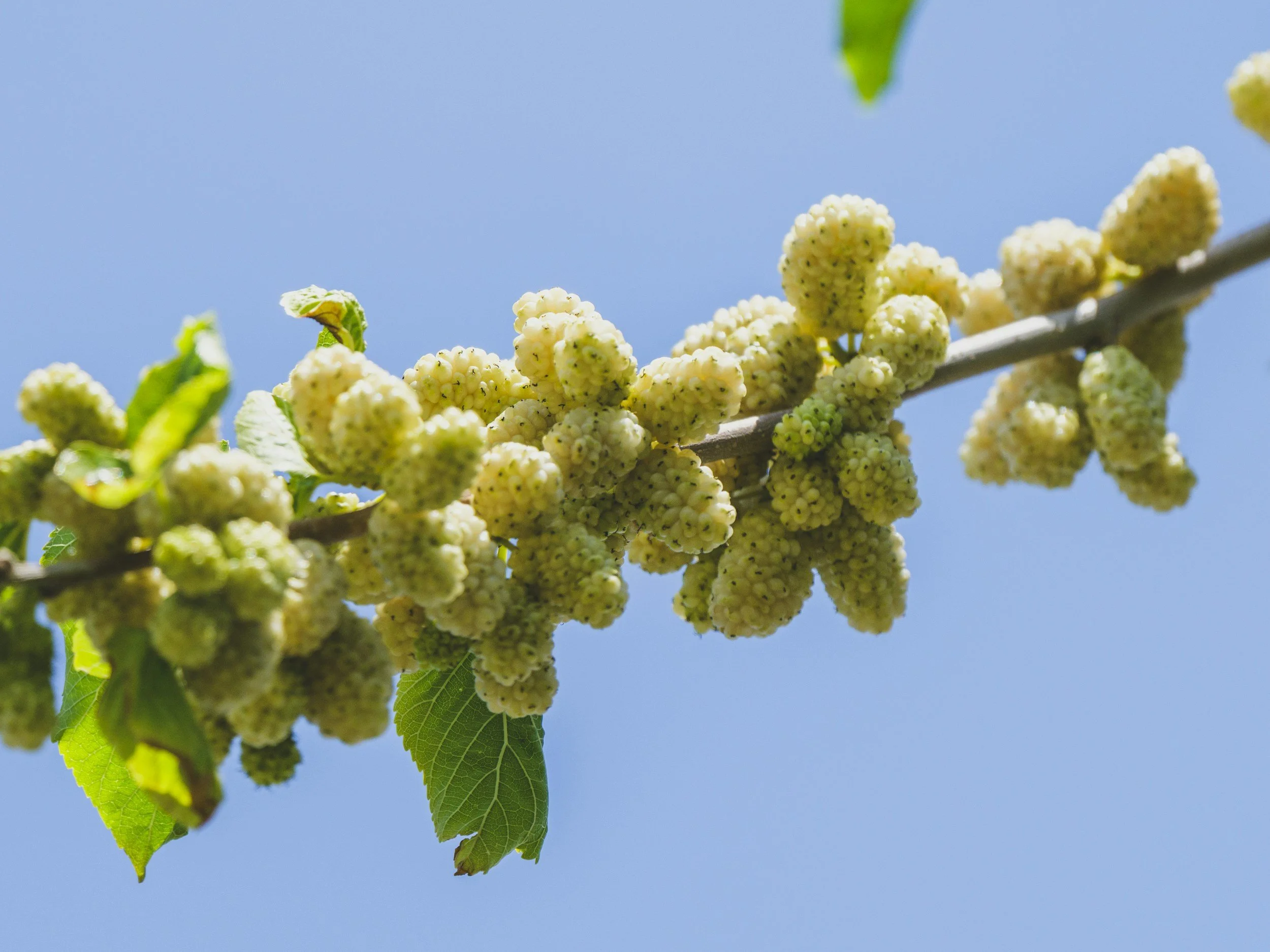
The Power: Rich in 1-Deoxynojirimycin (DNJ), which inhibits the enzyme (alpha-glucosidase) that breaks carbs into glucose.
Ritual: Mature dried mulberry leaves in vinegar. It has a mild taste, making it an easy addition to your daily routine.
C. Cinnamon (Gye-pi) Infusion

The Power: The polyphenols in cinnamon (specifically cinnamaldehyde) enhance insulin sensitivity. It acts as a "Natural Insulin" to prevent post-meal spikes.
Ritual: Keep a cinnamon stick in your vinegar jar or add a half-teaspoon of powder to your meal.
Final Thoughts from The Soulful Apothecary
I encourage you to view vinegar not just as a pantry staple, but as a "Living Tool for Vitality." Choose wisely according to your unique Constitution and health goals.
Precaution: Before beginning any new therapeutic ritual, especially if you have pre-existing conditions or are taking medication, please consult with a healthcare professional. This information is for educational purposes and does not replace medical advice.
K-Ritual: Brew Your Balance. Find Your Glow. Upgrade Your Health Today.
#Vinegar for blood sugar, #Glucose spikes, #Apple Cider Vinegar (ACV), #Acetic acid benefits, #Insulin sensitivity, #Post-meal lethargy
#TheSoulfulApothecary #BloodSugarBalance #GlucoseSpike #VinegarRitual #ACVBenefits #KWellness #MetabolicHealth #NaturalHealing #InsulinSensitivity #HealthyHabits