Ginko Sotbab (Ginkgo Nut Rice)
The Golden Guardian: Restoring the Lungs with the Ritual of Ginkgo Nut Rice
When the crisp, cold air begins to dry the lungs, our bodies start sending quiet signals. An unexplained dry cough, a lingering tightness in the chest, or a sudden dip in stamina. How do you respond to these whispers?
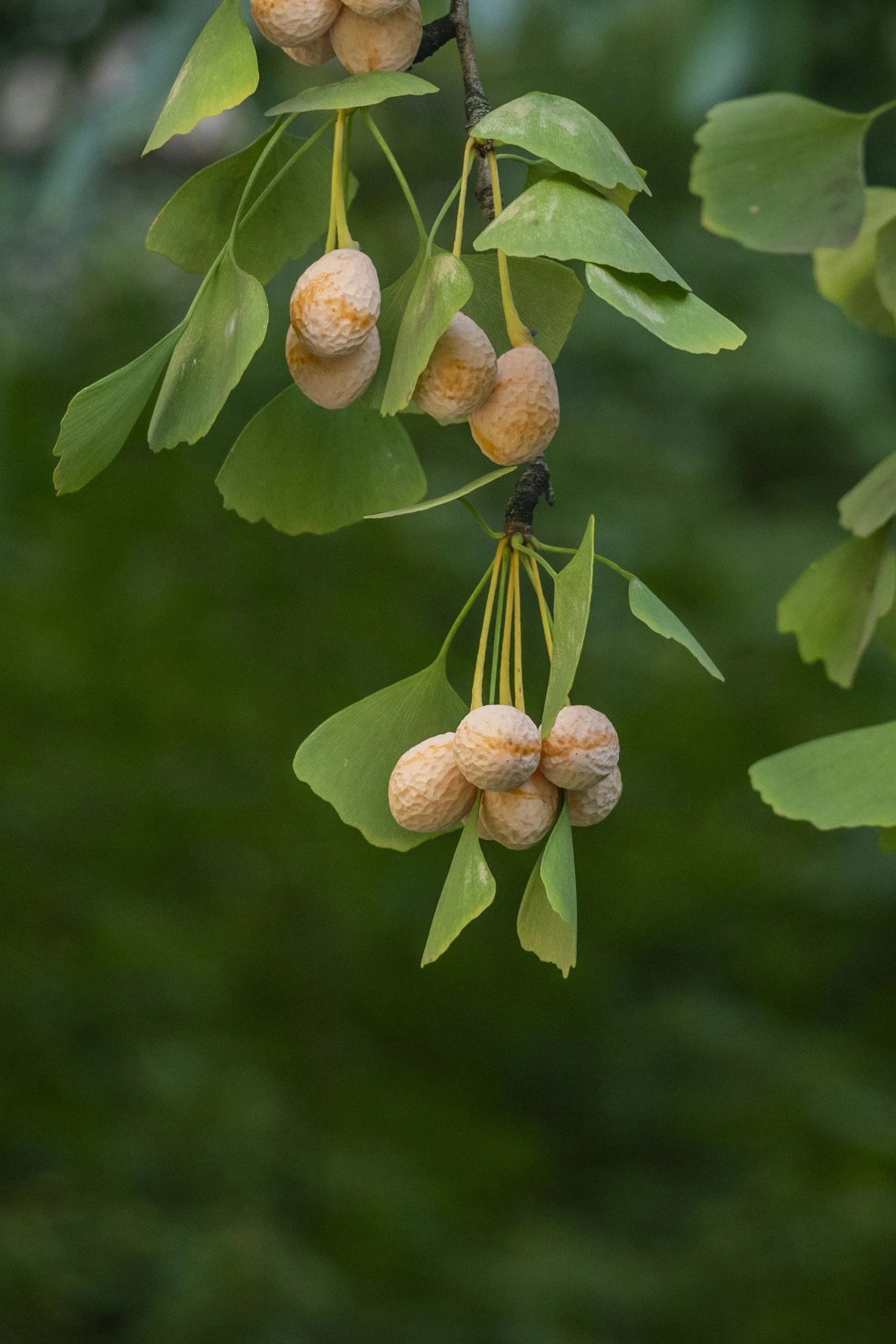
In the transition between autumn and winter, Oriental medicine treasures one particular botanical above almost all others: the Ginkgo Nut (Eun-haeng). These are not merely the pungent fruits fallen on the pavement; they are known as the "Golden Sentinels," prized ingredients that shield our respiratory and cardiovascular systems. Today, I invite you into a sensory ritual of Ginkgo Nut Rice, designed to converge your Qi and restore internal balance.
The Science of Shielding: Biologically Strengthening the Heart and Lungs
Why is the ginkgo nut so effective for respiratory and vascular health? Let us analyze its potency through the lens of modern pharmacology:
Pulmonary Convergence (Ginkgolide & Bilobalide): The ginkgolides found in ginkgo possess powerful anti-inflammatory properties. Specifically, they inhibit the Platelet-Activating Factor (PAF), reducing inflammation in the bronchial tubes and helping to dilate the airways for those struggling with asthma. In K-Medicine, this aligns perfectly with the principle of "Yeom-pae-jeong-cheon"—converging lung Qi to settle wheezing.
Vascular Grace (Flavonoids): The abundant flavonoids in ginkgo protect the vascular walls and improve capillary blood flow. This reduces the burden on the heart and ensures a smooth supply of oxygen to the brain, providing a vital safeguard against the vascular constriction common in winter.
The Astringent Quality: Ginkgo possesses a strong Astringent nature. It prevents energy from "leaking" out of the body, making it a traditional remedy for supporting bladder control and addressing chronic fatigue or digestive weakness.
The Recipe: Winter-Proofing with Ginkgo Nut Rice
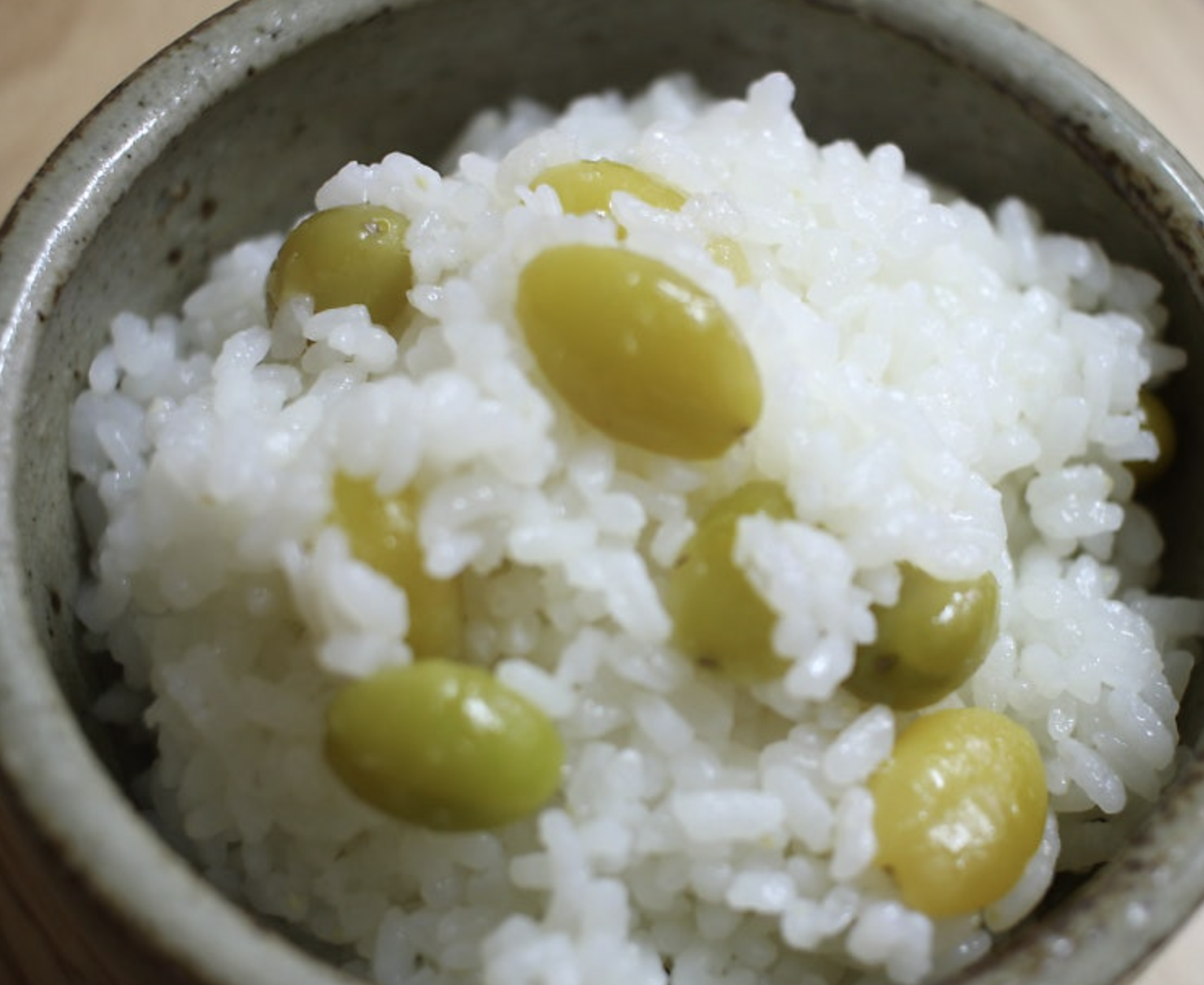
Preparing this dish is an act of patience and intention.
Here is how to craft this soulful meal:
[The Elements]
2 cups Organic Rice: (You may blend brown rice or glutinous rice depending on your constitution).
15–20 Ginkgo Nuts: (A daily intake of about 10 nuts per adult is recommended).
[The Alchemical Preparation]
Cracking the Shell: Use a nutcracker or a small mallet to gently crack the hard outer shells.
Toasting to Reveal: Place the nuts in a dry pan over low heat. As you slowly roll them, they will transform into a deep, vibrant amber. When the thin inner skins begin to lift, place them on a paper towel and rub gently to reveal the clean, jewel-like nut.
The Union: Place the prepared ginkgo nuts atop your washed rice. Use slightly less water than usual to achieve a firm, elegant texture.
The Slumber: After the rice is cooked, allow it to steam (rest) for 5 minutes. This allows the subtle, woody aroma of the ginkgo to infuse every single grain.
Botanical Synergy: The Wisdom of the Wholefood
We live in an era of Single Supplements, but true healing springs from the complex, synergistic interactions found only in Wholefoods.
In alignment with my philosophy of nutritional wholeness, a bowl of Ginkgo Nut Rice is far more than a collection of isolated compounds; it is a meal teeming with Cofactors that work in harmony. The mild, natural toxicity of raw ginkgo is beautifully neutralized through the alchemical process of heat, which simultaneously enhances its digestibility and cellular absorption.
The moment you face a steaming bowl of Ginkgo Nut Rice, the savory, slightly bitter scent of the forest drifts toward you. As you take that first spoonful, the chewy, dense texture of the nut and its deep, toasted flavor provide a warmth that begins deep within, radiating outward to thaw a chilled body.
#GinkgoNuts #Eunhaeng #KMedicine #RespiratoryHealth #VascularDetox #WholefoodNutrition #TheSoulfulApothecary #WinterRituals #GinkgoRice #LungHealth
References
Mahadevan, S., & Park, Y. (2008). Multifaceted therapeutic benefits of Ginkgo biloba L.: Chemistry, efficacy, safety, and uses. Journal of Food Science, 73(1), R14–R19. https://doi.org/10.1111/j.1750-3841.2007.00597.x
Chu, X., Ci, X., He, J., Wei, M., Yang, X., Cao, Q., ... & Deng, X. (2011). A novel anti-inflammatory role for ginkgolide B in asthma via inhibition of the ERK/MAPK signaling pathway. Molecules, 16(9), 7634–7648. https://doi.org/10.3390/molecules16097634