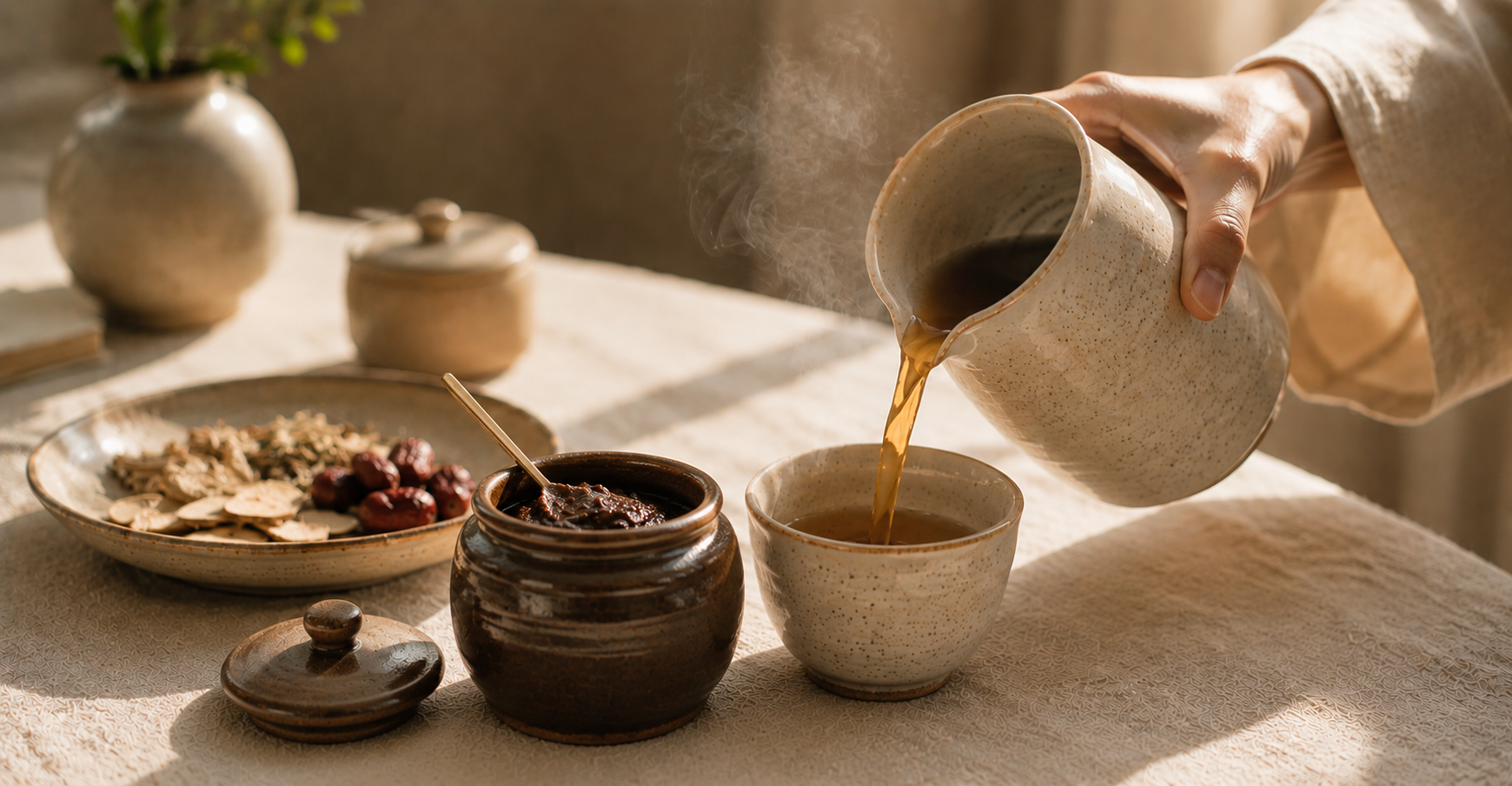
Boyak [補藥, 보약] therapy
Grounded in the study of Herbology and East Asian Pharmacopeia,
modern lifestyles, individual constitutions, and specific symptoms are
carefully analyzed to provide tailored prescriptions.
본초학 연구를 바탕으로 현대인의 라이프스타일, 개인의체질, 증상등을 분석하여 처방합니다.
Our remedies are sourced following the Di Dao (地道) philosophy utilizing herbs harvested from their authentic spiritual homelands, where the perfect synergy of soil, climate, and tradition unlocks their highest therapeutic potency.
토양과 기후, 전통이 어우러진 고유의 원산지에서 채취한 최고의 효능을 발휘하는 ‘디다오(地道)’ 철학 기반의 정통 약재를 처방합니다.
Di Dao Philosophy
The Secret to Anti-Aging Awakening the Body's Self-Healing Capacity
-
The Di Dao (地道) philosophy is a core principle of authenticity and quality in herbal medicine, stating that herbs grown in their absolute rightful soil and climate yield the highest therapeutic potency.
Highly comparable to the French concept of 'Terroir' used to determine the quality of fine wine, it embodies the ancient wisdom of Eastern medicine: just because plants share the same botanical name does not mean they possess the same medicinal value.
Three Core Elements of Di Dao
Geographical Origin (Right Place): Herbs must be cultivated in specific regions (Authentic Locality) that possess the unique soil composition, altitude, water quality, and sunlight where the species has thrived for thousands of years.
The Rhythm of Nature (Right Time): Without artificially accelerating growth, herbs are planted and harvested in strict accordance with the seasons and timing when their medicinal properties reach their peak.
Traditional Processing (Right Process): Rejecting mass-production methods, herbs undergo traditional processing—known as Pao Zhi (炮製)—to mitigate inherent toxicities and meticulously preserve their therapeutic efficacy.
-
The Korean tradition of Boyak (補藥, Tonic Herbalism) goes beyond merely treating disease; it represents the pinnacle of preventative care, filling existential deficiencies and restoring metabolic harmony to proactively maintain optimal health. As the characters suggest where 'Bo (補)' means 'to nourish or support' these tonics fortify the body’s immune defenses and replenish the vital essence (Zheng Qi) of the internal organs depleted by chronic stress and modern fatigue.
In Korea, Boyak is uniquely woven into the fabric of daily life, serving as a deeply personal, lifelong wellness tradition shared among families. From seasonal tonics prepared during transitional weather to safeguard family immunity, to Chongmyeong-tang (聰明湯) for enhancing a student's focus before critical exams, postpartum recovery tonics that clear stagnation, and restorative formulas gifted to aging parents to promote longevity. Boyak is as much a profound expression of love and care as it is a clinical intervention.
Today, this rich tradition has evolved into a sophisticated, evidence-based science. Grounded in meticulous research in herbal pharmacology, modern Boyak is tailored precisely to the individual’s unique constitution and lifestyle. By addressing contemporary ailments such as burnout, hormonal imbalances, and compromised immunity with scientifically verified, premium herbs, personalized Korean tonics offer a time-tested, intelligent solution for safeguarding the body's innate resilience and sustaining long-term vitality.
-
Korean Red Ginseng is the definitive pinnacle of the Di Dao (地道) philosophy, born from the perfect harmony of pristine climate, optimal soil, and thousands of years of cultivation wisdom. The Korean Peninsula possesses the ideal four-season temperature fluctuations, well-drained sandy loam, and unique microclimates essential for ginseng cultivation. This environment yields an overwhelmingly superior variety and concentration of ginsenosides (saponins), the core active compounds for immunity, compared to ginseng grown anywhere else in the world. It stands as the most honest testament to the Di Dao principle: that even if plants share the exact same botanical name, only the herb grown in its authentic spiritual homeland achieves its highest therapeutic potency.
Grounded in this uncompromising Di Dao philosophy, we selectively prescribe only premium-grade, artisan Korean Red Ginseng, cultivated in the country’s most pristine regions and verified through rigorous quality standards. To address the chronic burnout, compromised immunity, and vital energy deficiencies of modern individuals, we source only those roots that have patiently endured the natural rhythms of nature without artificial growth acceleration. Enhanced by decades of clinical expertise and precise herbal pharmacology, our customized red ginseng formulations are tailored strictly to each individual’s unique constitution, serving as the ultimate tonic to realign the body’s internal rhythms and awaken its deep, innate resilience.
-
Medicinal mushrooms have been revered for millennia in Eastern medicine as potent natural immunomodulators, utilized to fortify the body’s protective barriers and replenish vital essence (Zheng Qi). Highly valued species such as Reishi, Cordyceps, Lion’s Mane, and Turkey Tail are now heavily validated by modern science for their extraordinary therapeutic profiles. Rich in beta-glucans and unique polysaccharides, these adaptogenic mushrooms do not merely stimulate the immune system; they optimize it. They actively reduce chronic inflammation, regulate the nervous system to mitigate modern stress, and enhance cognitive clarity by clearing brain fog.
These exceptional fungi hold a profound place within Materia Medica, and their clinical success relies entirely on meticulous, constitutional tailoring. A prime example is Poria (Fu Ling, 茯苓), a cornerstone mushroom in Chinese medicine celebrated for strengthening the digestive system, resolving fluid retention (dampness), and deeply calming the mind.
Because even the most potent mushroom must align perfectly with an individual's unique internal balance to be effective, our clinic’s greatest strength lies in a tailored approach. By strictly adhering to the Di Dao philosophy and precisely analyzing your distinct constitutional patterns alongside modern lifestyle stressors, we formulate bespoke mushroom remedies that safely conquer burnout, restore baseline immunity, and awaken your body's innate capacity for lifelong vitality.
약용 버섯(Medicinal Mushrooms)은 수천 년간 동양의학에서 신체의 면역 장벽을 세우고 오장육부의 정기(正氣)를 북돋우기 위해 귀하게 여겨온 천연 면역 조절제(Immunomodulators)입니다. 영지(Reishi), 동충하초(Cordyceps), 노루궁뎅이(Lion’s Mane), 구름버섯(Turkey Tail) 같은 약용 버섯들은 현대 과학 연구를 통해서도 그 탁월한 효능이 입증되고 있습니다. 버섯 속에 풍부하게 함유된 베타글루칸(Beta-glucans)과 고유의 다당체 성분들은 신체의 면역 세포를 활성화하는 동시에, 만성 염증을 줄이고 신경계를 안정시켜 현대인의 스트레스 완화와 브레인 포그(Brain fog) 개선에 깊이 관여합니다
Who Can Benefit from Boyak?
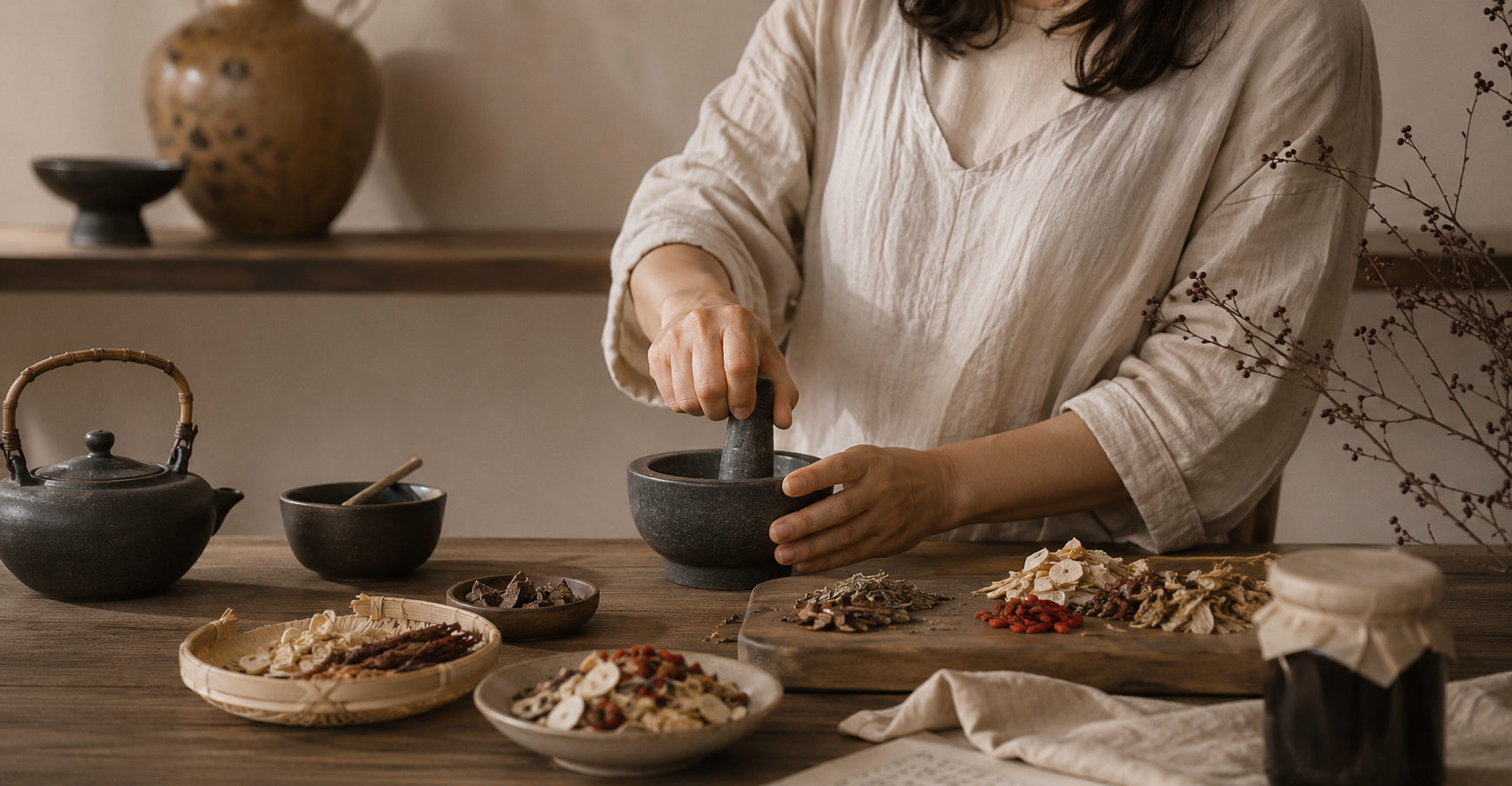
Boyak may be beneficial during periods of increased physical and mental demand, including preconception, pregnancy and postpartum recovery, high-performance lifestyles, and healthy aging. Signs that deeper nourishment may be needed can include persistent fatigue, difficulty waking in the morning, low motivation, poor appetite, and feeling depleted by everyday activities. Because no single tonic suits everyone, each prescription is carefully tailored to your unique constitutional pattern and underlying imbalance, ensuring support that is appropriate for your body's specific needs.

Types of Deficiencies

Qi Deficiency
-
Finding it remarkably difficult to wake up, feeling constantly heavy and exhausted even after resting.
-
Catching colds easily due to weakened defensive energy, accompanied by poor digestion or a loss of appetite.
-
In cases of Qi deficiency, Qi-boosting (Bu Qi) herbal remedies are prescribed to restore the foundational functions of the internal organs and enhance metabolism.
Blood Deficiency
-
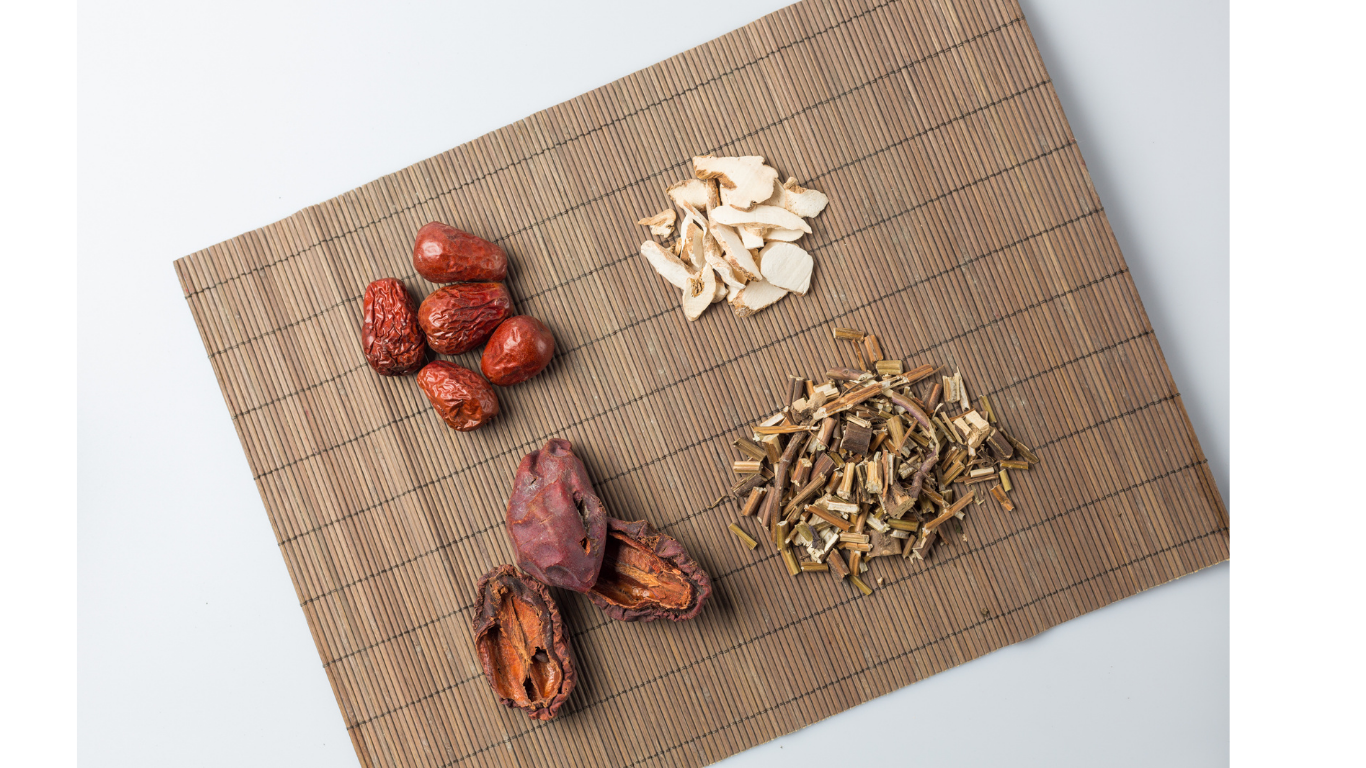
Feeling easily startled, experiencing emotional vulnerability, and having numbness or tingling in the hands and feet.
-
Feeling lightheaded, dizzy, or seeing spots upon standing up from a sitting or lying position.
-
Experiencing blurred or dry eyes, frequent forgetfulness, and a noticeable decline in memory concentration.
-
For those with Blood deficiency, we prescribe Blood-tonifying (Bu Xue) herbs to strengthen hematopoietic functions and deeply nourish the body.
Yin Deficiency
-
Hair becomes noticeably fine, brittle, and prone to shedding.
-
Persistent skin dryness and a tendency for the hands and feet to become cracked or chapped.
-
Flushed skin and frequent redness in the face caused by heat rising upward.
-
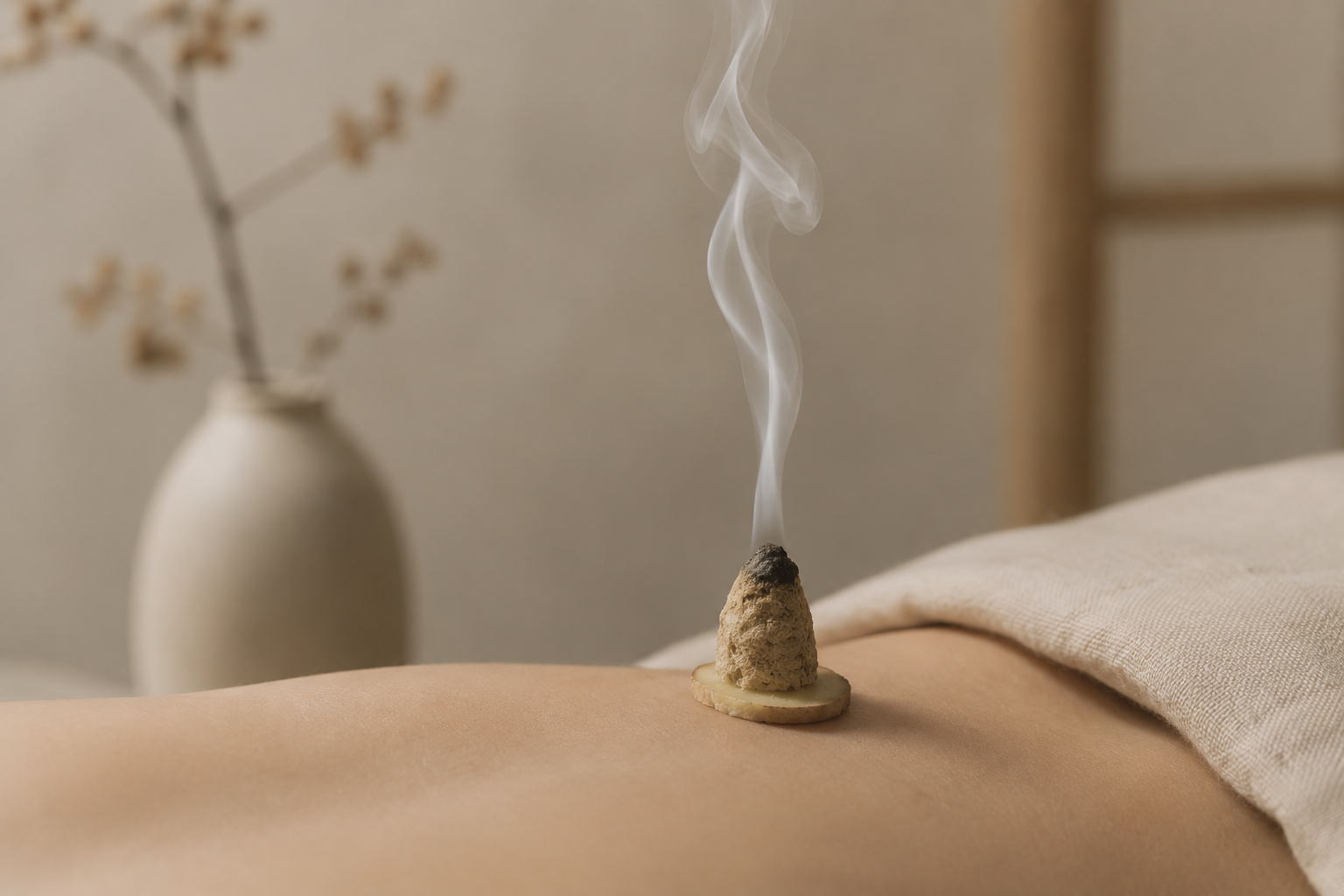
For those with Yin deficiency, we prescribe Yin-tonifying (Bu Yin) herbs to clear deficiency heat and facilitate the smooth circulation of Essence
Yang Deficiency
-
Being highly sensitive to the cold and constantly feeling a deep chill in the body.
-
A strong tendency to experience diarrhea or loose stools after consuming cold food or drinks.
-
A natural dislike or avoidance of cold environments and cold meals.
-
For those with Yang deficiency, we prescribe Yang-tonifying (Bu Yang) herbs to warm the body's core and deeply restore vital fire and yang energy
Frequently Asked Questions
-
We offer a range of solutions designed to meet your needs—whether you're just getting started or scaling something bigger. Everything is tailored to help you move forward with clarity and confidence.
-
Getting started is simple. Reach out through our contact form or schedule a call—we’ll walk you through the next steps and answer any questions along the way.
-
We combine a thoughtful, human-centered approach with clear communication and reliable results. It’s not just what we do—it’s how we do it that sets us apart.
-
You can reach us anytime via our contact page or email. We aim to respond quickly—usually within one business day.
-
We offer flexible pricing based on project type and complexity. After an initial conversation, we’ll provide a transparent quote with no hidden costs.
-
Collaborative, honest, and straightforward. We're here to guide the process, bring ideas to the table, and keep things moving.
Healing begins with understanding the body as a whole.
Whether you are seeking support for hormonal balance, fertility care, menstrual concerns, or long term wellbeing, treatment is guided through a thoughtful and personalised approach to care.