Acupuncture for Cancer Survivorship: Restoring Quality of Life Through Integrative Care
Beyond Treatment: Supporting Life After Cancer
For many people, the cancer journey does not end when treatment ends.
Pain, fatigue, sleep disturbances, emotional stress, and changes in physical function can continue long after surgery, chemotherapy, or radiation therapy have been completed. Even for those living well beyond diagnosis, the process of recovery often extends far beyond the treatment room.
This is where cancer survivorship care becomes essential.
As a practitioner, I am honoured to support patients through this stage of healing. Having completed advanced clinician and researcher training in integrative cancer care at a leading international cancer centre through a competitive scholarship program, I am committed to bringing evidence-informed, patient-centred approaches into clinical practice alongside conventional oncology care.
One of the most encouraging developments in recent years has been the growing body of research demonstrating how integrative therapies can meaningfully improve quality of life for people living with and beyond cancer.
What Is Integrative Cancer Care?
Integrative cancer care combines conventional medical treatment with evidence-based complementary therapies that support wellbeing throughout the cancer journey. Rather than replacing surgery, chemotherapy, immunotherapy, or radiation, integrative care works alongside them to help manage symptoms, reduce treatment-related side effects, and improve quality of life. Today, many leading cancer centres around the world incorporate therapies such as acupuncture, massage, nutrition support, exercise medicine, and mindfulness-based interventions as part of comprehensive cancer care. The goal is simple: Not only to treat the disease, but also to support the person living through it.
Pain, Fatigue, and Sleep Disturbance: The Hidden Burden of Survivorship
Pain remains one of the most common and challenging symptoms experienced by people living with cancer. Yet pain rarely exists in isolation. It is often accompanied by fatigue, poor sleep, reduced physical function, emotional distress, and a diminished sense of wellbeing. These symptoms can affect daily life long after active treatment has ended. While medications remain an important component of cancer pain management, many patients seek additional ways to improve their comfort and quality of life while minimizing treatment burden. This has led researchers to explore how integrative therapies may help address these complex and interconnected symptoms.
What the Research Shows
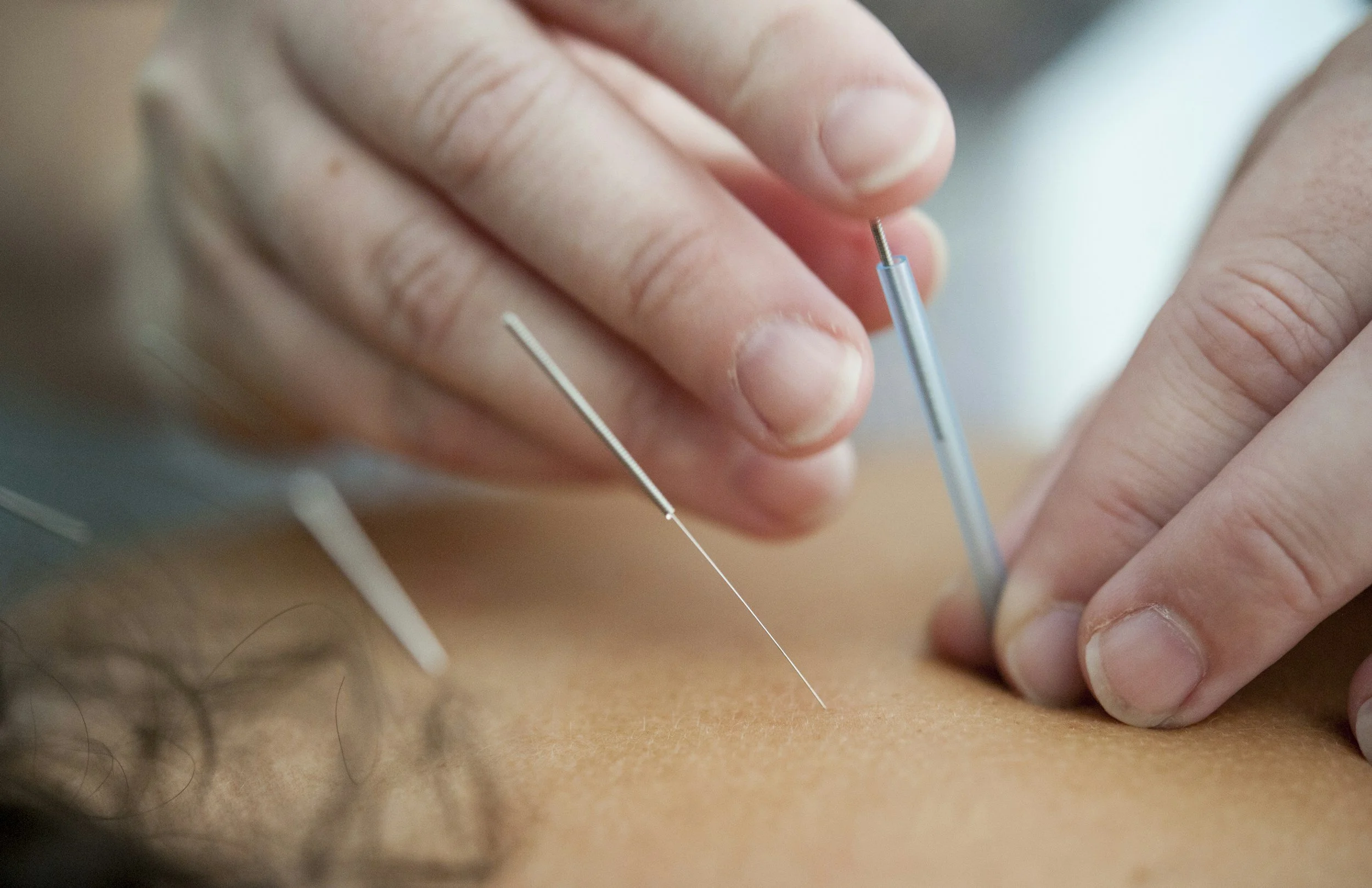
Researchers at the renowned cancer centre, Memorial Sloan Kettering Cancer Center (MSK), conducted a large clinical trial involving patients living with advanced cancer. Participants received either acupuncture or massage therapy and were followed for six months. The findings were encouraging. Both therapies produced clinically meaningful reductions in pain while also improving associated symptoms such as fatigue, sleep disturbance, and overall physical wellbeing. Perhaps most notably, many participants were able to reduce their reliance on pain medications over the course of the study. These results reinforce what many integrative oncology clinicians have observed in practice: Supporting quality of life can be just as important as treating disease.
The Integrative Oncology Approach
One aspect of this study that I find particularly meaningful is its emphasis on consistency. Patients did not receive a single treatment and hope for change.
Instead, they participated in a structured program that included:
Weekly treatments during the initial phase of care
Ongoing maintenance sessions to support longer-term outcomes
Regular follow-up over six months
This reflects an important principle in both modern rehabilitation and traditional medicine:
Healing is rarely a single event. It is a process.
The Traditional Medicine Perspective: Supporting Zheng Qi
In Traditional Chinese Medicine, the period following cancer treatment is often viewed as a time of restoration and recovery. While modern oncology treatments are essential for targeting cancer cells, the body may also require support as it rebuilds strength and resilience afterward. One classical concept used to describe this process is Zheng Qi (正氣), often translated as "upright qi" or "vital integrity." Zheng Qi refers to the body's capacity to regulate itself, maintain internal balance, adapt to challenges, and support recovery. From this perspective, survivorship care is not only about what has been removed from the body. It is also about what needs to be restored. The focus shifts from fighting disease toward rebuilding vitality.
Cancer Survivorship as a Journey of Renewal
Cancer survivorship begins at diagnosis and continues throughout life. For some, it is a period of recovery after treatment. For others, it is the ongoing experience of living with cancer while maintaining the best possible quality of life. Each journey is different. What remains universal is the need for compassionate, evidence-based support that addresses the whole person — physically, emotionally, and mentally. Integrative oncology seeks to meet that need by combining contemporary research with patient-centred care, helping individuals move beyond symptom management toward greater comfort, resilience, and wellbeing.
The goal of survivorship
care is not simply to survive.
It is to live as fully as possible.
Whether through acupuncture, lifestyle support, nutrition, restorative practices,
or conventional medical care, every step that improves comfort, restores function,
and supports vitality matters.
The growing field of integrative oncology offers a hopeful reminder that healing
extends beyond the treatment of disease. It also includes the restoration of quality of life,
dignity, and wellbeing throughout every stage of the cancer journey.
